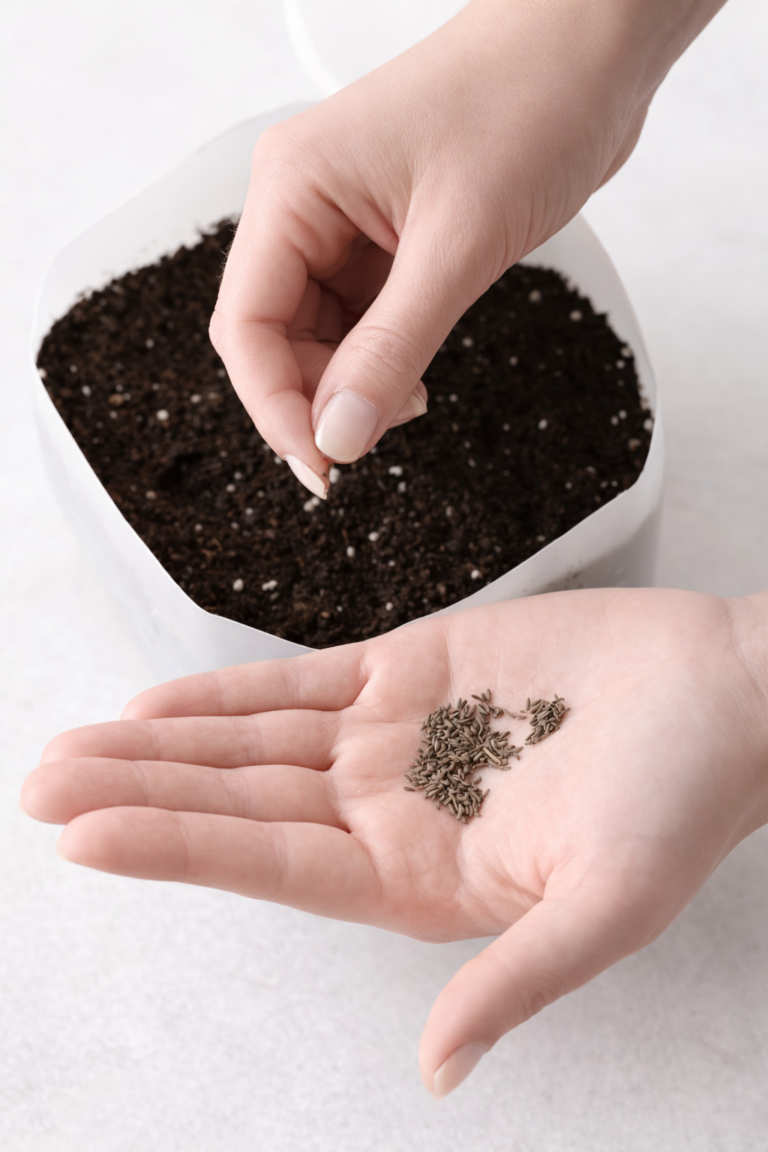
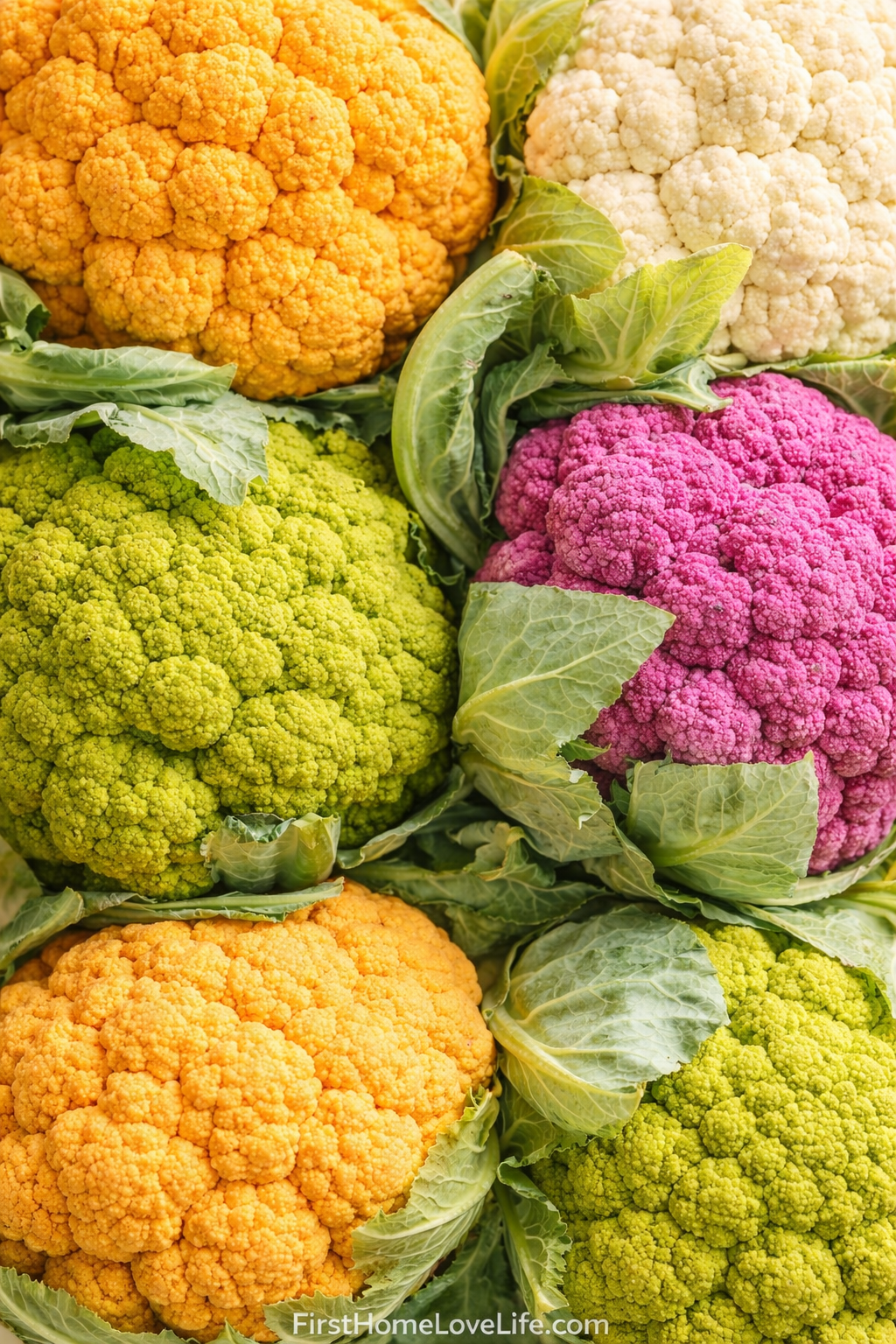
Cauliflower might look like a tricky vegetable to grow, but with the right timing and care, it’s one of the most rewarding cool-season crops for the home garden. From creamy white heads to colorful purple and orange varieties, cauliflower thrives when temperatures are mild and soil is rich. If you’ve ever struggled with small heads or plants that never formed at all, this guide will show you exactly how to grow cauliflower successfully—from seed to harvest.
Why Grow Cauliflower at Home?
Homegrown cauliflower is fresher, sweeter, and more versatile than store-bought. Plus, you can grow varieties you’ll rarely find at the grocery store.
Benefits of growing cauliflower:
- Thrives in cool weather
- Nutrient-rich (vitamin C, fiber, antioxidants)
- Grows well in raised beds
- Perfect for roasting, mashing, soups, and grain-free recipes
When to Plant Cauliflower
Cauliflower is a cool-season vegetable that prefers steady temperatures.
- Spring planting: Start seeds indoors 6–8 weeks before your last frost date. Transplant outdoors 2–3 weeks before the last frost.
- Fall planting (recommended): Start seeds in mid-summer and transplant 8–10 weeks before your first frost.
👉 Fall-grown cauliflower often produces larger, better-quality heads because it matures in cooler weather.
Where to Grow Cauliflower
Choose a location with:
- Full sun (6–8 hours per day)
- Consistent airflow
- Well-draining, fertile soil
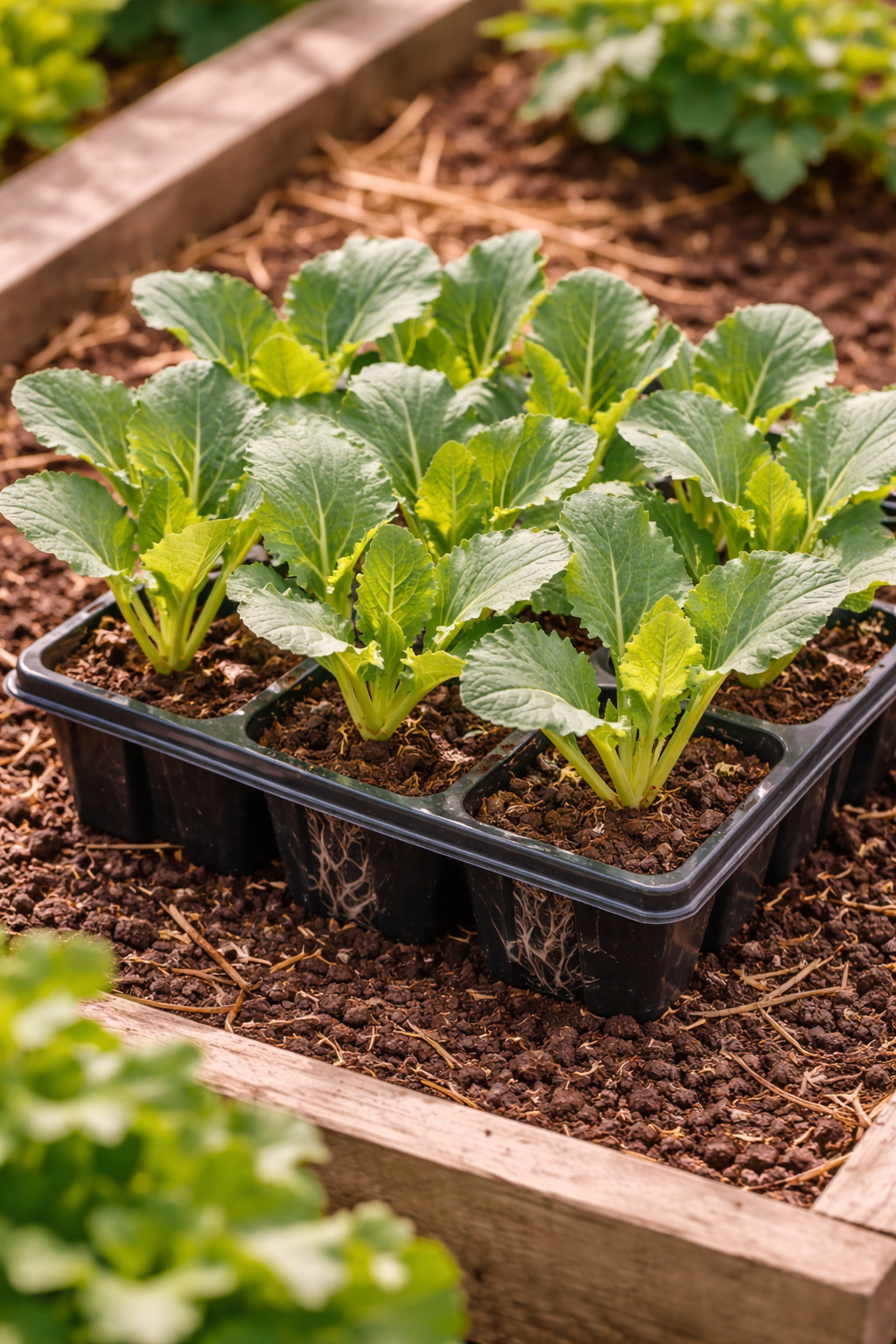
Cauliflower performs especially well in raised beds, where soil quality and moisture are easier to control.
Soil Preparation for Cauliflower
Cauliflower is a heavy feeder and needs rich soil to form tight heads.
Ideal soil conditions:
- pH between 6.5–7.0
- High organic matter
- Loose, moisture-retentive soil
Before planting, amend soil with:
- Finished compost
- A balanced organic fertilizer
- Worm castings or aged manure
How to Plant Cauliflower
- Space plants 18–24 inches apart
- Plant seedlings deep, up to the first true leaves
- Water thoroughly after transplanting
Apply mulch (straw, shredded leaves, or compost) to:
- Keep roots cool
- Maintain even moisture
- Reduce weeds
Watering & Feeding Cauliflower
Consistent moisture is critical for cauliflower success.
- Water 1–1.5 inches per week
- Never allow soil to fully dry out
- Feed every 2–3 weeks with:
- Compost tea
- Fish emulsion
- Balanced vegetable fertilizer
Irregular watering or nutrient stress can cause small or misshapen heads.
Best Companion Plants for Cauliflower
Planting the right companions near cauliflower helps reduce pests, improve soil health, and support strong, even growth. Cauliflower is a cool-season, heavy-feeding crop, so it does best with neighbors that don’t compete for nutrients and can deter common garden pests.
🌱 Best Companion Plants
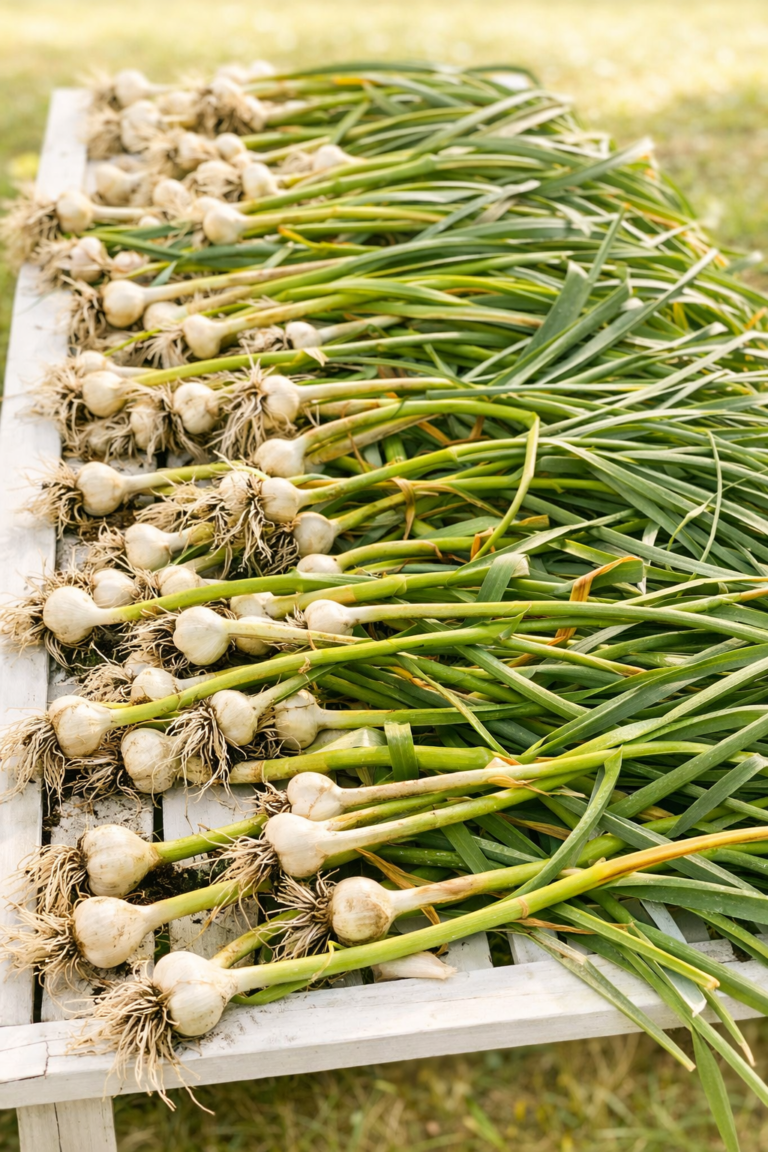
- Alliums: onions, garlic, leeks, chives
Help repel aphids, cabbage worms, and flea beetles. - Leafy greens: lettuce, spinach, Swiss chard
Grow quickly and won’t compete with cauliflower’s root system. - Herbs: dill, thyme, rosemary, sage
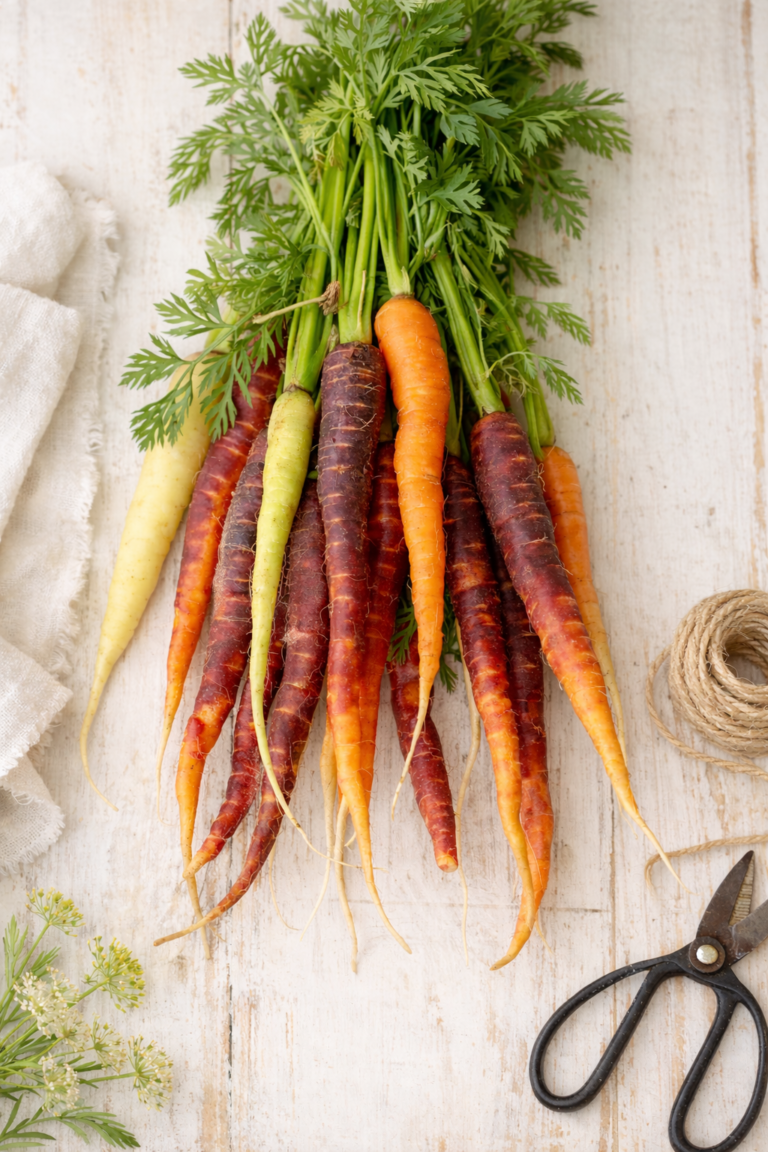
Attract beneficial insects and help confuse pests. - Root crops: carrots, beets, radishes
Use space below the soil without crowding cauliflower plants. - Legumes: bush beans, peas
Improve soil nitrogen when spaced properly.
🚫 Plants to Avoid
Avoid planting cauliflower near tomatoes, peppers, eggplant, strawberries, or pole beans, which compete heavily for nutrients or attract similar pests.
Companion planting keeps cauliflower healthier, reduces pest pressure naturally, and supports better head formation throughout the growing season.
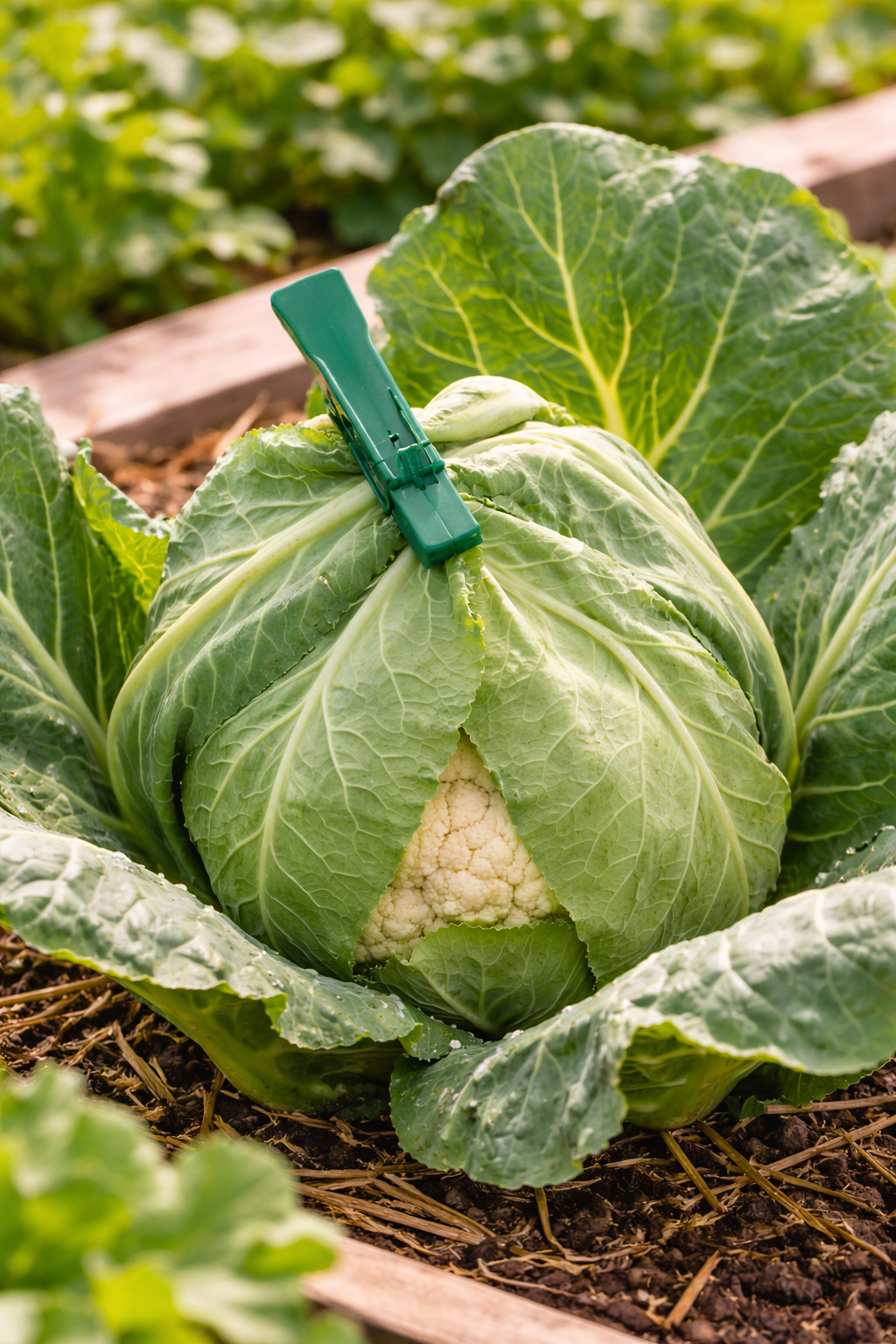
Blanching Cauliflower (Very Important)
To keep white cauliflower heads from turning yellow or bitter, blanching is often required.
How to blanch cauliflower:
- When heads are 2–3 inches wide, gently fold outer leaves over the head
- Secure with twine or a soft clip
- Leave covered until harvest
👉 Self-blanching varieties may not require this step.
Common Cauliflower Pests & Problems
Common issues include:
- Cabbage worms
- Aphids
- Flea beetles
- Heads failing to form (due to heat or stress)
Organic solutions:
- Use insect netting
- Hand-pick caterpillars
- Apply neem oil as needed
Healthy soil and steady watering prevent most problems.
When & How to Harvest Cauliflower
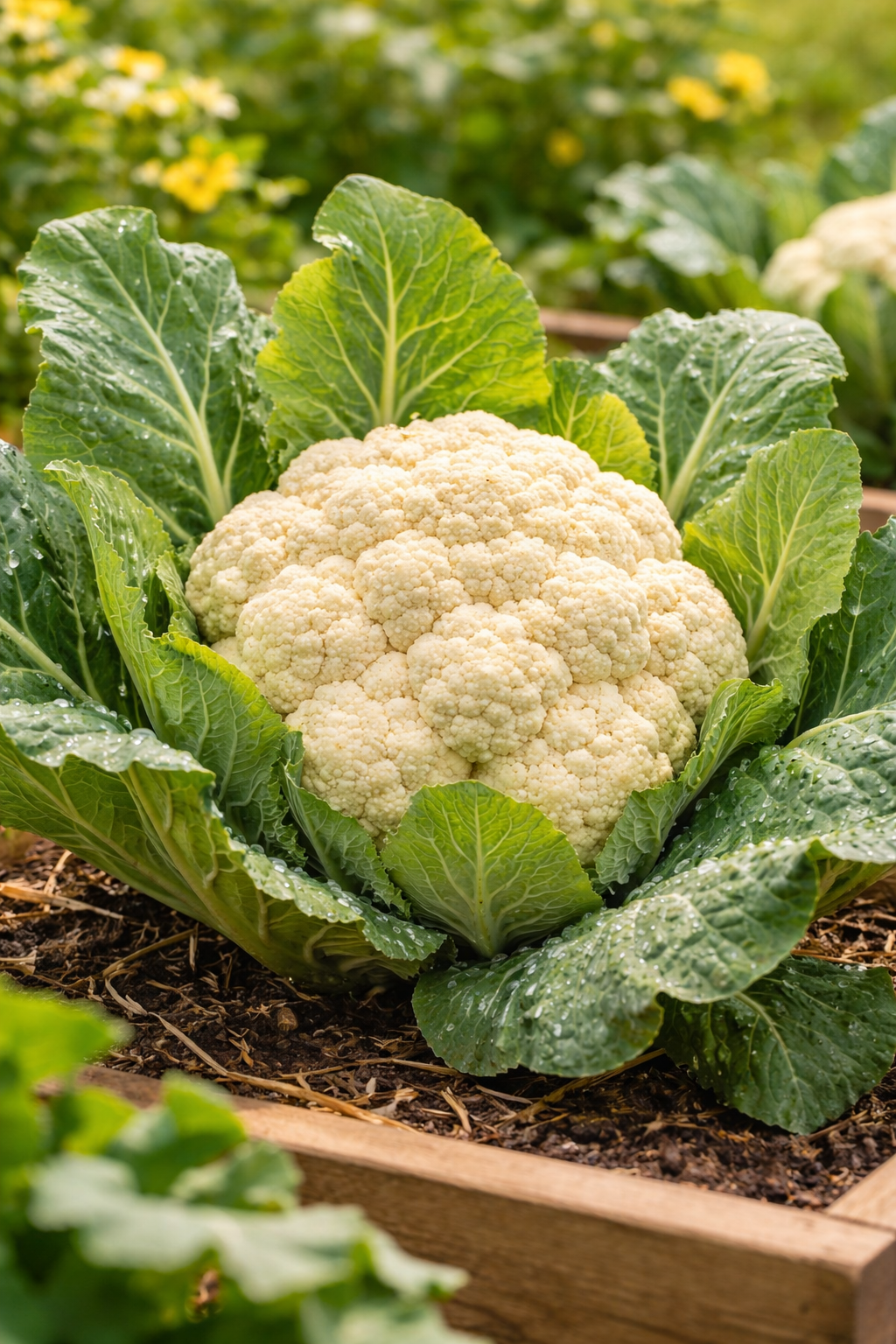
Harvest when the head is:
- Firm and compact
- 6–8 inches wide
- Still tightly closed
Cut the head at the base with a sharp knife, leaving outer leaves attached for protection.
⚠️ Unlike broccoli, cauliflower does not regrow side shoots after harvest.
Can You Grow Cauliflower in Containers?
Yes—with the right setup.
- Use containers at least 16–18 inches deep
- Choose compact or mini varieties
- Water and fertilize more frequently
Containers are ideal for patios and small-space gardens.
Tips for Growing Better Cauliflower
- Plant for fall harvest whenever possible
- Keep soil consistently moist
- Use mulch to regulate soil temperature
- Avoid heat stress at all costs
- Feed regularly
Growing cauliflower at home is all about timing, patience, and consistency. With cool temperatures, rich soil, and even moisture, you can harvest beautiful, dense heads that rival anything from the store. Whether you’re growing cauliflower in raised beds, containers, or a backyard garden, mastering this cool-season crop opens the door to a more productive and rewarding growing season.