If you live in a cold climate, winter sowing might just become your favorite gardening method. Instead of setting up grow lights and heat mats indoors, you can start seeds outside in mini greenhouses — even while snow is still on the ground.
Winter sowing is low-cost, low-maintenance, and incredibly effective. Here’s everything you need to know to grow strong, hardy seedlings the simple way.
What Is Winter Sowing?
Winter sowing is a seed-starting method where you plant seeds in small, recycled containers (like milk jugs) and place them outside during winter. The containers act as miniature greenhouses, protecting seeds while exposing them to natural cold and moisture.
Seeds germinate at the right time naturally — no hardening off required.
🌨️ Why Winter Sowing Works So Well in Zone 5
Because you’re in a cold winter climate, winter sowing mimics nature perfectly. Snow and freezing temperatures actually help many seeds break dormancy. When spring temperatures rise, seeds sprout at just the right time.
Benefits include:
- No grow lights needed
- No indoor mess
- Stronger, stockier seedlings
- No hardening off
- Saves money on seed-starting supplies
What You Need to Start Winter Sowing
Supplies:
- Translucent milk jugs or clear plastic containers
- Potting soil (not garden soil)
- Seeds
- Duct tape
- Permanent marker
- Knife or scissors
- Water
How to Winter Sow (Step-by-Step)
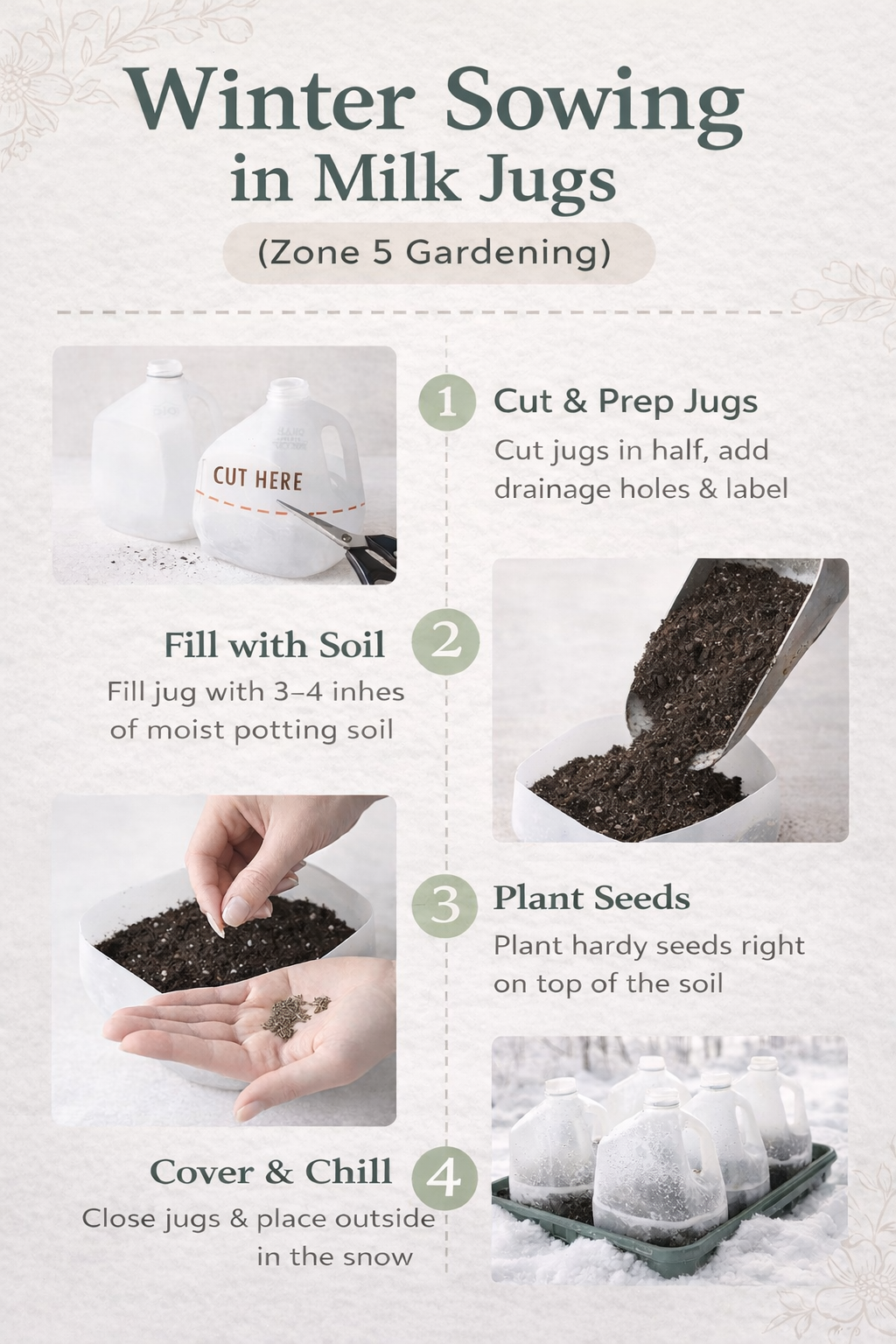
1. Prepare the Containers
Cut your milk jug almost all the way around, leaving a hinge near the handle. Poke drainage holes in the bottom.
2. Add Soil
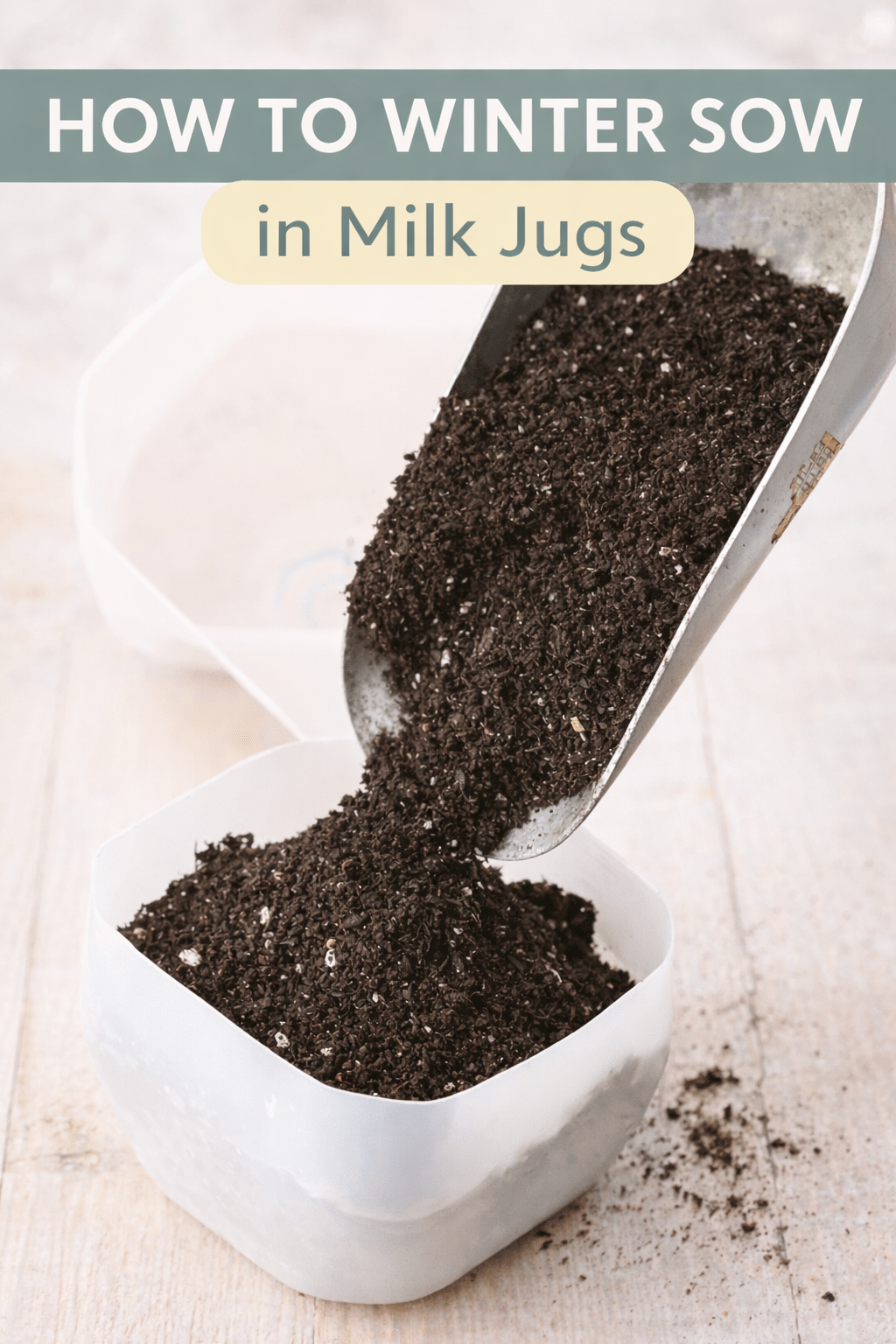
Fill with 3–4 inches of moist potting mix.
3. Plant Seeds
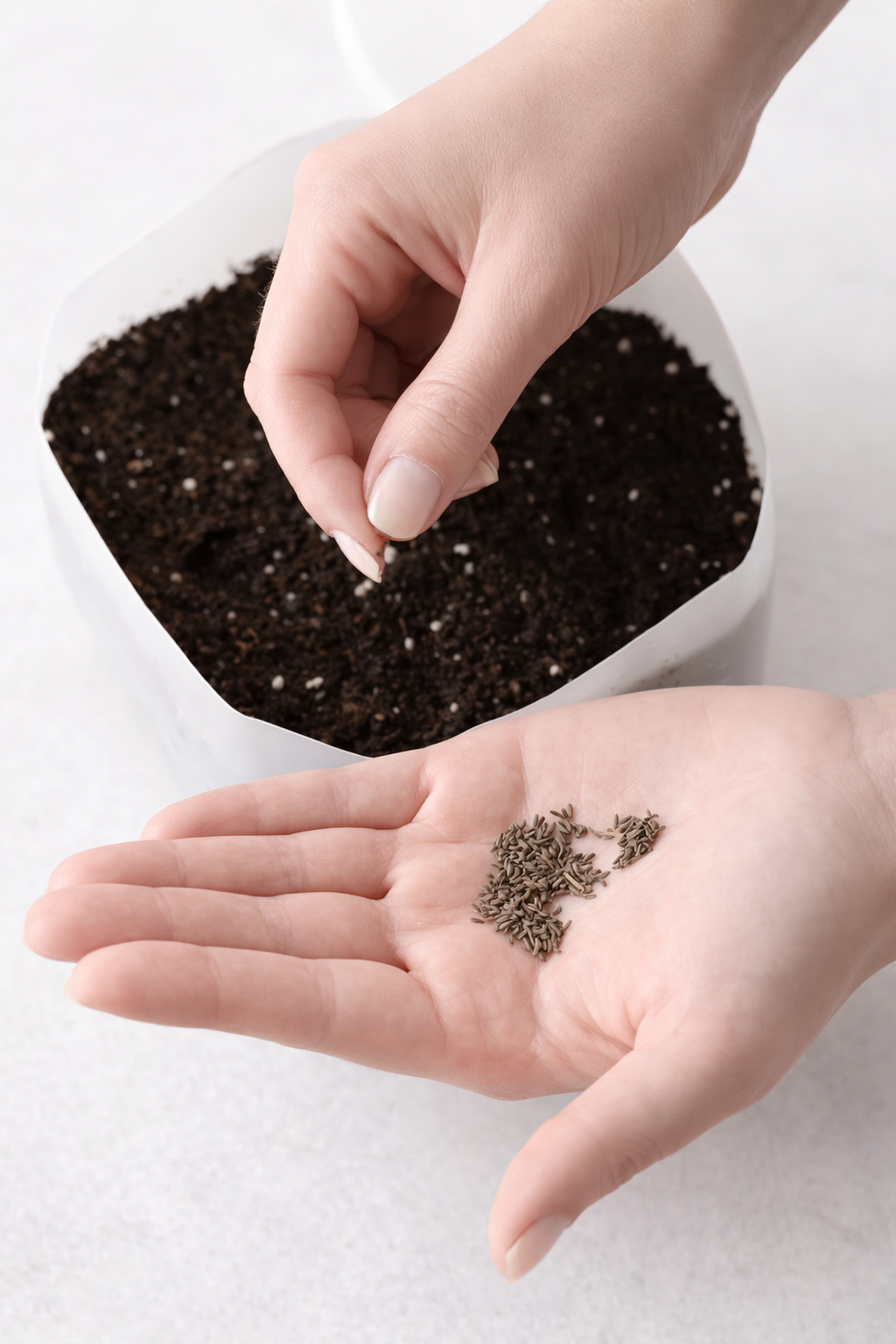
Sow seeds according to packet depth instructions. Lightly cover.
4. Label Clearly
Use permanent marker on the jug and add a plant tag inside.
5. Seal and Set Outside
Tape the jug closed and remove the cap (this allows ventilation). Place outside in a sunny area exposed to snow and rain.
That’s it. Nature does the rest.
🌱 Best Seeds for Winter Sowing
- Zinnias
- Cosmos
- Snapdragons
- Echinacea
- Black-eyed Susans
Vegetables
- Kale
- Spinach
- Lettuce
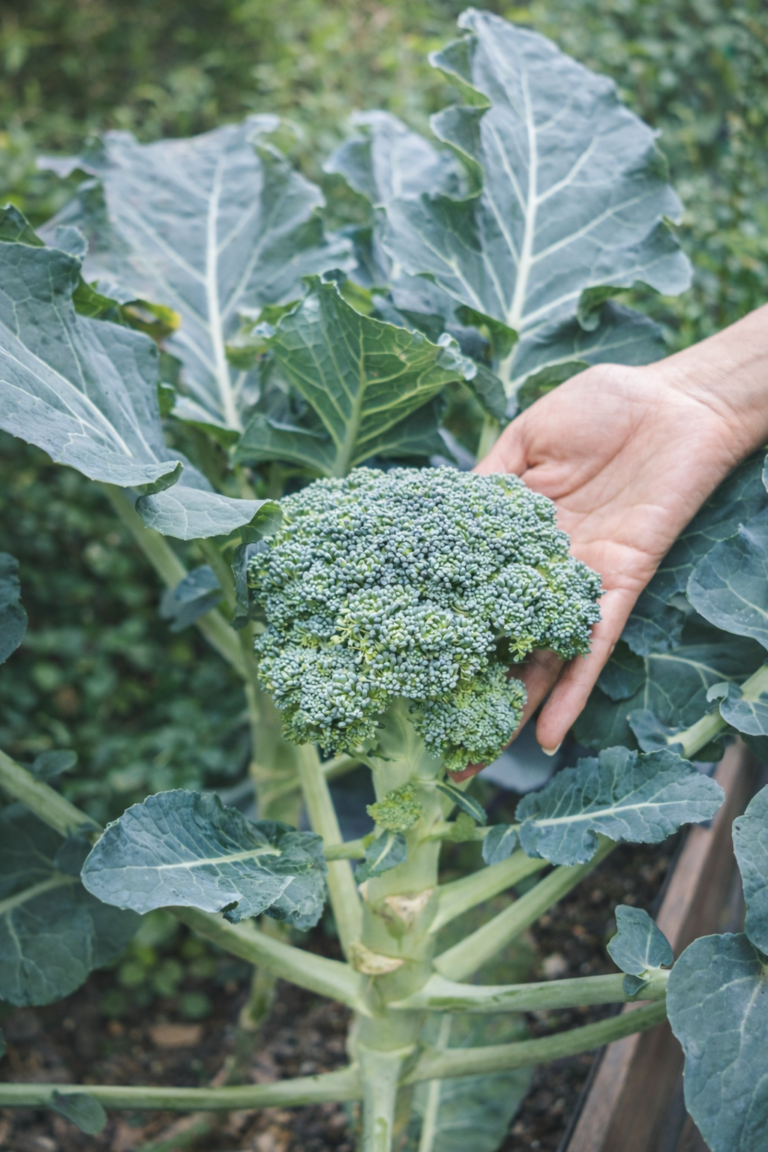
- Broccoli
- Cabbage
Cold-hardy annuals and perennials perform best.
When to Start Winter Sowing
In Zone 5:
- January–February: Perennials and cold-hardy greens
- March: Hardy annuals and brassicas
- April: Tender annuals
You can stagger sowing for continuous planting success.
Where to Place Your Containers
Set jugs in an area that:
- Gets sun
- Is exposed to natural precipitation
- Won’t flood
Snow is not a problem — it insulates your seeds.
What Happens in Spring?
As temperatures warm:
- Condensation forms inside the jug
- Seeds germinate naturally
- Seedlings grow strong and compact
Once seedlings outgrow the container (usually April–May), transplant directly into the garden — no hardening off needed.
Common Winter Sowing Mistakes to Avoid
- Using garden soil instead of potting mix
- Forgetting drainage holes
- Overwatering before sealing
- Not labeling containers
Is Winter Sowing Better Than Indoor Seed Starting?
For busy gardeners, absolutely. It requires less equipment and produces tougher plants. If you’ve struggled with leggy seedlings indoors, this method is a game-changer.
Final Thoughts: Why You Should Try Winter Sowing This Year
If you’re planning your spring garden — especially with raised beds — winter sowing is an easy way to get ahead without investing in expensive setups.
It’s sustainable, simple, and surprisingly fun to check on those little greenhouse jugs poking out of the snow.
Once you try it, you’ll likely make it part of your gardening routine every year.