If you’re looking for a hardy, low-maintenance perennial that comes back year after year, rhubarb deserves a spot in your garden. Once established, it can produce for 10–20 years with very little effort. Even better? It thrives in cold climates — perfect for gardeners in Zone 5 (like Upstate New York).
Here’s everything you need to know about growing rhubarb successfully.
What Is Rhubarb?
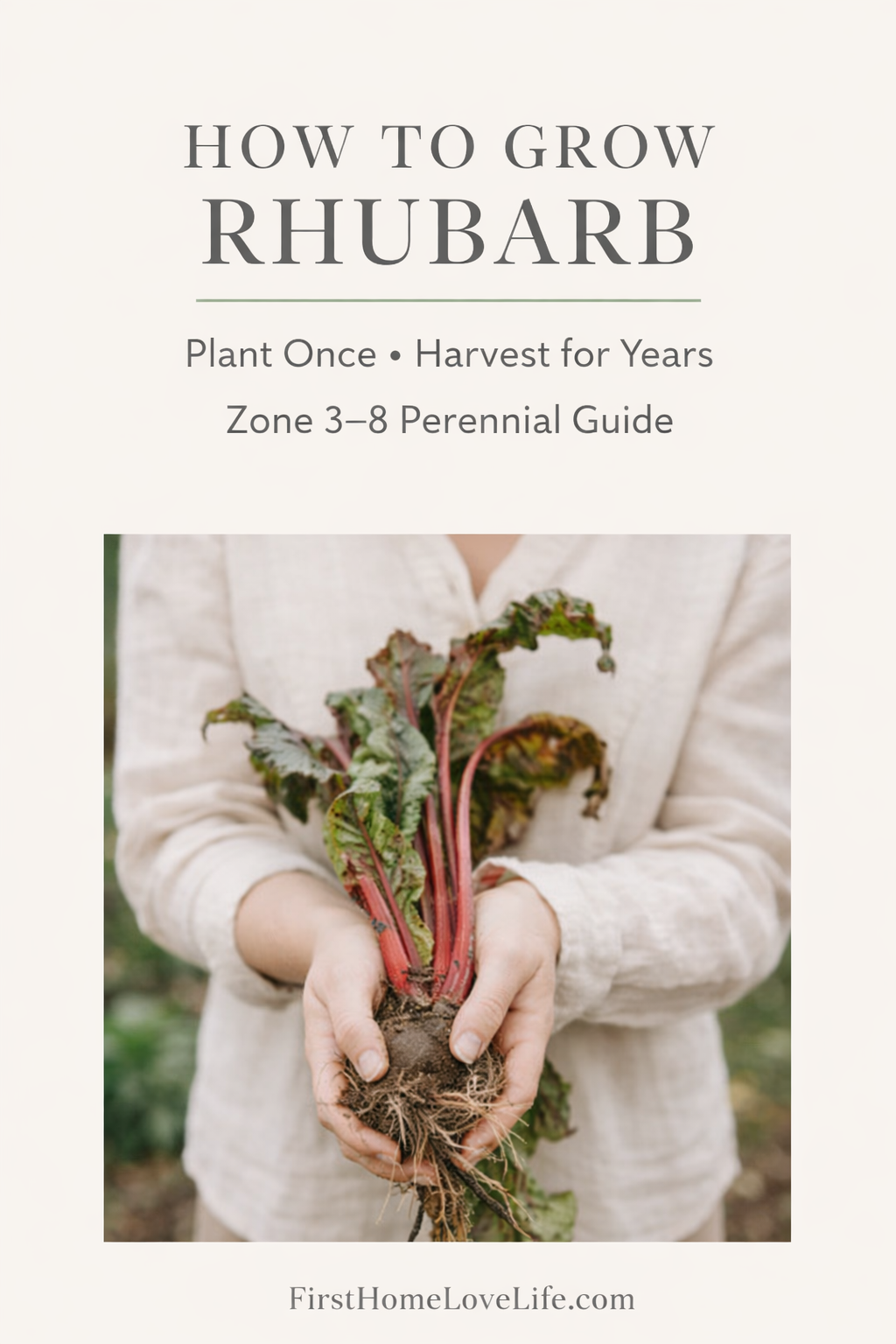
Rhubarb is a cold-hardy perennial grown for its tart, colorful stalks. The stalks are edible, but the leaves are toxic and should never be eaten.
Rhubarb is often used in:
- Pies
- Crisps
- Jam
- Sauces
- Syrups
- Freezer preserves
Why Grow Rhubarb?
- Extremely cold hardy (Zone 3–8)
- Perennial — comes back every spring
- Pest resistant
- Early harvest (May–June in colder climates)
- Great for preserving
For northern growers, rhubarb is one of the first fresh harvests of the season.
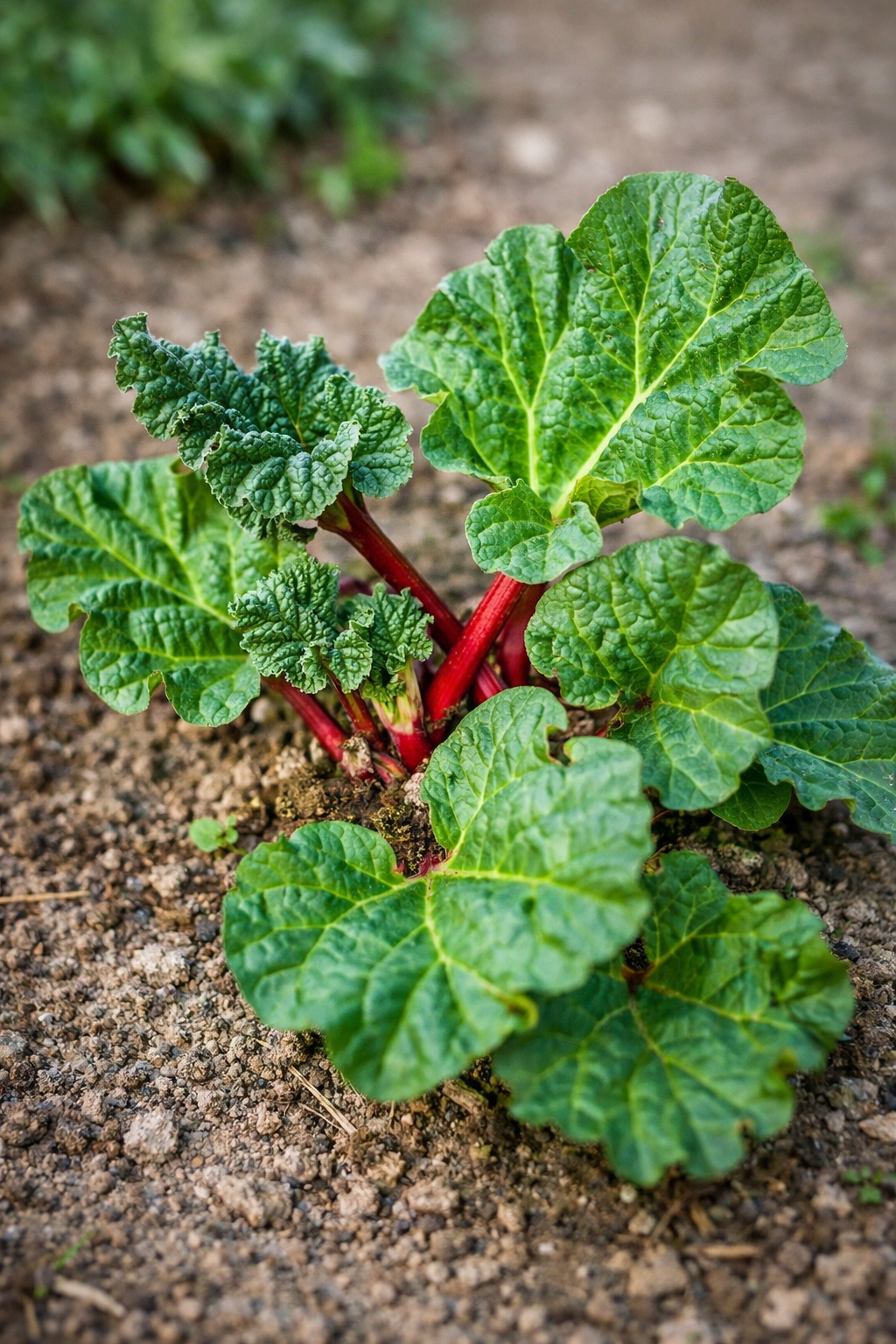
Best Growing Conditions
Sun
Full sun (6+ hours daily) is best. It will tolerate light shade, but production may decrease.
Soil
- Rich, well-draining soil
- High in organic matter
- pH between 6.0–6.8
Mix in compost or aged manure before planting.
Space
Rhubarb plants get large. Space crowns:
- 3–4 feet apart
- Rows 4–5 feet apart
They can easily reach 3–4 feet wide.
How to Plant Rhubarb
Planting from Crowns (Recommended)
- Plant in early spring when soil is workable.
- Dig a hole 12–18 inches wide and deep.
- Mix compost into the soil.
- Set the crown so buds sit 1–2 inches below the soil surface.
- Water well.
- Mulch lightly.
Do not harvest the first year. Let the plant establish strong roots.
Watering & Feeding
- Keep soil evenly moist, especially in the first year.
- Apply compost each spring.
- A side dressing of aged manure in fall helps boost next season’s growth.
Rhubarb is a heavy feeder — rich soil equals thick, vibrant stalks.
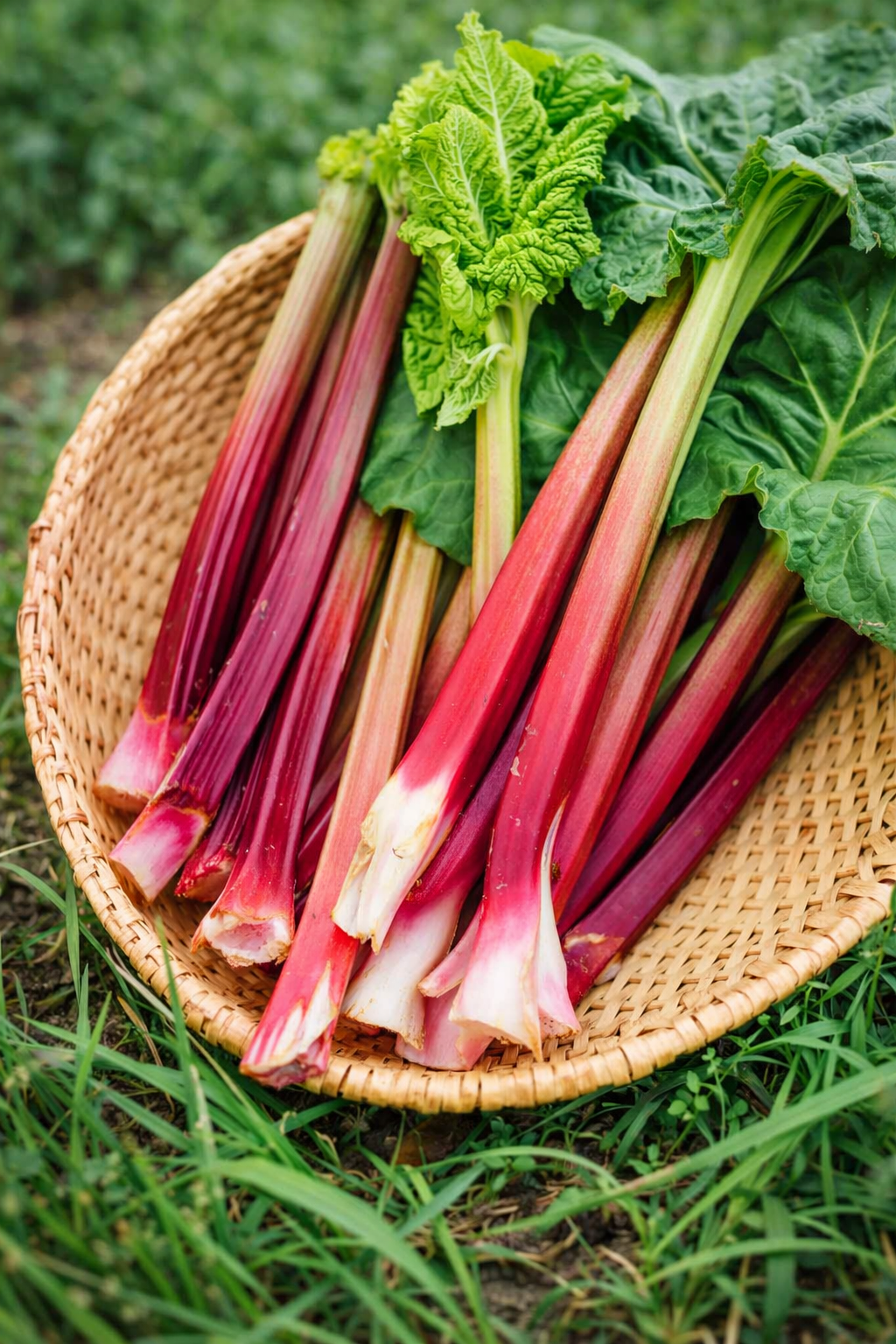
When & How to Harvest
- Begin harvesting in year 2 (light harvest).
- Full harvest in year 3.
- Harvest when stalks are 10–15 inches long.
- Twist and pull stalks at the base — don’t cut if possible.
Never remove more than one-third of the plant at a time.
Stop harvesting by mid-summer to allow the plant to rebuild energy.
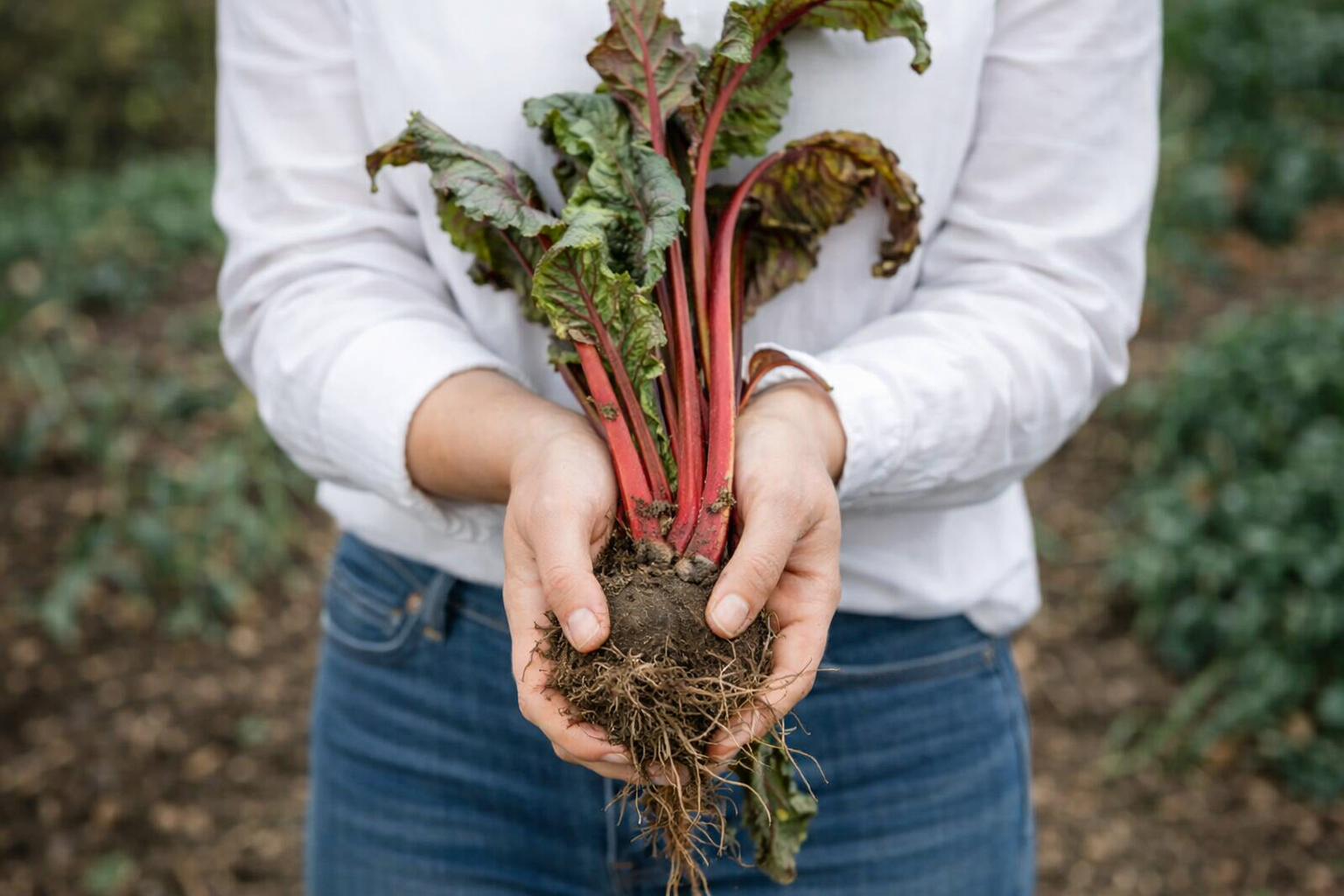
Dividing Rhubarb
After 5–8 years, plants may slow production.
To divide:
- Dig up the crown in early spring.
- Cut into sections with at least one strong bud.
- Replant immediately.
Dividing rejuvenates older plants.
Common Problems
- Crown rot (from poor drainage)
- Weak stalks (from over-harvesting)
- Seed stalks (cut them off to redirect energy)
Overall, rhubarb is extremely low maintenance.
Winter Care
In colder climates:
- After frost, cut back dead leaves.
- Mulch with straw or compost.
- Remove mulch in early spring.
Rhubarb thrives after cold winters — it actually requires chilling hours.
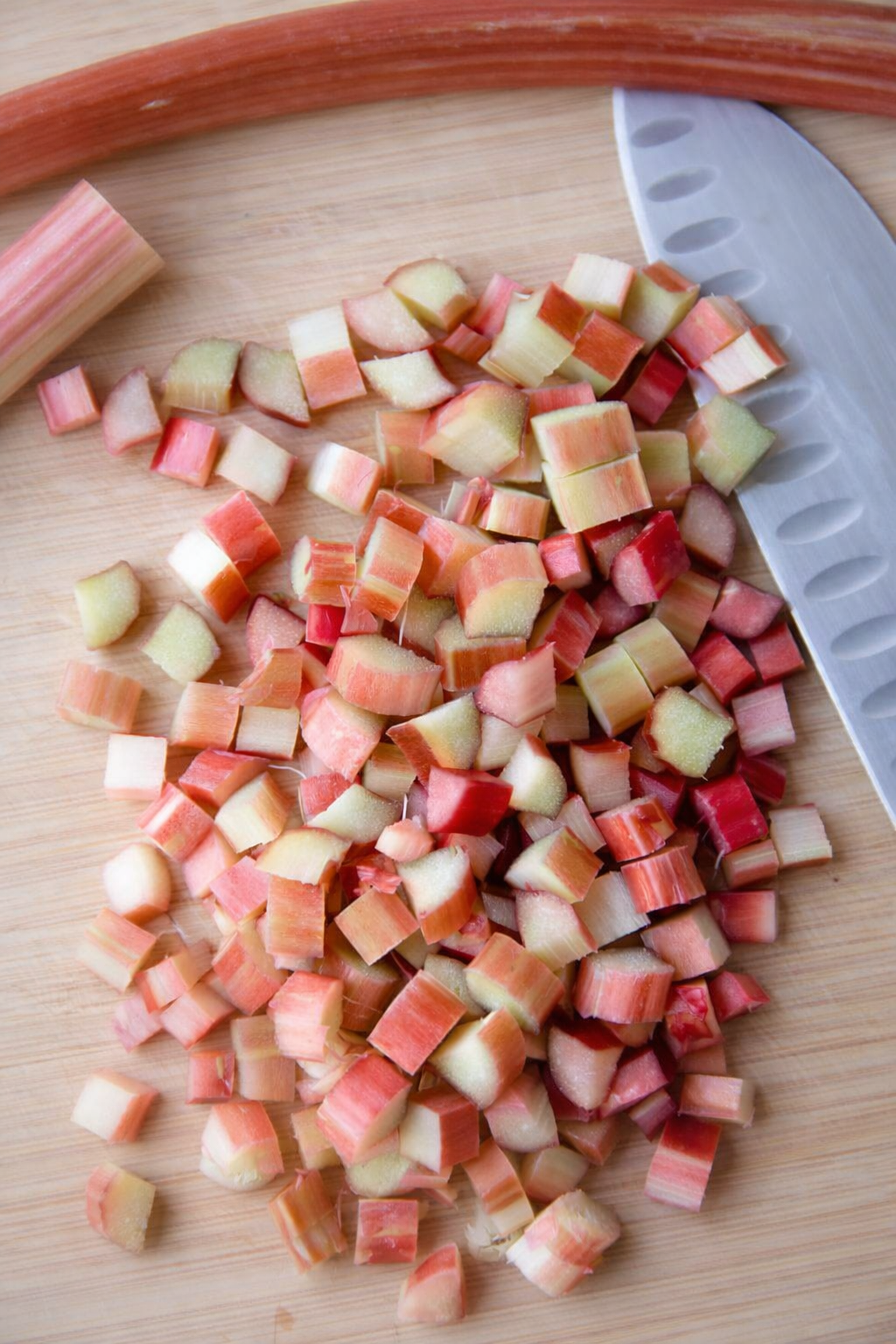
How to Preserve Rhubarb
Rhubarb freezes beautifully:
- Chop raw stalks.
- Freeze on a tray.
- Transfer to freezer bags.
You can also make:
- Rhubarb jam
- Rhubarb syrup
- Rhubarb compote
- Canned pie filling
Growing Rhubarb in Raised Beds
Since you’re planning raised beds, rhubarb can absolutely grow in one — just dedicate a permanent corner since it won’t need rotating.
Use:
- Deep beds (at least 18 inches)
- Rich compost-heavy soil
- Plenty of space
It pairs well with strawberries for a classic “pie garden.”
Final Thoughts
Rhubarb is one of the easiest long-term crops you can plant. Once established, it produces dependable harvests every spring for years with very little care.
If you’re gardening in a colder region, it’s practically a must-have perennial.