When the snow melts and the first hints of green begin to appear, it’s the perfect time to start early spring garden cleanup. After months of cold weather, your garden beds, lawn, and landscaping need a little attention to wake up for the growing season.
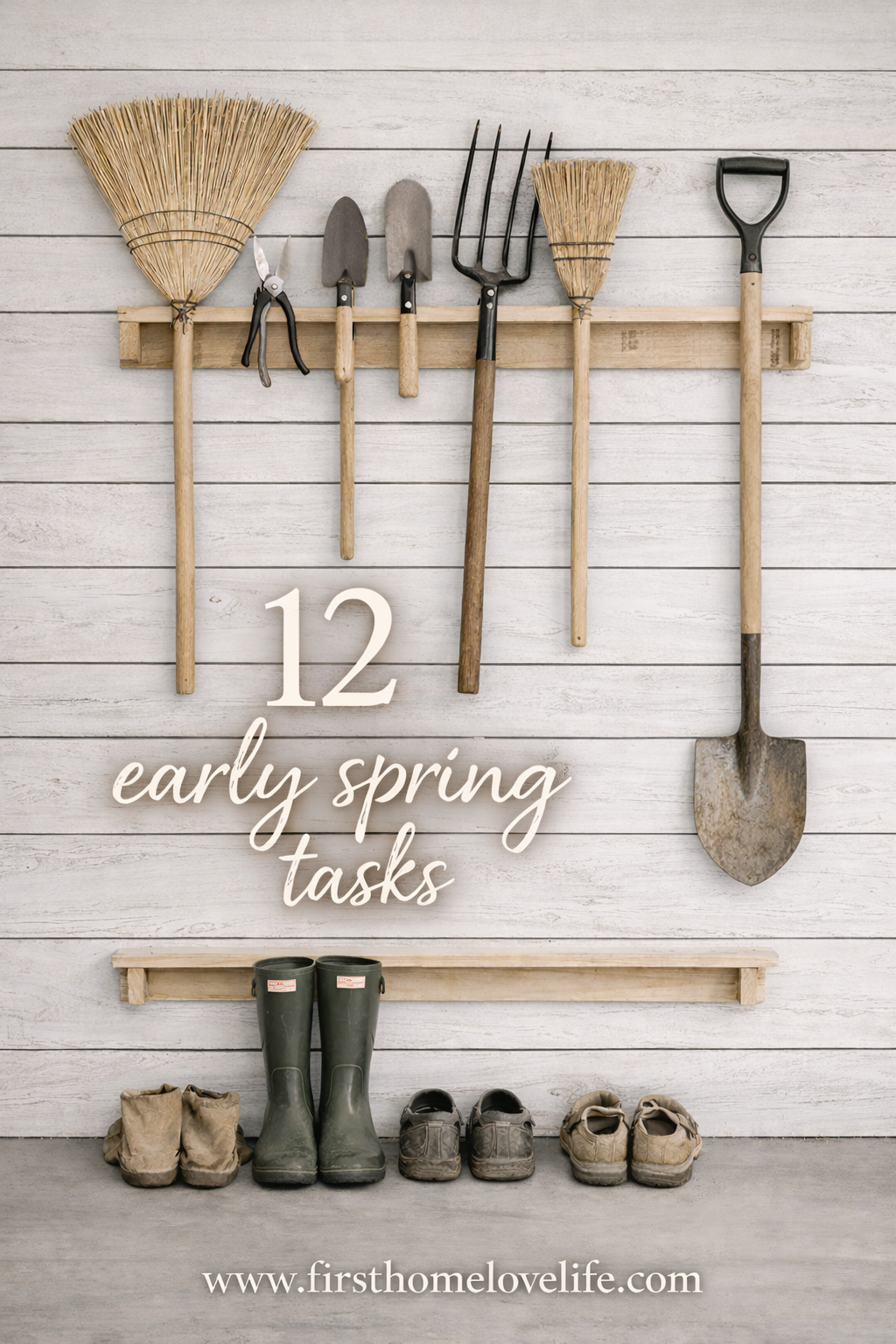
Early spring is one of the most important times of year for gardeners. A few simple tasks now can lead to healthier plants, fewer weeds, and a more productive garden all season long.
Whether you have a large backyard garden, raised beds, or a small homestead garden like many of us here in Zone 5, these early spring garden chores will help you reset your outdoor space and prepare for planting season.
Why Early Spring Garden Cleanup Matters
Winter leaves behind fallen branches, soggy leaves, and compacted soil. Cleaning up the garden early helps:
- Prevent pests and plant diseases
- Allow sunlight to warm the soil faster
- Encourage healthy plant growth
- Prepare garden beds for spring planting
- Improve the overall look of your yard
If you live in colder climates like Upstate New York, waiting until temperatures consistently stay above freezing is ideal before starting heavy garden work.
12 Early Spring Garden Cleanup Tasks
1. Walk Your Yard and Assess Winter Damage
Before jumping into work, take a slow walk around your property.
Look for:
- Broken tree limbs
- Winter damage to shrubs
- Areas where mulch has washed away
- Raised beds that shifted from frost heaving
- Fencing or trellises that need repair
This quick walk gives you a clear idea of what needs attention first.
2. Remove Debris From Garden Beds
Winter storms leave behind a surprising amount of debris.
Start by removing:
- Fallen branches
- Dead plant stalks
- Matted leaves
- Old annual plants
Leaving this debris can invite pests and fungal diseases later in the season.
However, if you practice wildlife-friendly gardening, leave some stems until temperatures consistently stay above 50°F to protect beneficial insects.
3. Cut Back Perennials
Many perennials should be cut back in early spring before new growth begins.
Plants commonly trimmed back include:
- Ornamental grasses
- Bee balm
- Black-eyed Susan
- Coneflowers
- Russian sage
- Sedum
Use clean pruning shears and cut stems down to a few inches above the soil.
4. Clean and Prepare Raised Garden Beds
Raised beds need attention before planting season.
Tasks include:
- Removing weeds
- Fluffing compacted soil
- Adding fresh compost
- Repairing damaged boards
If you use 4×8 raised beds, early spring is the perfect time to top them off with a layer of compost and organic fertilizer.
This improves soil structure and gives your plants nutrients right from the start.
5. Edge Garden Beds
One of the fastest ways to make your garden look tidy is by redefining the edges.
Use a sharp spade to create a clean border between:
- Lawn and garden beds
- Walkways and planting areas
- Flower beds and mulch beds
This simple step instantly improves the appearance of your yard.
6. Prune Trees and Shrubs
Early spring is ideal for pruning many trees and shrubs before leaves appear.
Focus on removing:
- Dead branches
- Diseased wood
- Crossing branches
- Storm damage
Avoid pruning spring-flowering shrubs like lilacs or hydrangeas that bloom on old wood until after they flower.
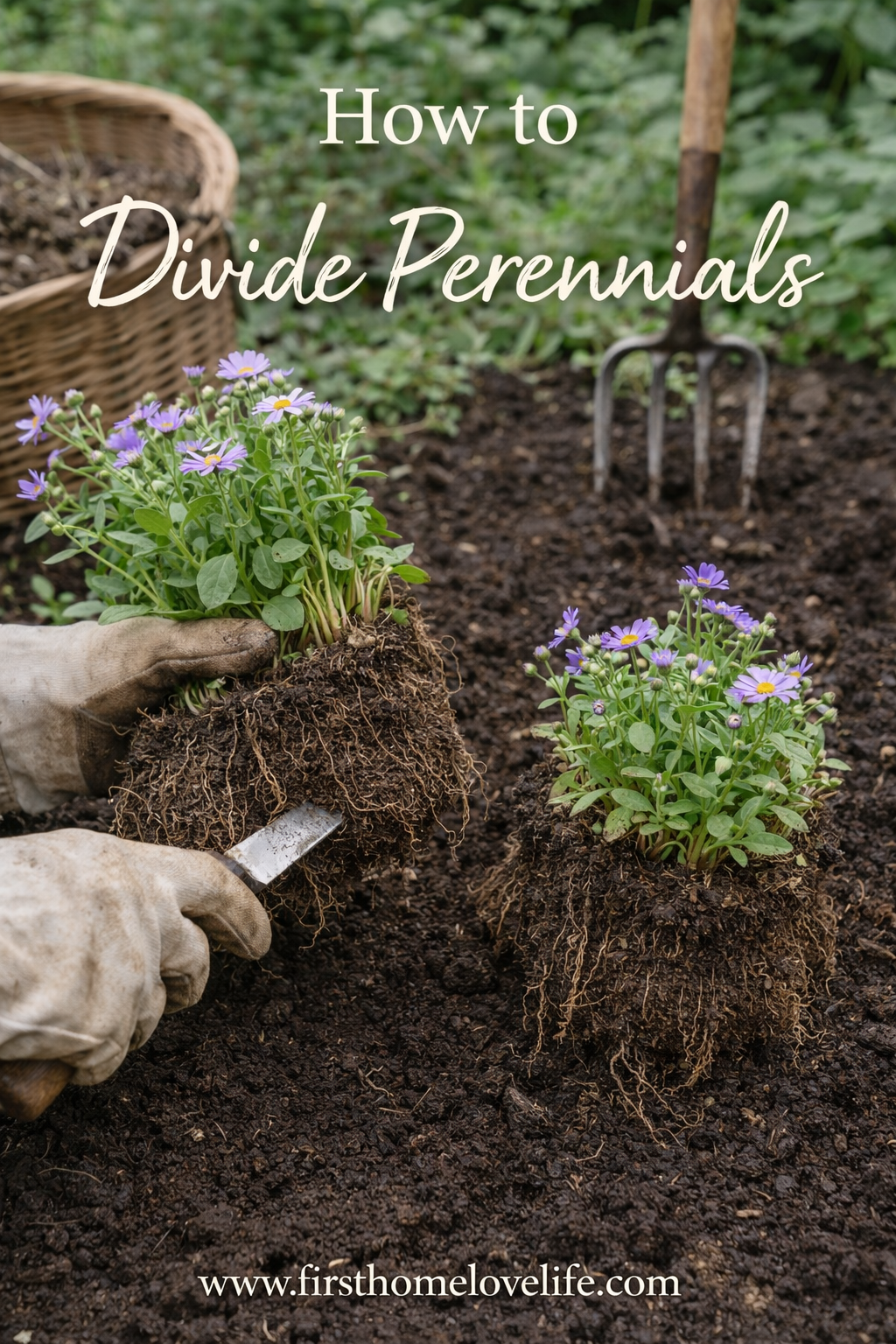
7. Divide Overgrown Perennials
Some perennials benefit from dividing every few years.
Good candidates include:
- Hostas
- Daylilies
- Shasta daisies
- Phlox
- Ornamental grasses
Dividing plants improves airflow, encourages stronger blooms, and gives you free plants for other parts of your garden.
8. Refresh Mulch
Mulch breaks down over the winter and needs replenishing.
Benefits of fresh mulch include:
- Weed suppression
- Moisture retention
- Soil temperature regulation
- Improved soil health
Apply a 2–3 inch layer around plants, but keep mulch a few inches away from stems to prevent rot.
9. Test Your Garden Soil
Early spring is a great time to test soil before planting.
A simple soil test tells you:
- Soil pH
- Nutrient levels
- Organic matter content
This helps determine whether you need lime, compost, or fertilizer before planting vegetables.
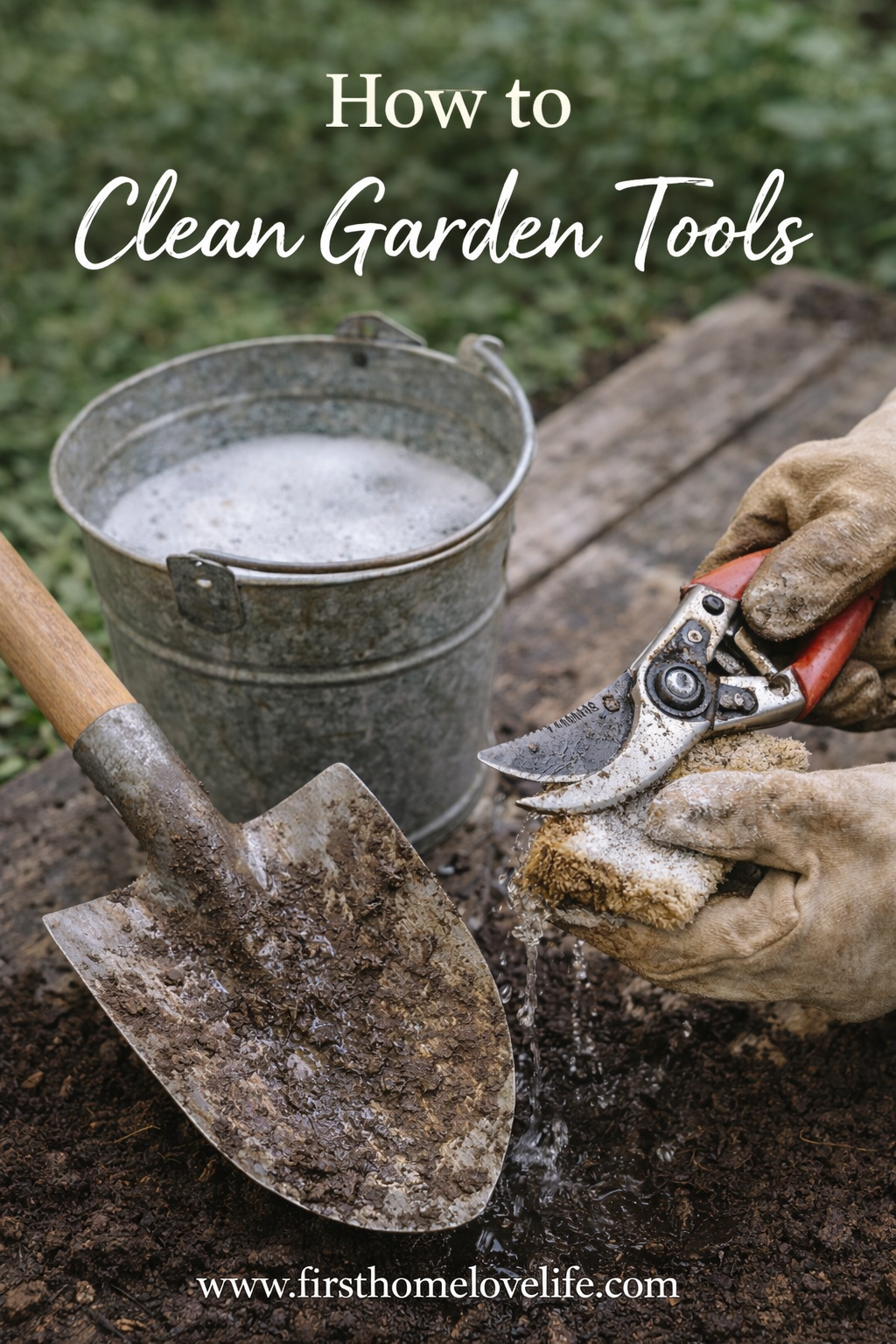
10. Clean Garden Tools
Before the busy growing season begins, clean and sharpen your tools.
Important tools to maintain include:
- Pruners
- Shovels
- Hoes
- Garden forks
- Hand trowels
Wipe tools with rubbing alcohol to disinfect them and prevent spreading plant diseases.
11. Start Seeds and Prepare Planting Areas
Once your garden is cleaned up, it’s time to start preparing for planting.
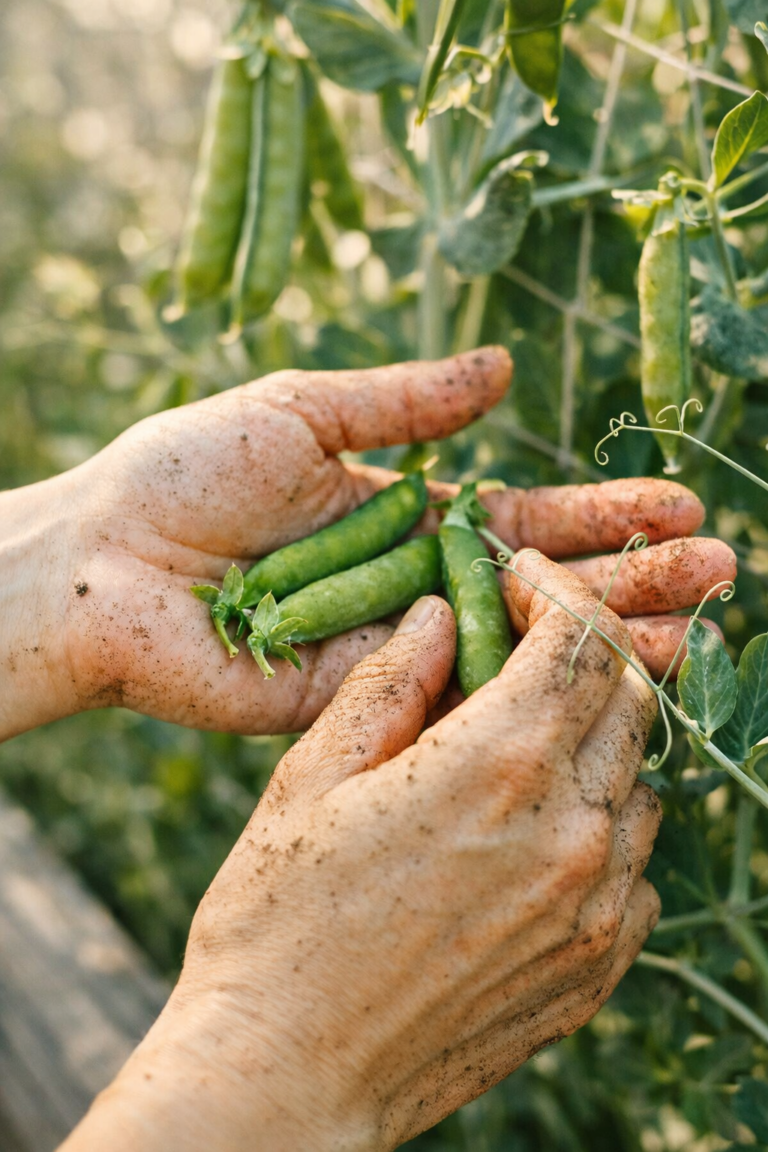
Early spring crops include:
- Peas
- Lettuce
- Spinach
- Radishes
- Kale
- Carrots
Many gardeners in colder climates start seeds indoors while waiting for outdoor soil to warm.
12. Plan Your Garden Layout
Early spring is also the perfect time to plan your garden.
Think about:
- Crop rotation
- Companion planting
- Expanding raised beds
- Adding trellises or supports
Planning now makes planting season much easier.
Tips for Early Spring Garden Success
A few simple habits can make a huge difference in how your garden performs this year.
Work the soil only when it’s dry enough. Wet soil compacts easily and damages soil structure.
Add compost generously. Compost improves soil fertility and water retention.
Plant cold-hardy crops first. Cool-season vegetables thrive in early spring temperatures.
Stay ahead of weeds. Removing weeds early prevents them from spreading later.
Final Thoughts on Early Spring Garden Cleanup
Early spring garden cleanup sets the foundation for the entire growing season. By removing winter debris, refreshing soil, and preparing your beds now, you create the perfect environment for healthy plants and productive harvests.
A few hours spent outside on these early spring tasks will make your garden easier to manage all summer long.
And honestly, after a long winter, there’s nothing better than getting your hands back in the soil.