If you garden in a cold climate like Zone 5 in Upstate New York, honeyberries might become your new favorite fruit. Also known as haskap, these hardy shrubs produce elongated blue berries weeks before strawberries — often in late spring — and thrive in cold winters.
Here’s everything you need to know about growing honeyberries successfully in your backyard.
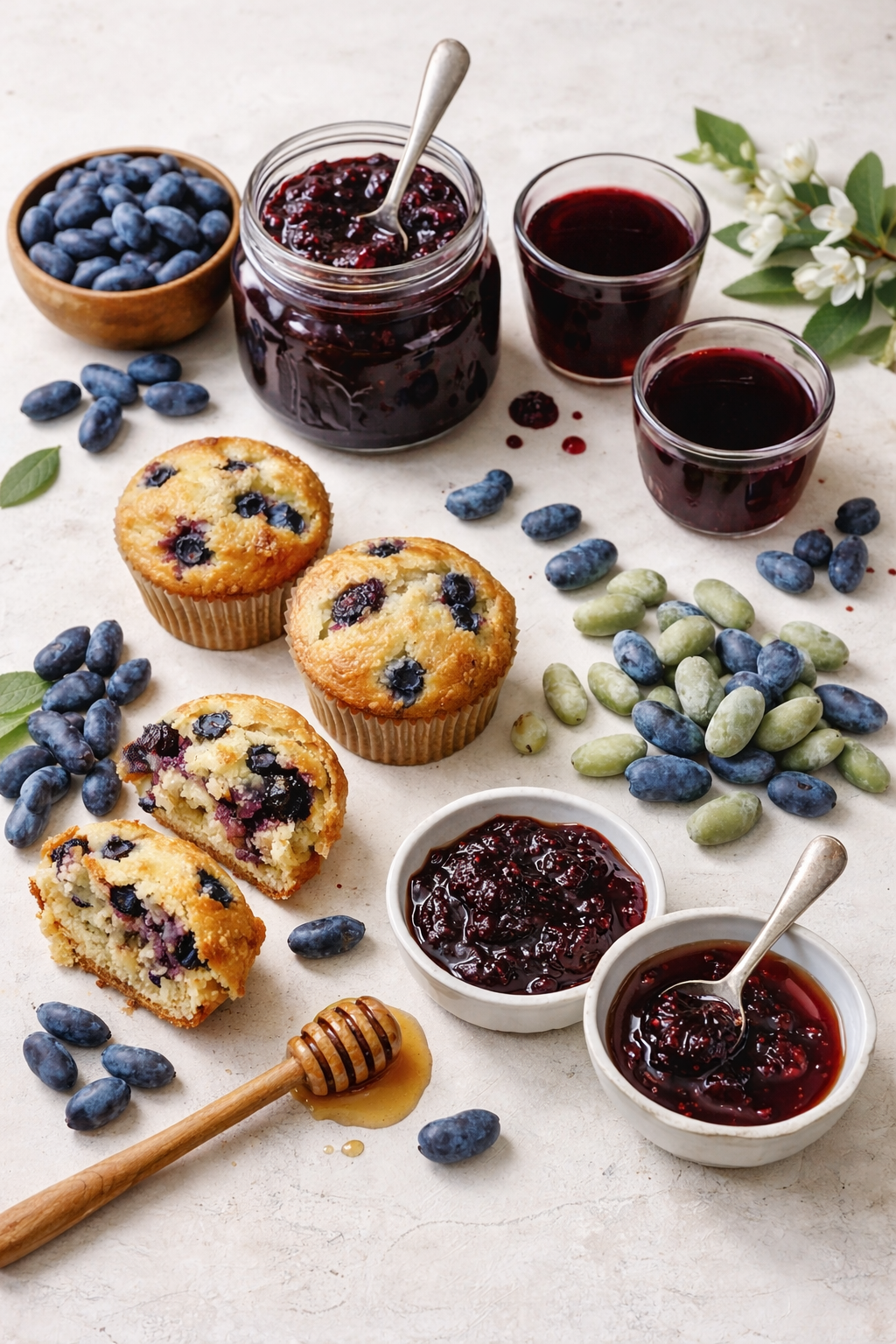
What Are Honeyberries?
Honeyberries (Lonicera caerulea) are edible honeysuckle shrubs native to cold regions of Russia and Japan. They:
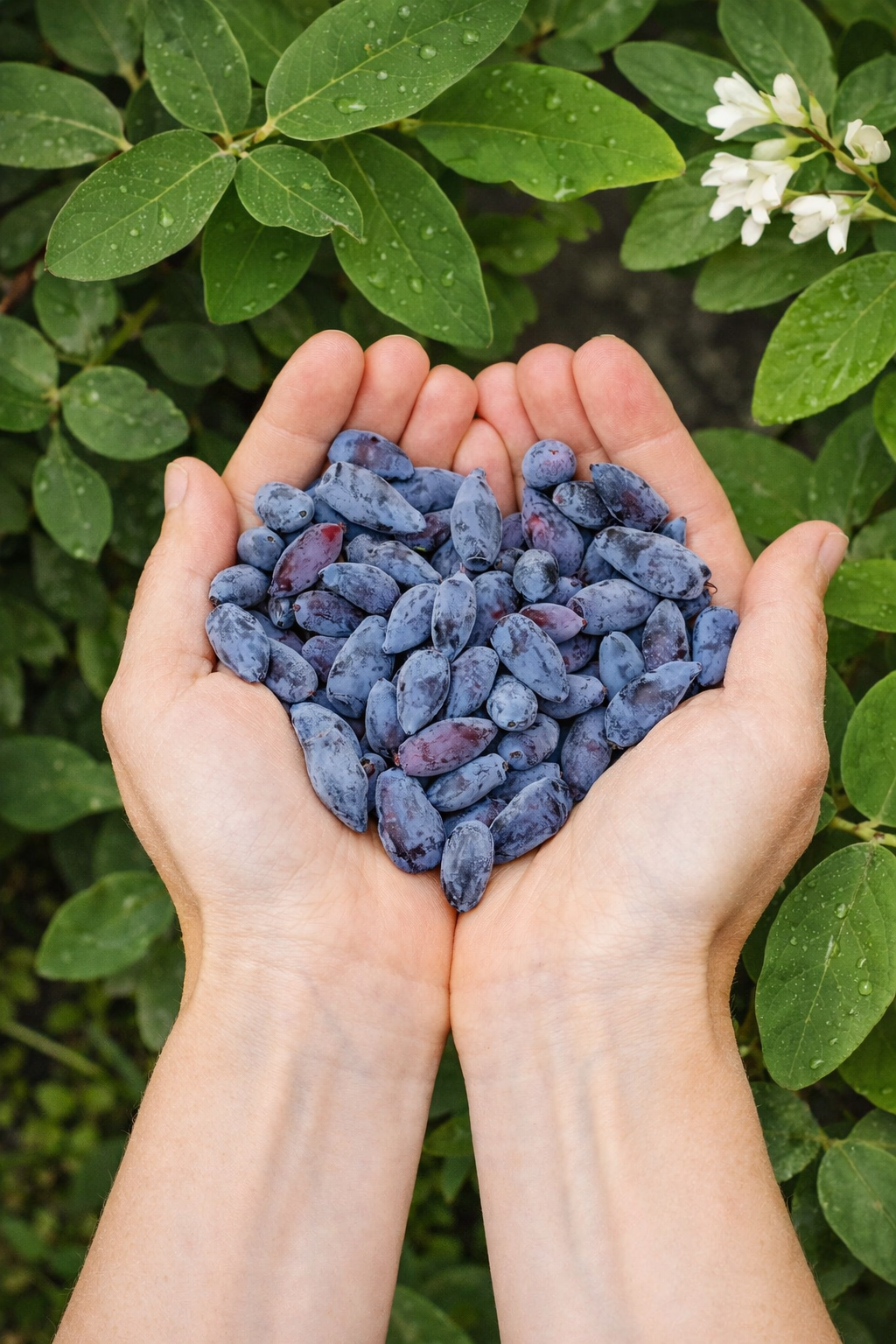
- Look like elongated blueberries
- Taste sweet-tart (a mix of blueberry, raspberry, and a hint of grape)
- Ripen in May–June (before most other fruits)
- Thrive in Zones 2–7
They are incredibly cold-hardy — tolerating temperatures down to -40°F — making them perfect for northern gardens.
Why Grow Honeyberries?
- Extremely cold hardy
- Very early harvest
- Low maintenance
- Pest resistant
- High in antioxidants
- Great for fresh eating, jams, syrup, and baking
They’re especially ideal if you already grow strawberries, rhubarb, or blueberries and want to extend your berry season earlier.
Best Growing Conditions
Sunlight
Plant honeyberries in full sun for best fruit production. They will tolerate partial shade, but yields may decrease.
Soil
- Well-draining soil
- Slightly acidic to neutral (pH 5.5–7.0)
- Rich in organic matter
Amend heavy clay with compost before planting.
Spacing
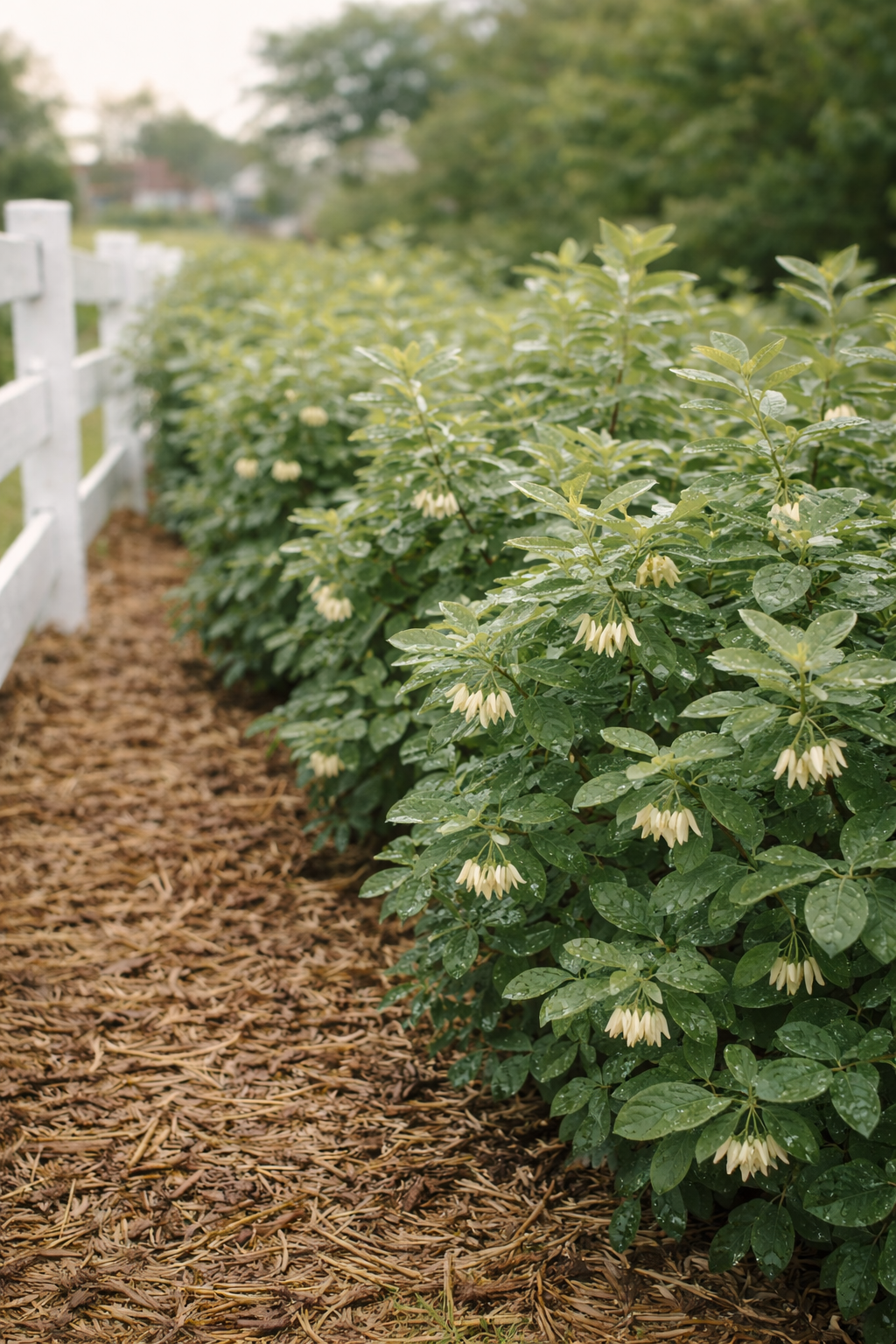
- Space plants 4–6 feet apart
- Rows should be 6–8 feet apart
They grow about 3–6 feet tall and wide, depending on variety.
Important: You Need Two Varieties
Honeyberries are not self-pollinating. You must plant at least two compatible varieties for cross-pollination.
Choose varieties that bloom at the same time. Many garden centers label them as “pollination partners.”
Plant them within 10–20 feet of each other for best fruit set.
How to Plant Honeyberries
- Plant in early spring or fall.
- Dig a hole twice as wide as the root ball.
- Mix compost into the native soil.
- Plant at the same depth as in the pot.
- Water deeply after planting.
- Mulch with straw or wood chips to retain moisture.
Since you’re in a colder climate, early spring planting works beautifully.
Watering & Feeding
- Keep soil evenly moist the first 1–2 years.
- Once established, they are moderately drought tolerant.
- Feed in early spring with compost or a balanced organic fertilizer.
- Avoid high nitrogen fertilizers (they promote leaves over fruit).
Pruning Honeyberries
Honeyberries need very little pruning at first.
- Years 1–3: Minimal pruning.
- After Year 3: Remove dead, damaged, or crossing branches.
- Every few years: Thin older wood to encourage new growth.
Unlike blueberries, they fruit on one-year-old wood.
Harvesting Honeyberries
Harvest typically happens in late May or early June.
The berries turn deep blue but should be fully soft before picking. If they taste tart, they may need a few more days.
Birds love them — consider netting if needed.
Common Problems
- Birds eating fruit
- Poor pollination (only one plant)
- Overwatering in heavy soil
Overall, honeyberries are one of the easiest berry shrubs to grow.
Companion Plants
Honeyberries grow well near:
- Strawberries
- Rhubarb
- Blueberries
- Currants
- Early flowering herbs that attract pollinators
They fit beautifully into a berry patch or edible landscape.
How Long Until You Get Fruit?
Most plants produce lightly in Year 2 and reach full production by Year 3–4.
A mature bush can yield 5–10 pounds of berries per season.
Final Thoughts
If you live in a cold climate and want fruit before summer even begins, honeyberries are a fantastic addition to your garden. They’re hardy, productive, and uniquely delicious.
Plant two varieties, give them sun and compost, and enjoy some of the earliest berries of the season.