Well, we finally did it! We added two miniature cows to our little homestead, and I couldn’t be more excited!
Our newest additions are two adorable mini Dexter cross heifers named Dolly and Bebe, and they’re already making themselves right at home.
If you’ve been following along with our farm adventures here at First Home Love Life, you know we’re no strangers to farm animals. Between raising goats, sheep, miniature horses, chickens, turkeys, ducks, and geese, there’s always something happening around here.
But miniature cows? That’s a whole new adventure!
I’ve wanted to add a couple of little cows to our farm for a while now. There’s just something about those sweet faces, fuzzy ears, and curious personalities that makes them impossible to resist.
Of course, as cute as miniature cows are, they’re still cattle. And bringing home a couple of heifers means learning about their nutritional needs, proper fencing, pasture management, shelter, and veterinary care.
So today, I’m sharing our exciting new additions, along with a beginner-friendly guide to raising miniature cows for anyone who’s been dreaming of adding a couple to their own homestead.
Whether you’re considering miniature Dexter cattle, Highland crosses, or another small cattle breed, here’s what you should know before bringing them home.
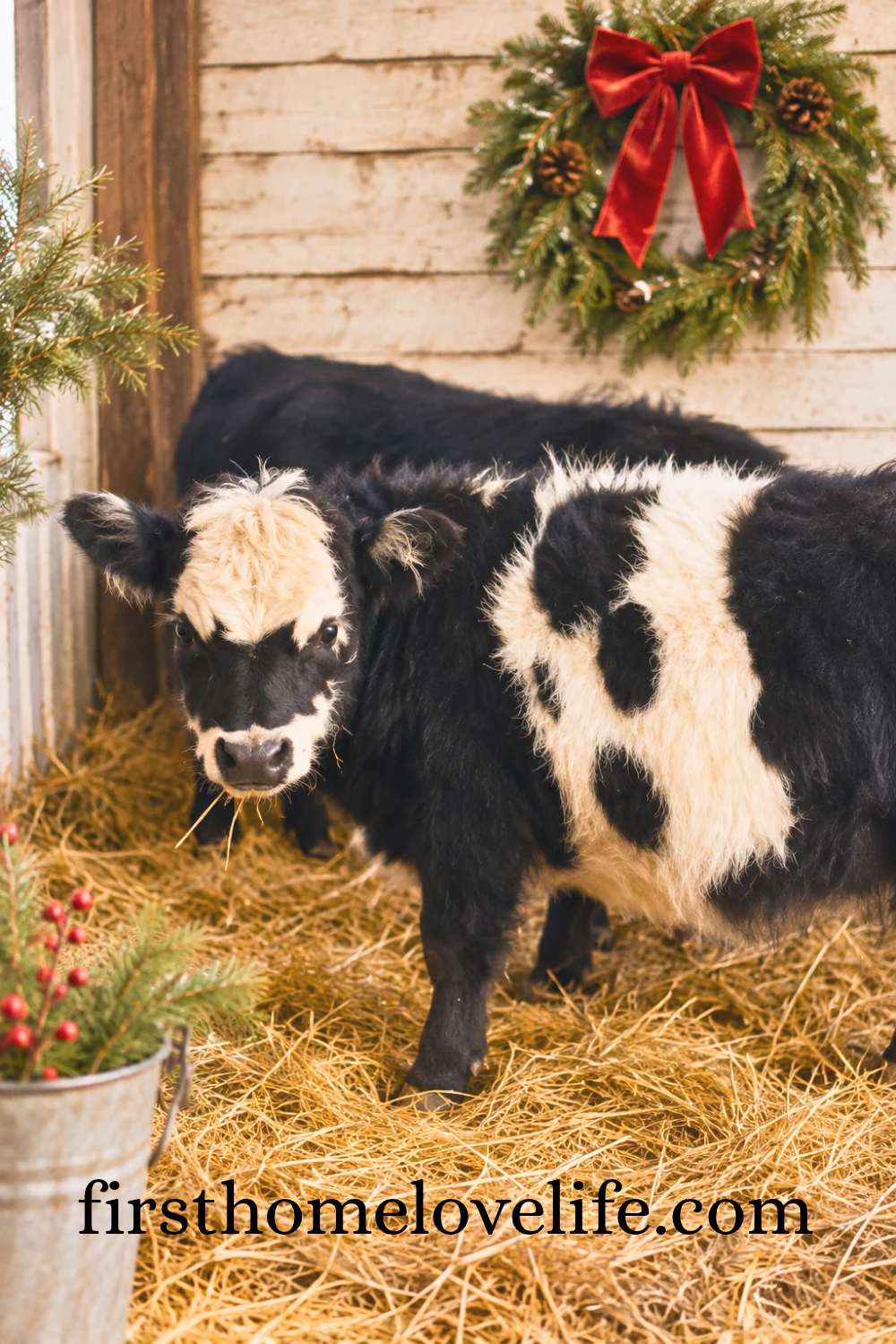
Meet Our Two Mini Dexter Cross Heifers!
There’s nothing quite like bringing new animals home to the farm, especially when they’re as cute as these two!
Our newest girls are miniature Dexter crosses, meaning they have Dexter cattle in their breeding along with another cattle breed.
Dexters are naturally smaller than many traditional beef and dairy breeds, making them popular with small farms and homesteaders.
Because our girls are crosses, their eventual size, appearance, and characteristics will depend on their individual genetics.
And since they’re heifers, they’re young female cattle that haven’t had their first calves.
For now, we’re enjoying getting to know their personalities, watching them explore their new surroundings, and helping them settle into their new home.
One thing I’ve learned from raising other livestock is that every animal has its own personality. Some are curious and friendly right away, while others need a little more time and patience.
We’re giving these girls plenty of time to adjust.
And yes, I’m already completely in love with them!
What Are Miniature Dexter Cows?
Dexter cattle originated in Ireland and are one of the smaller traditional cattle breeds.
They’re considered a dual-purpose breed, meaning they can be raised for both milk and beef. Their smaller stature has made them particularly appealing to homesteaders who want cattle without necessarily raising a large commercial herd.
An important distinction is that purebred Dexters are naturally small cattle, rather than simply miniature versions of a larger breed.
Mini Dexter crosses, like our two girls, can vary considerably in size depending on their breeding. We know that the bull used is Chondro positive so chances are these girls will stay pretty small. We will be testing them before breeding.
Why are Dexter cattle popular with homesteaders?
There are several reasons people are drawn to Dexter cattle:
- They’re generally smaller than conventional beef cattle.
- Their smaller size can mean lower total feed requirements.
- They’re known for being versatile farm animals.
- They can be well suited to smaller-scale cattle operations.
- They’re available in several colors, including black, red, and dun.
- They can be used for pasture management and, depending on breeding and management, milk or beef production.
But here’s something important to remember: miniature doesn’t mean maintenance-free.
Even a small cow can weigh several hundred pounds, damage weak fencing, and require substantial amounts of hay and water.
1. How Much Land Do You Need for Miniature Cows?
One of the first questions people ask is how much acreage they need to raise mini cows.
And the answer isn’t quite as simple as you might think.
Although miniature cattle generally consume less forage than larger cattle, they still need adequate grazing space, exercise, and access to shelter and water.
The amount of land needed depends on several factors:
- The size and age of your cattle
- Quality of your pasture
- Length of your grazing season
- Rainfall and soil conditions
- Whether you practice rotational grazing
- How much supplemental hay you’re willing to provide
For someone with limited acreage, the important thing is understanding how much forage the land can actually produce.
A couple of miniature cows may be manageable on a smaller property with an appropriate feeding and manure-management plan, but that doesn’t mean every small pasture can sustain them year-round.
My advice: Before purchasing cattle, talk to your local Cooperative Extension office about stocking rates and pasture quality.
It’s much easier to plan your grazing system before the cows arrive than to discover halfway through summer that you’ve run out of grass.
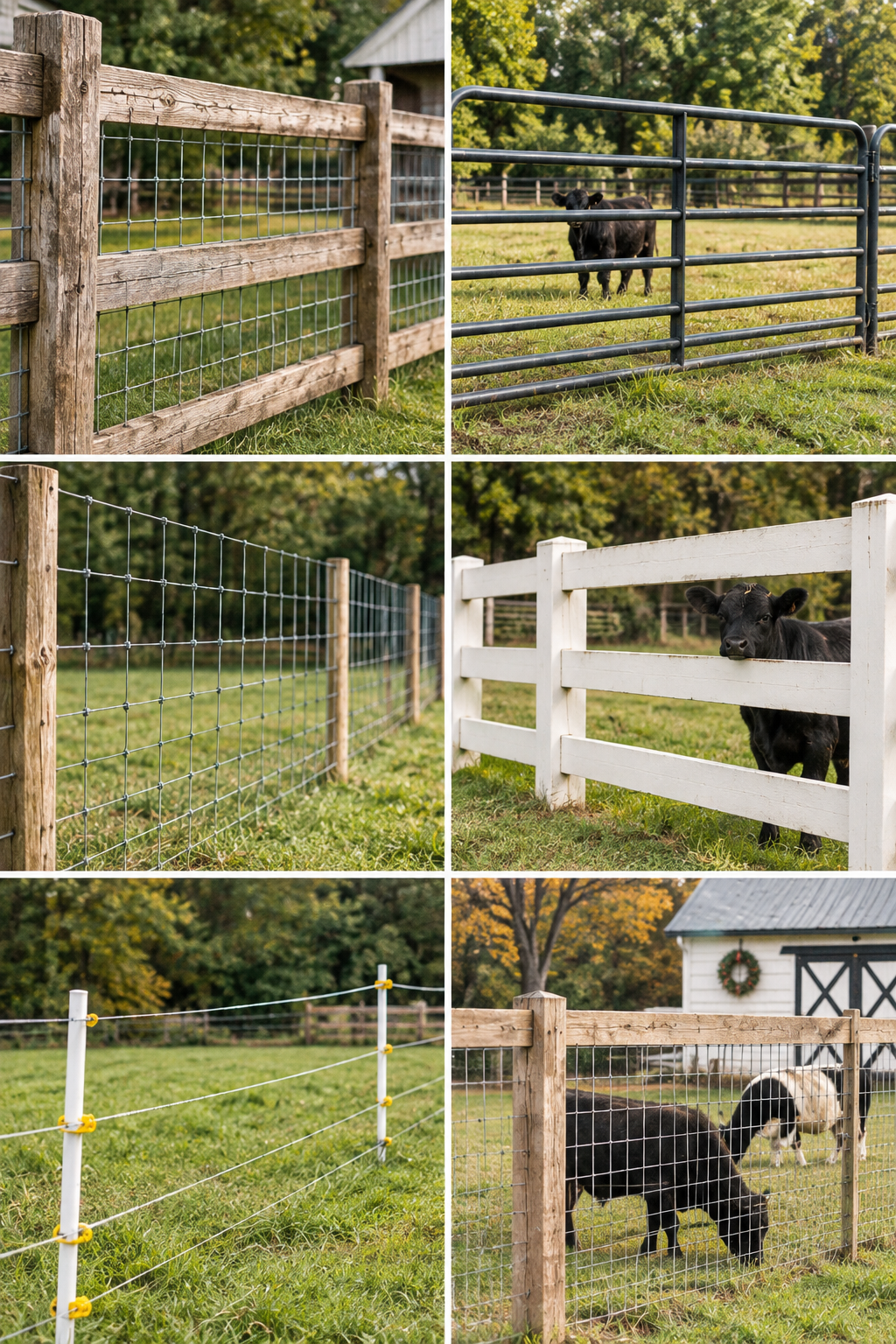
2. Proper Fencing for Miniature Cattle
If there’s one thing I would encourage anyone considering miniature cows to take seriously, it’s fencing.
Cattle are strong animals, regardless of their size.
A fence that works perfectly well for chickens or goats isn’t necessarily going to contain a determined cow.
Some commonly used fencing options include:
- Woven-wire livestock fencing
- Heavy-duty cattle panels
- High-tensile electric fencing
- Strong wooden fencing designed for cattle
- A combination of permanent fencing and electric cross-fencing
Electric fencing can be useful for rotational grazing, but cattle need to be properly trained to respect it.
You also want to pay close attention to the spacing near the ground, particularly with smaller heifers.
Check your fencing before bringing cows home
Walk the entire perimeter and inspect gates, posts, corners, and weak spots.
Pay special attention to areas where animals might push against fencing or reach through for grass.
I also recommend having a secure smaller paddock where newly arrived cattle can settle in before being introduced to a larger pasture. Right now, that’s what we have them in, so they get used to us and their new routine.
A calm, secure arrival area makes those first few days much easier.
3. What Do Miniature Cows Eat?
One of the biggest misconceptions about miniature cattle is that they don’t eat very much.
While smaller cattle generally need less total feed than larger breeds, they still consume a surprising amount of forage.
Their primary diet should consist of good-quality pasture grass and hay, supplemented as needed according to their age, body condition, and nutritional requirements.
Pasture grass
During the growing season, pasture can provide much of a miniature cow’s diet when forage quality and quantity are adequate.
Rotational grazing can help prevent overgrazing and give grass time to recover.
Good-quality hay
When pasture isn’t available, cattle need hay.
For our Upstate New York winters, this is especially important because grazing becomes limited once snow and freezing temperatures arrive.
Grass hay is commonly used for cattle, although the appropriate forage depends on nutritional needs and hay quality.
Cattle minerals
Cattle also need access to an appropriate mineral supplement.
This is especially important on farms with multiple livestock species.
Because we also raise goats, I want to emphasize that goats and cattle don’t necessarily have the same mineral requirements. Cattle minerals can contain copper levels that are unsafe for other livestock.
Always provide species-appropriate minerals in separate, secure feeding areas.
Do miniature cows need grain?
Not necessarily.
Some cattle maintain healthy body condition on quality forage and a balanced mineral program alone.
Growing heifers, pregnant animals, or cattle receiving poor-quality forage may have additional nutritional requirements.
Rather than automatically feeding grain, it’s better to evaluate forage quality, growth, and body condition with your veterinarian or livestock nutritionist.
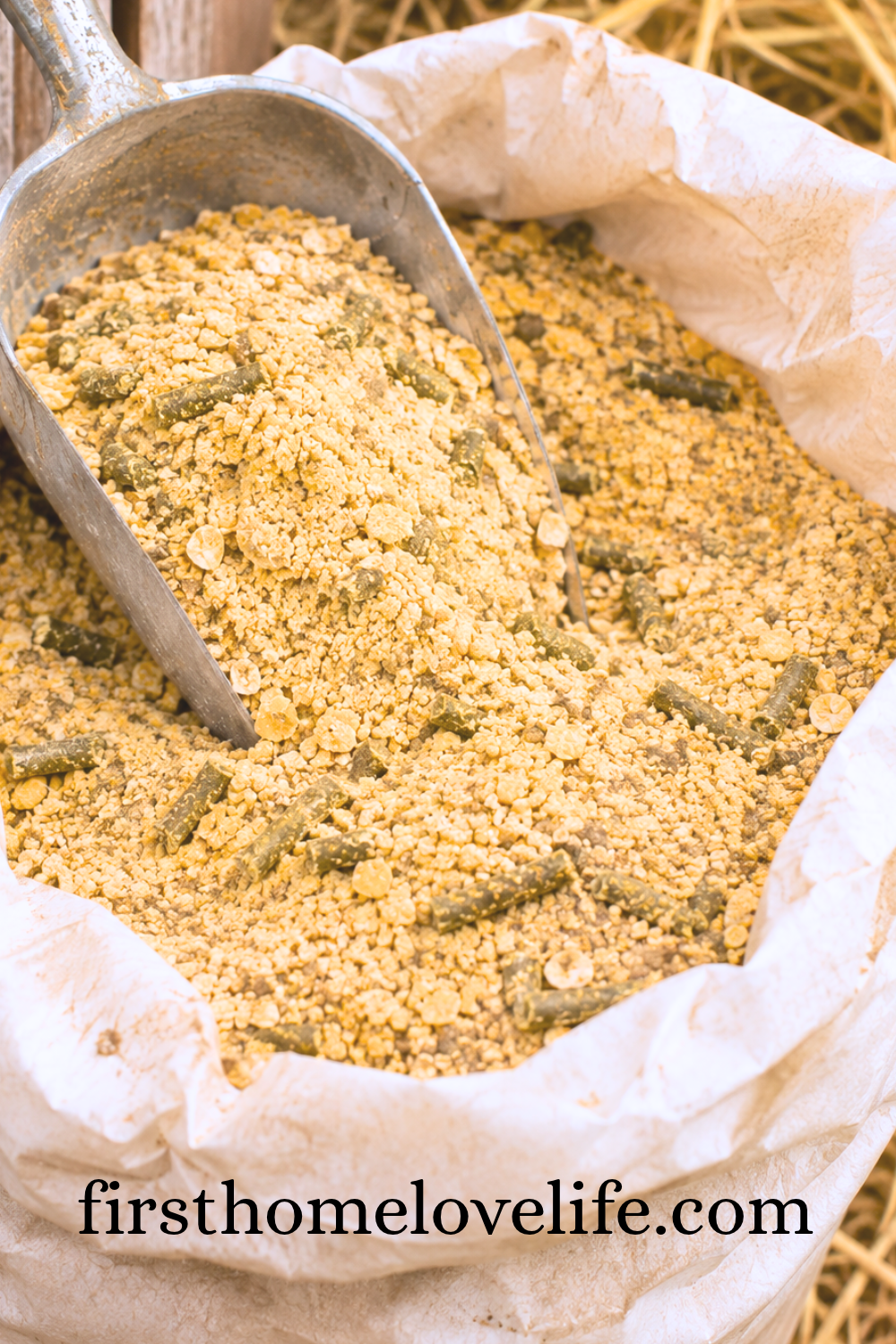
Right now, since it’s winter and the pasture isn’t growing, we are supplementing with what they got at their prior farm. It’s a mix of roasted soybeans, corn and alfalfa pellets. We buy them separately at our local feed mill and mix it together ourselves.
4. Fresh Water Is Essential
Miniature cows need constant access to clean, fresh water.
Their water requirements change depending on body size, temperature, feed moisture, and whether they’re growing, pregnant, or lactating.
During hot weather, cattle can drink considerably more water than they do during cooler months.
For winter, keeping water from freezing becomes another important part of the daily routine.
A properly installed heated livestock waterer or safe tank deicer can make winter chores easier.
Check water sources every day, even when using automatic systems.
5. Do Miniature Cows Need a Barn?
One of the nice things about raising cattle is that they don’t necessarily need an elaborate barn.
Healthy cattle can tolerate cold temperatures quite well when they’re properly fed, dry, and protected from wind.
A sturdy three-sided shelter can be suitable for many small cattle operations.
The shelter should provide:
- Protection from prevailing winds
- A dry place to rest
- Adequate space for both animals
- Good drainage
- Clean, comfortable bedding
- Shade during hot weather
Our biggest consideration: Upstate New York winters
Living in Central New York means we have to plan for snow, freezing temperatures, and strong winter winds.
For miniature cattle, a well-positioned run-in shelter with plenty of dry bedding can provide an important place to escape severe weather.
Straw is commonly used for bedding because it helps create a dry, insulating resting area.
You also want to avoid placing shelters in low spots where melting snow and rainwater collect.
And don’t forget about mud!
Spring mud can be just as challenging as winter snow, especially around feeders, gates, and water troughs.
6. Miniature Cow Health Care for Beginners
Before bringing cattle home, establish a relationship with a veterinarian who works with livestock.
Even if you’ve raised goats, sheep, or horses for years, cattle have their own health and management requirements.
Your veterinarian can help develop a herd-health plan that includes:
- Appropriate vaccinations
- Parasite monitoring and treatment when needed
- Nutrition and mineral management
- Hoof and mobility assessments
- Reproductive health
- Disease testing and biosecurity
- Emergency care
Watch your cows every day
One of the simplest ways to catch problems early is to become familiar with how your animals normally behave.
Pay attention to appetite, movement, manure consistency, breathing, and overall activity.
A cow that’s suddenly isolated, refusing food, bloated, or acting unusually quiet deserves immediate attention.
Severe bloat, difficulty breathing, inability to stand, or serious injury requires urgent veterinary care.
And because cattle are powerful animals, even friendly ones should be handled carefully.
A safe handling area and access to appropriate cattle restraint equipment are important parts of responsible ownership.
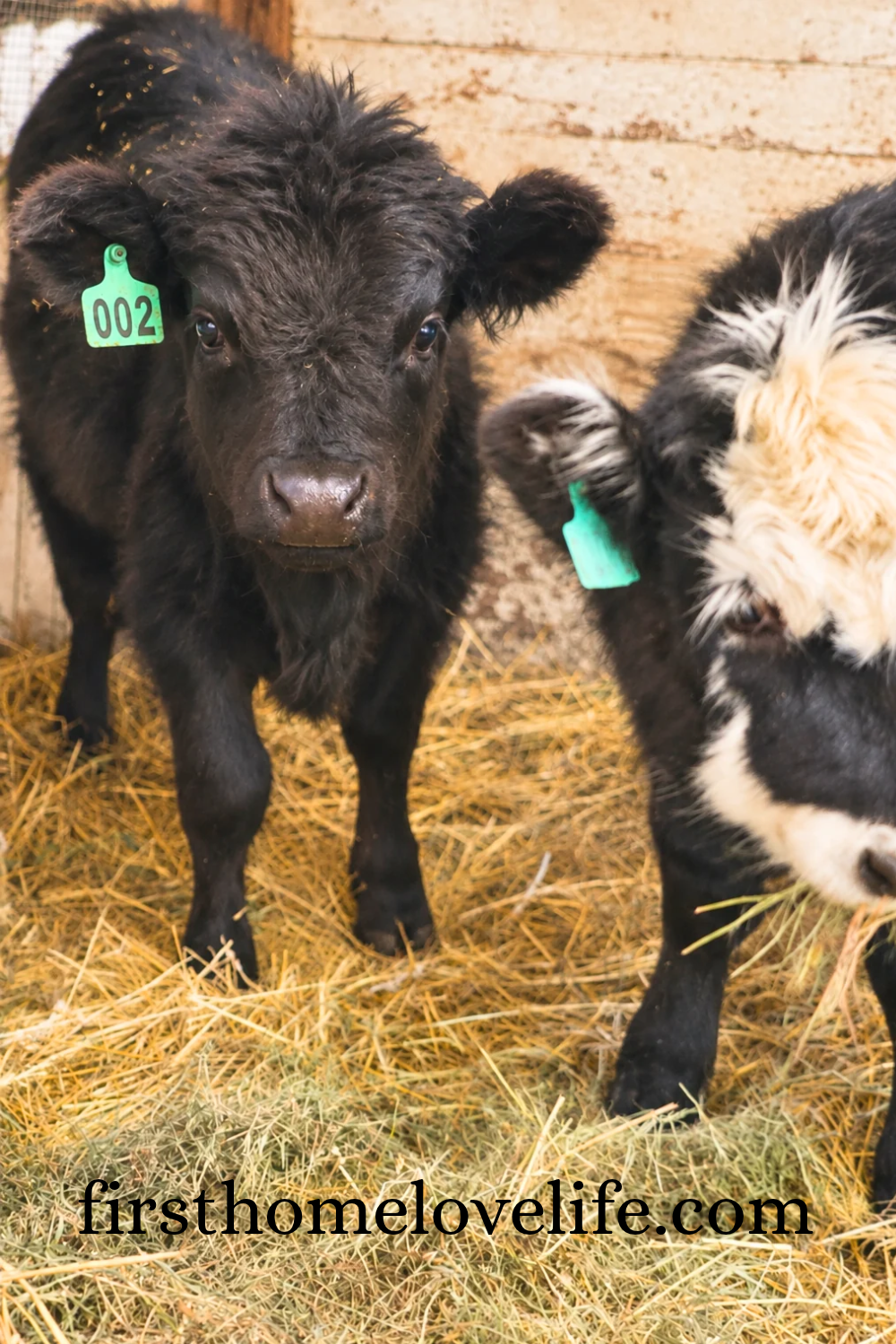
7. Raising Two Miniature Cows Is Better Than Raising One
One reason I’m especially happy we brought home two heifers is that cattle are social herd animals.
They naturally prefer the company of other cattle.
Although cows may interact with horses, goats, and sheep, another cow generally provides more appropriate companionship.
Having two also means they can graze, rest, and explore together.
Of course, even bonded animals need enough space around feeders and waterers to avoid competition.
Make sure both cows can eat comfortably without one constantly pushing the other away.
8. How to Get Miniature Cows Friendly and Comfortable Around People
This is one of the parts I’m looking forward to most!
I love building trust with our farm animals, and I’m excited to watch our girls become more comfortable with us.
The key is patience and consistency.
Start by spending quiet time near them without expecting anything.
Let them become familiar with your voice, movements, and daily routine.
Avoid chasing them around the pasture or forcing interactions.
Tips for building trust
- Establish a predictable feeding routine.
- Approach calmly and avoid sudden movements.
- Spend time near the animals without crowding them.
- Use appropriate feed rewards sparingly and safely.
- Introduce halter training gradually in a secure area.
- Reward calm behavior and keep training sessions short.
It’s also important not to encourage pushing, head-butting, or rough play.
Behavior that seems adorable in a small calf can become dangerous when that animal grows into a several-hundred-pound adult.
The goal is to raise calm, respectful cattle that are comfortable being handled.
9. Raising Miniature Cows With Other Farm Animals
Since our homestead already has goats, sheep, miniature horses, and poultry, managing multiple species is something we think about regularly.
Although different livestock species can sometimes share grazing areas, there are several important considerations.
Minerals and feed: Sheep must not have access to cattle mineral supplements containing unsafe levels of copper. Cattle should also be prevented from eating feed or medications intended for other species.
Fencing: What safely contains one species might not contain another.
Parasites and disease: Different livestock species have different health risks, and some diseases can spread between them.
Feeding behavior: Larger animals can accidentally injure smaller livestock around hay feeders and gates.
Shelter: Every animal needs enough space to rest without being crowded or displaced.
For now, I think the smartest approach is to make sure our miniature cows have a safe, dedicated area while we get to know them and evaluate how they’ll fit into the rest of our farm routine.
10. How Much Does It Cost to Raise Miniature Cows?
Miniature cattle might be smaller than traditional cows, but they’re not necessarily inexpensive to purchase or maintain.
In fact, some miniature cattle can command premium prices because of their popularity.
The purchase price is only the beginning.
| Expense | What to budget for |
|---|---|
| Purchasing cattle | Two healthy heifers from a reputable breeder |
| Fencing | Posts, wire, gates, energizers, repairs |
| Shelter | Three-sided run-in or existing barn space |
| Feed | Pasture maintenance and seasonal hay |
| Minerals | Cattle-specific mineral supplement |
| Water | Troughs, plumbing, winter heating |
| Veterinary care | Preventive care, testing, emergencies |
| Equipment | Hay feeders, handling facilities, transport |
The biggest ongoing expense for many small cattle owners is feed, especially in areas with long winters.
I recommend calculating how much hay you’ll need for the entire non-grazing season and arranging a reliable source before winter arrives.
Don’t forget to budget for unexpected veterinary bills, fencing repairs, and equipment maintenance.
11. What I Would Tell Anyone Thinking About Getting Mini Cows
If you’re considering adding miniature cattle to your homestead, here are the things I would prioritize before bringing them home.
First, make sure you have the space and fencing. Don’t assume that because they’re miniature, they’ll be happy in a tiny backyard.
Second, purchase healthy animals from a reputable breeder. Ask about age, parentage, health records, vaccinations, temperament, and expected mature size.
Third, have a winter feeding plan. This is especially important if you live somewhere with a short grazing season.
Fourth, make sure you have a livestock veterinarian. Don’t wait until an emergency to find one.
Fifth, consider getting two. Cattle are herd animals, and companionship matters.
And finally, remember that miniature cows are still livestock, not oversized pets.
They’re adorable, but they deserve the same thoughtful management and responsible care as any other farm animal.
Frequently Asked Questions About Raising Miniature Cows
Are miniature cows good for beginners?
Miniature cattle can be suitable for first-time cattle owners who have appropriate fencing, pasture, shelter, handling facilities, and veterinary support. Their smaller size doesn’t eliminate the need for proper livestock experience and safety precautions.
How big do mini Dexter cross cows get?
Their mature size depends on the breeds involved, individual genetics, sex, and nutrition. Dexter cattle are naturally smaller than many conventional breeds, but Dexter crosses can vary considerably. Ask the breeder for the parents’ mature measurements rather than relying on the word “miniature.”
How much hay do miniature cows eat?
Cattle commonly consume roughly 2–3% of their body weight in forage dry matter daily, although actual needs vary. For example, a 500-pound heifer eating 2.5% of her weight would consume approximately 12.5 pounds of forage dry matter per day. The amount of hay offered will be higher because hay contains moisture and some is wasted.
Can miniature cows live outside in winter?
Yes, healthy, acclimated cattle can live outdoors in cold climates when they have adequate nutrition, unfrozen water, dry bedding, and protection from wind and severe weather. Young, sick, or vulnerable animals may require additional protection.
Can you keep just one miniature cow?
Cattle are social animals, so keeping them with compatible cattle companions is generally preferable to keeping one alone.
Do miniature cows need grain?
Not always. Many cattle can meet their nutritional needs through quality forage and appropriate minerals, depending on age, growth, reproductive status, and forage quality. Ask your veterinarian or nutritionist whether supplementation is necessary.
Can miniature cows live with goats and sheep?
They may be able to share some areas with careful management, but species-specific feeding, mineral access, disease prevention, fencing, and physical safety must be considered.
How long do miniature cows live?
With good care, cattle can live into their teens and sometimes longer. Anyone considering miniature cows should be prepared for a long-term commitment.
Final Thoughts: Our New Mini Cow Adventure
I have a feeling these two little heifers are going to bring a whole lot of personality to our homestead!
There’s something so rewarding about adding a new animal to the farm, learning what makes them happy and healthy, and watching them settle into their new surroundings.
And while miniature cows might be one of the cutest additions we’ve ever made, I also know there’s plenty to learn along the way.
That’s part of what I love about homesteading. There’s always something new to experience, another skill to develop, and another reason to head outside in the morning.
I’ll be sharing more about our girls as they grow, including their personalities, how we’re setting up their living space, what we’re feeding them, and what we learn about raising miniature cattle through our first winter together.
If you’ve been dreaming about getting miniature cows, I hope our experience inspires you to do your research, prepare your property, and decide whether these sweet little cattle are the right fit for your homestead.
And if you already raise miniature cattle, I’d love to hear about your experience!
Do you have Dexters, Highlands, or another miniature breed? Leave a comment below and tell me about your cows.
Happy homesteading!