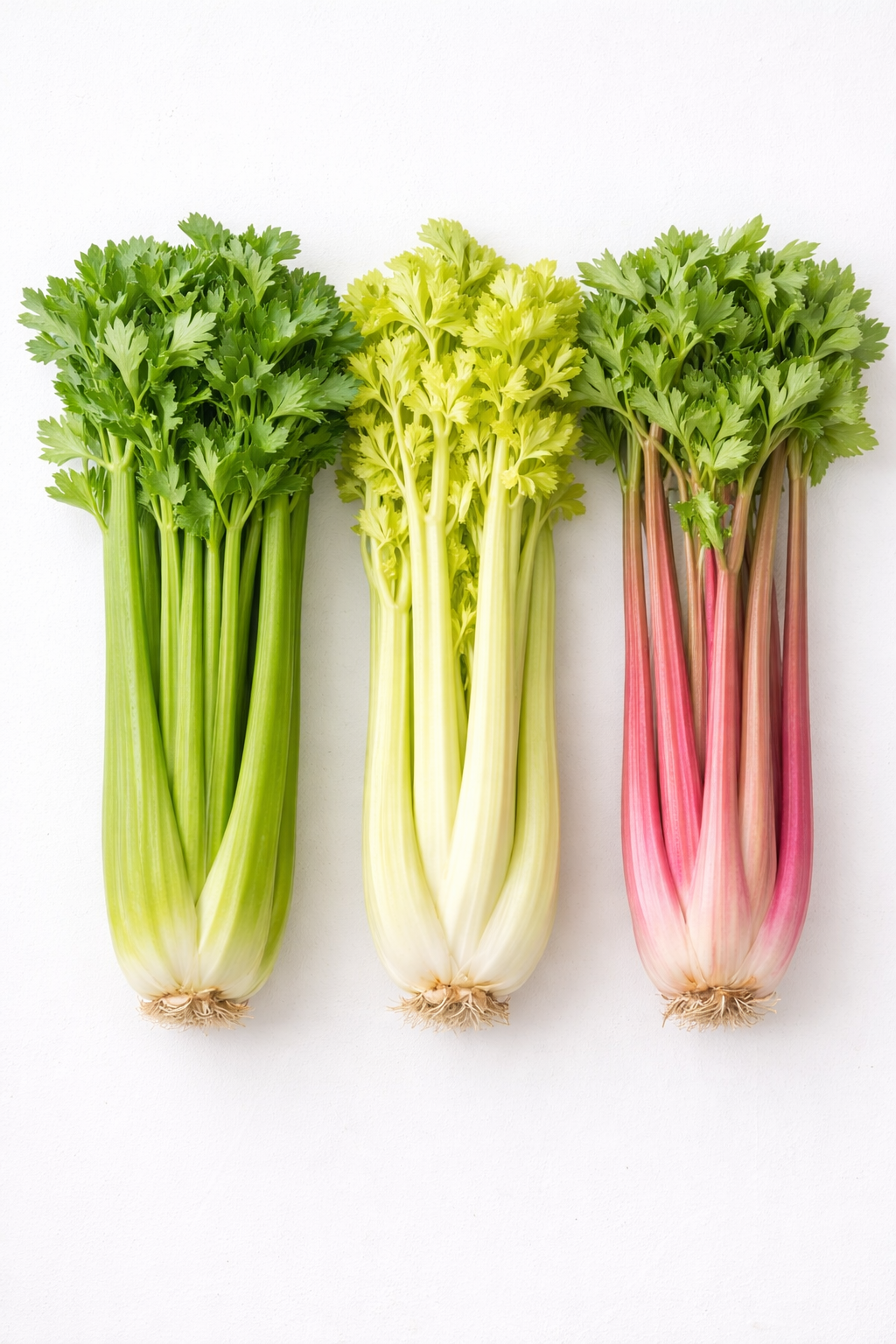
Celery has a reputation for being tricky — but once you understand what it needs, it’s surprisingly rewarding to grow. Crisp, flavorful, and far more aromatic than store-bought, homegrown celery is perfect for soups, salads, and fall harvest cooking.
If you’re gardening in Zone 5 (like here in Upstate New York), celery thrives in the cool temperatures of late spring and early fall.
Let’s walk through everything you need to know.
Why Grow Your Own Celery?
- Better flavor than grocery store celery
- Perfect for soups, broths, and stuffing
- Grows well in raised beds
- Cold-tolerant crop
Celery does require patience, but the results are worth it.
When to Plant Celery
Celery has a long growing season (120–140 days), so timing matters.
In Zone 5:
- Start seeds indoors: 10–12 weeks before last frost
- Transplant outdoors: After danger of frost has passed
- Fall crop: Start seeds in early summer for late fall harvest
Celery prefers cool weather and struggles in intense summer heat.
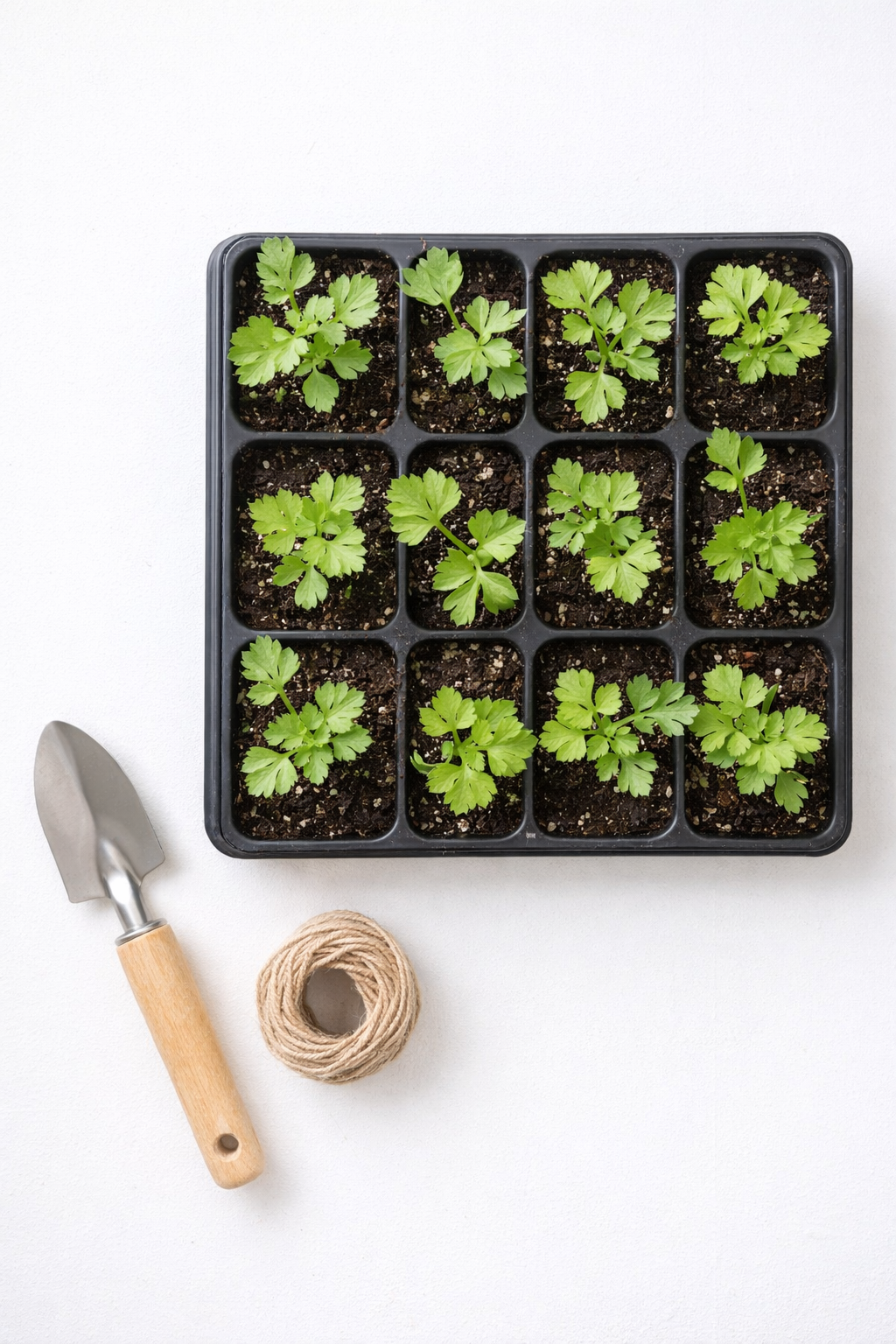
How to Start Celery from Seed
Celery seeds are tiny and need light to germinate.
- Fill seed trays with moist seed-starting mix.
- Sprinkle seeds on top — do not bury deeply.
- Lightly press into soil.
- Mist gently and cover with humidity dome.
- Keep soil consistently moist.
Germination can take 2–3 weeks, so be patient.
Once seedlings are 2–3 inches tall, harden them off before transplanting outdoors.
Best Soil for Celery
Celery is a heavy feeder and loves:
- Rich, compost-amended soil
- Consistent moisture
- Well-draining but not dry conditions
- pH between 6.0–7.0
Add plenty of compost before planting. Celery thrives in nutrient-dense beds — perfect for a raised garden setup.
Spacing & Planting
- Space plants 8–10 inches apart
- Rows 18–24 inches apart
- Plant at the same depth as in the seed tray
Celery does well tucked between other cool-season crops.
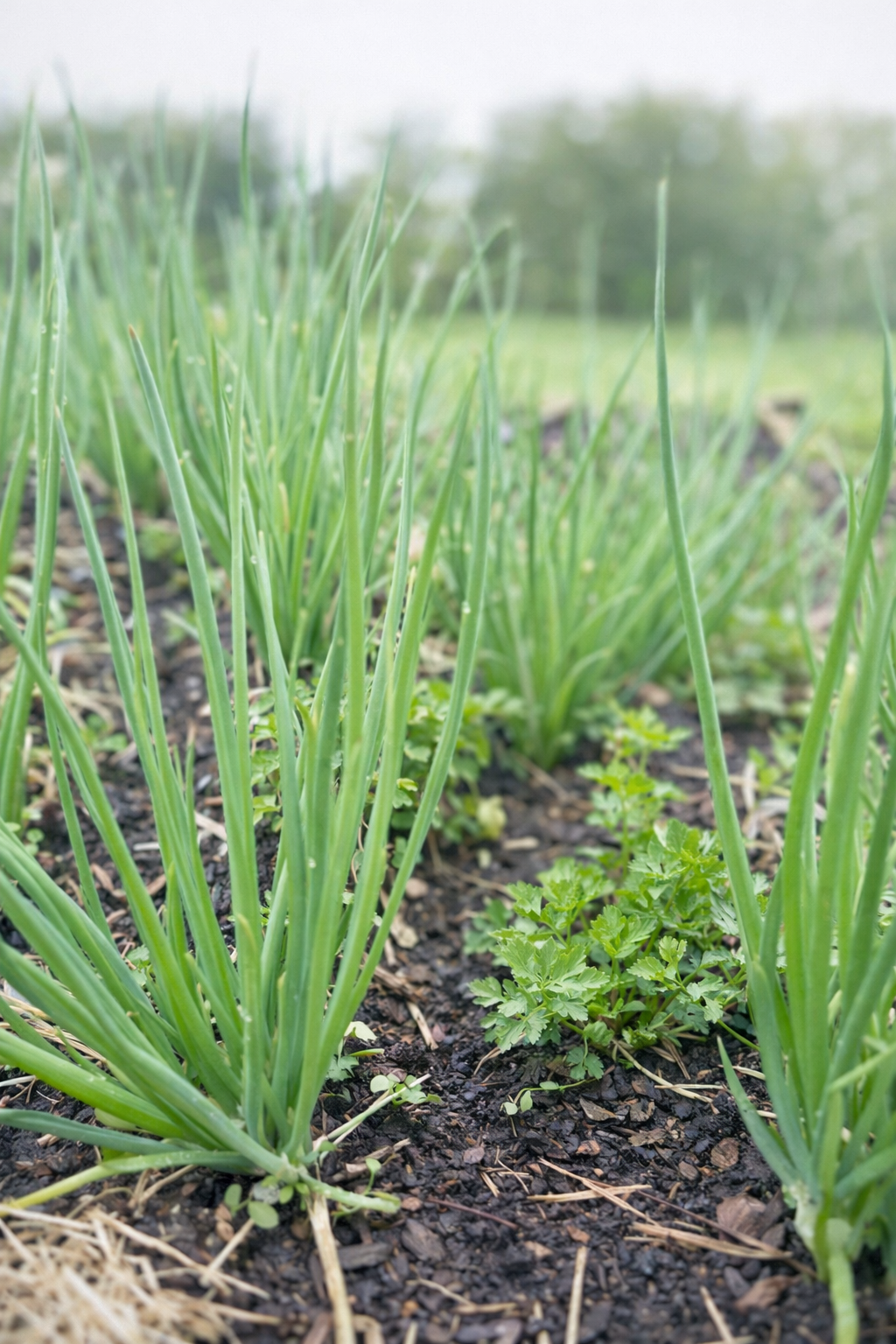
Celery Companion Planting Guide
Celery grows best with plants that enjoy cool weather and consistent moisture — making it perfect for spring and fall garden beds.
Best Companion Plants for Celery
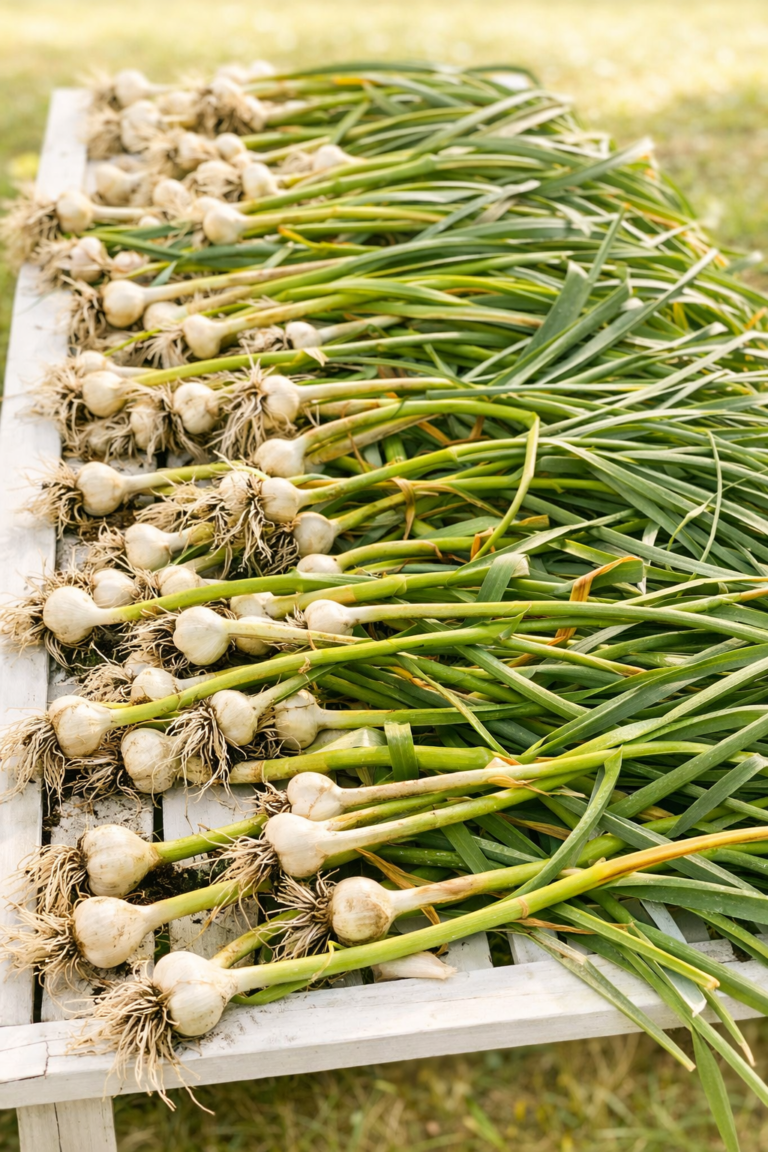
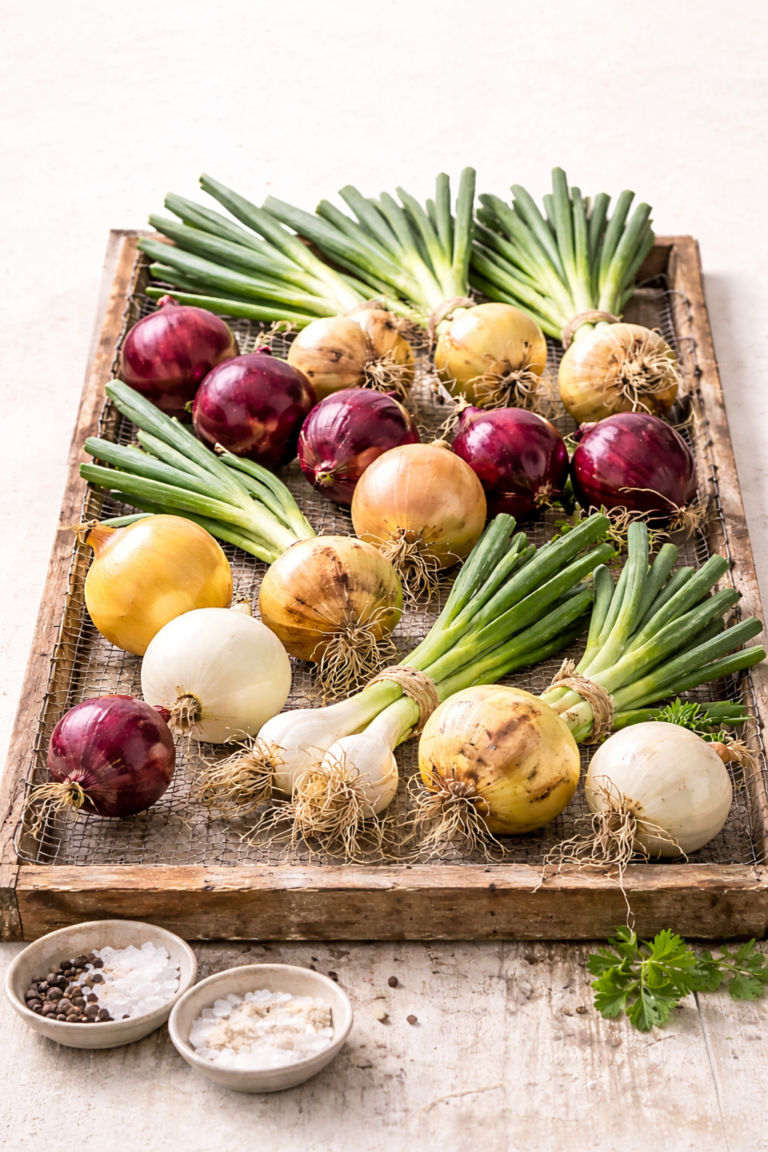
Onions & Leeks
Help deter pests like aphids and carrot flies. Their shallow roots don’t compete heavily for nutrients.
Spinach & Lettuce
Both prefer similar cool, moist conditions and can act as living mulch to shade celery roots.
Brassicas (Cabbage, Broccoli, Kale)
Celery can help repel cabbage moths while benefiting from similar soil conditions.
Bush Beans
Beans improve soil nitrogen levels, which celery loves.
Tomatoes
Celery can help repel certain tomato pests, and both enjoy rich soil.
🚫 What Not to Plant Near Celery
Corn – Heavy feeder and competes for nutrients.
Carrots & Parsnips – Compete for root space.
Dill – Can inhibit celery growth if planted too closely.
🌿 Smart Raised Bed Layout Tip (Especially Helpful in Zone 5)
In a 4×8 raised bed:
- Plant celery in the center rows
- Surround with spinach or lettuce
- Add onions along the edges
This maximizes moisture retention and natural pest resistance.
Watering Is Key
This is where most gardeners go wrong.
Celery needs:
- Consistent moisture
- About 1–2 inches of water per week
- Mulch to retain soil moisture
If celery dries out, it becomes stringy and bitter.
Adding straw mulch helps regulate moisture — especially helpful in windy areas.
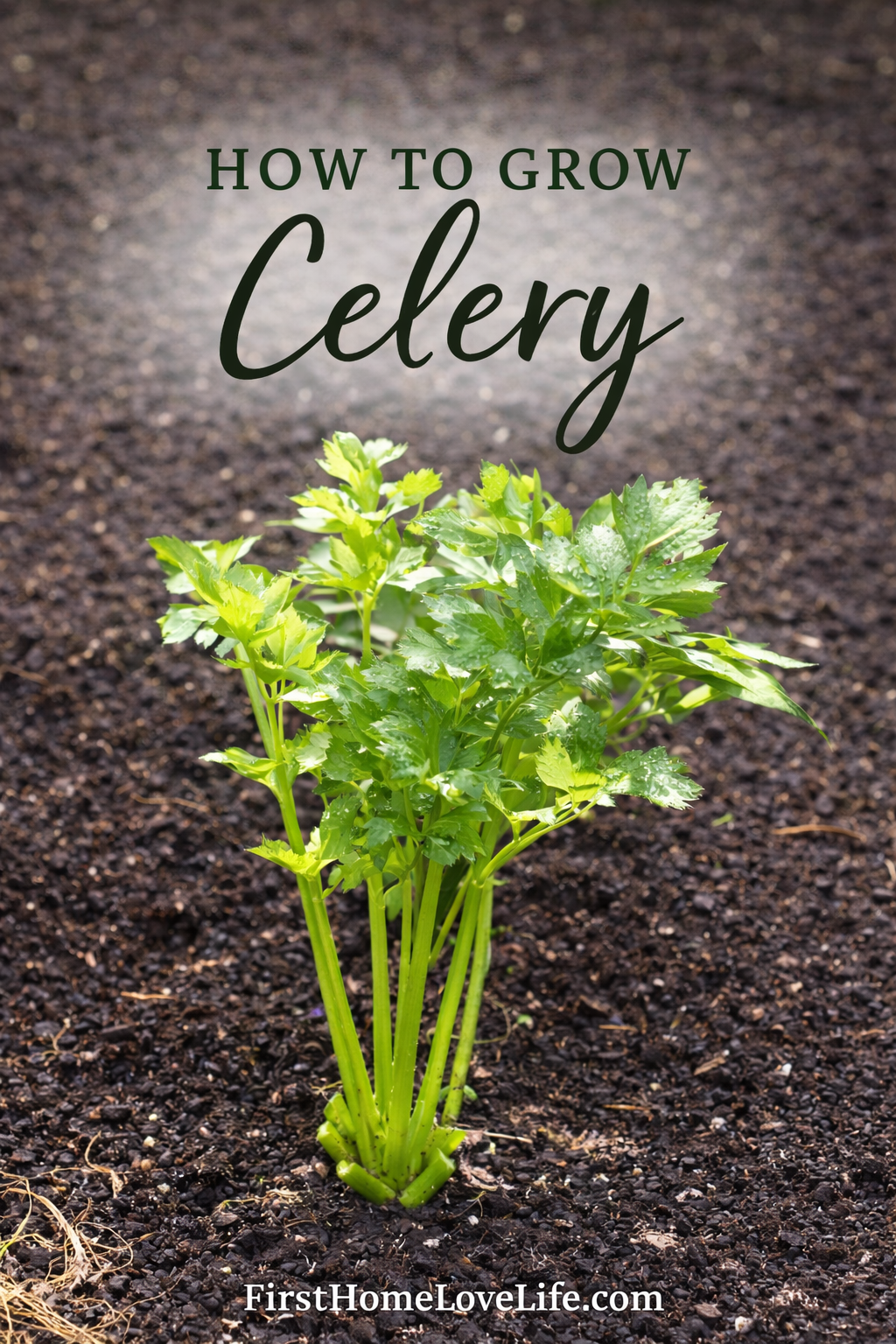
Fertilizing Celery
Feed every 2–3 weeks with:
- Compost tea
- Fish emulsion
- Balanced organic fertilizer
Celery is a heavy feeder and benefits from regular nutrients.
Blanching Celery (Optional)
Blanching creates lighter, milder stalks.
To blanch:
- Wrap stalks loosely with cardboard, paper, or soil mound
- Do this 2–3 weeks before harvest
Many modern varieties are self-blanching and don’t require this step.
Common Celery Problems
Bitter taste → Inconsistent watering
Stringy stalks → Heat stress
Bolting (flowering) → Sudden temperature swings
Yellow leaves → Nutrient deficiency
Keep moisture steady and soil rich.
When to Harvest Celery
Celery is ready when:
- Stalks are about 8 inches tall
- Plant looks full and sturdy
You can:
- Harvest whole plant at soil level
- Or cut outer stalks as needed
Cool fall weather improves flavor.
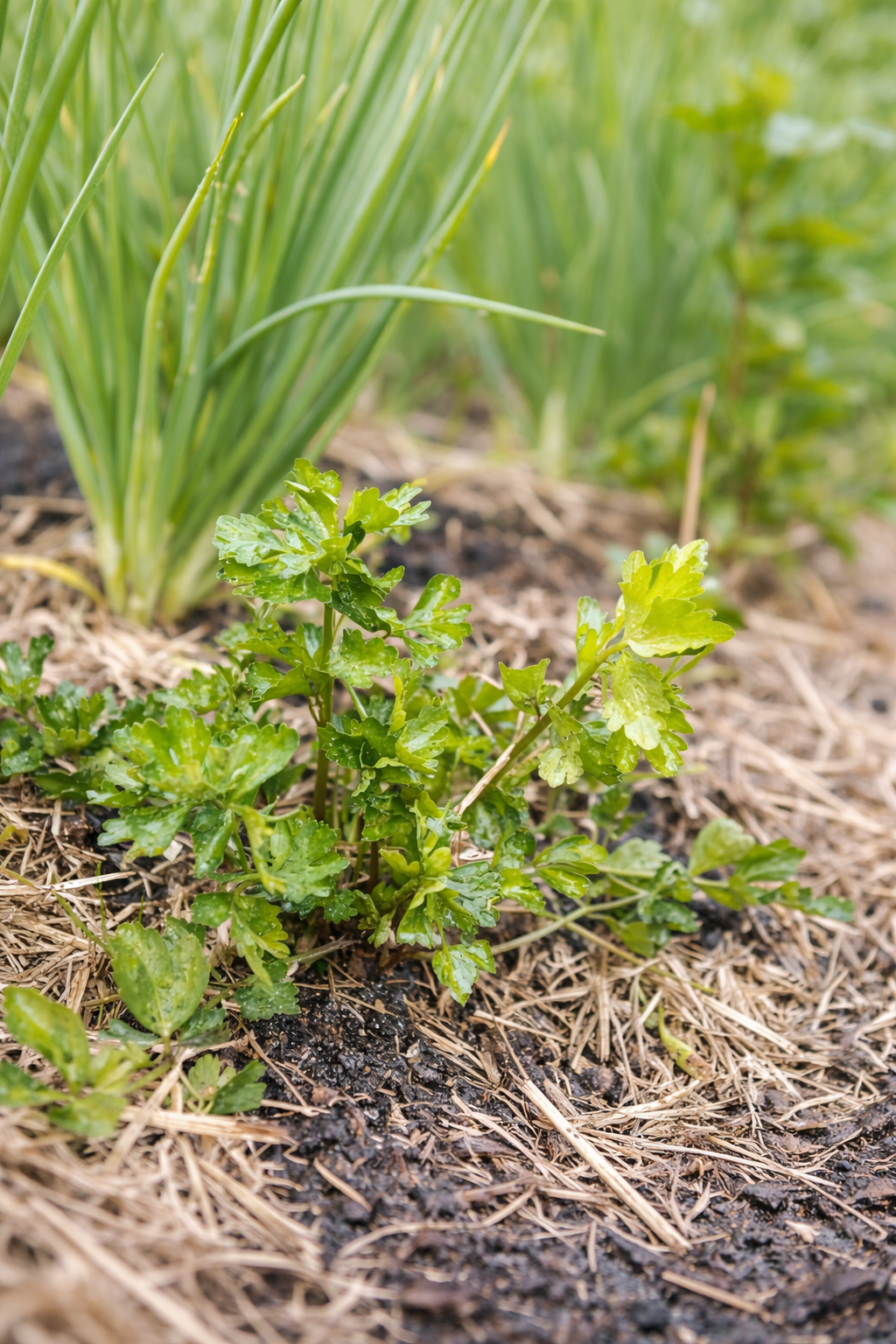
Growing Celery in Raised Beds
Since you’re planning raised beds, celery does especially well in:
- Deep compost-rich beds
- Areas with afternoon shade
- Spots that retain moisture
Celery pairs well with onions, leeks, spinach, and brassicas.
Final Thoughts
Celery may not be the fastest crop, but it’s one of the most rewarding. With steady moisture, rich soil, and a little patience, you’ll harvest crisp, flavorful stalks perfect for your kitchen.