If there’s one cool-season vegetable that earns its place in the garden every year, it’s broccoli. Crisp, nutrient-dense, and surprisingly easy to grow, broccoli thrives when many other crops struggle. Whether you’re planting your first raised bed or fine-tuning a backyard vegetable garden, learning how to grow broccoli the right way means bigger heads, sweeter flavor, and fewer pests. This complete guide walks you through when to plant broccoli, how to care for it, and how to harvest it for maximum yield—all with simple, proven techniques that work.
Why Grow Broccoli at Home?
Homegrown broccoli has a noticeably sweeter, fresher flavor than store-bought—and it’s packed with vitamins C, K, and fiber. It’s also a generous producer: harvest the main head once, and many varieties continue producing tender side shoots for weeks.
Benefits of growing broccoli:
- Thrives in cool weather
- High nutritional value
- One plant = multiple harvests
- Grows well in raised beds and containers
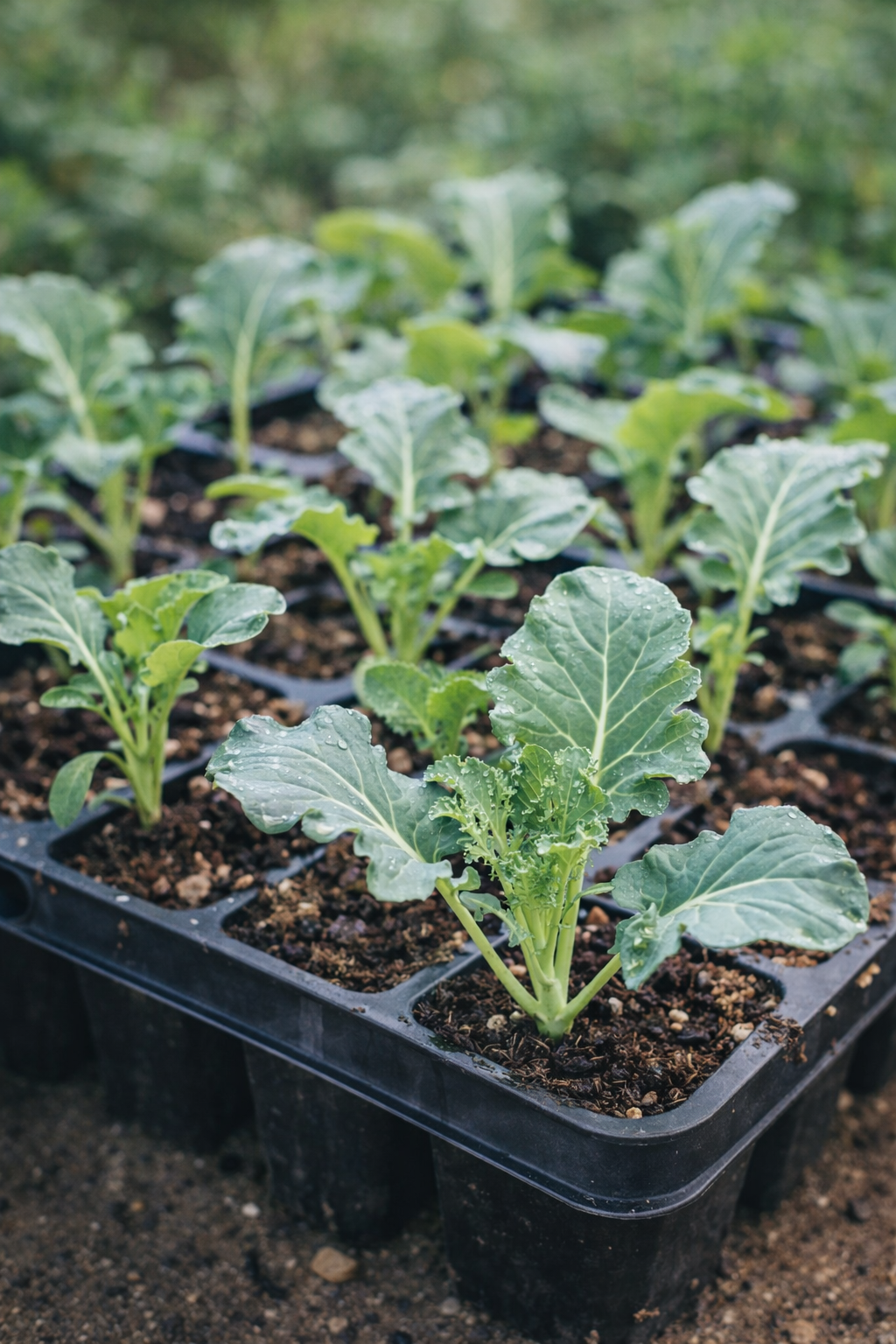
When to Plant Broccoli
Broccoli is a cool-season crop and grows best when temperatures stay between 60–70°F.
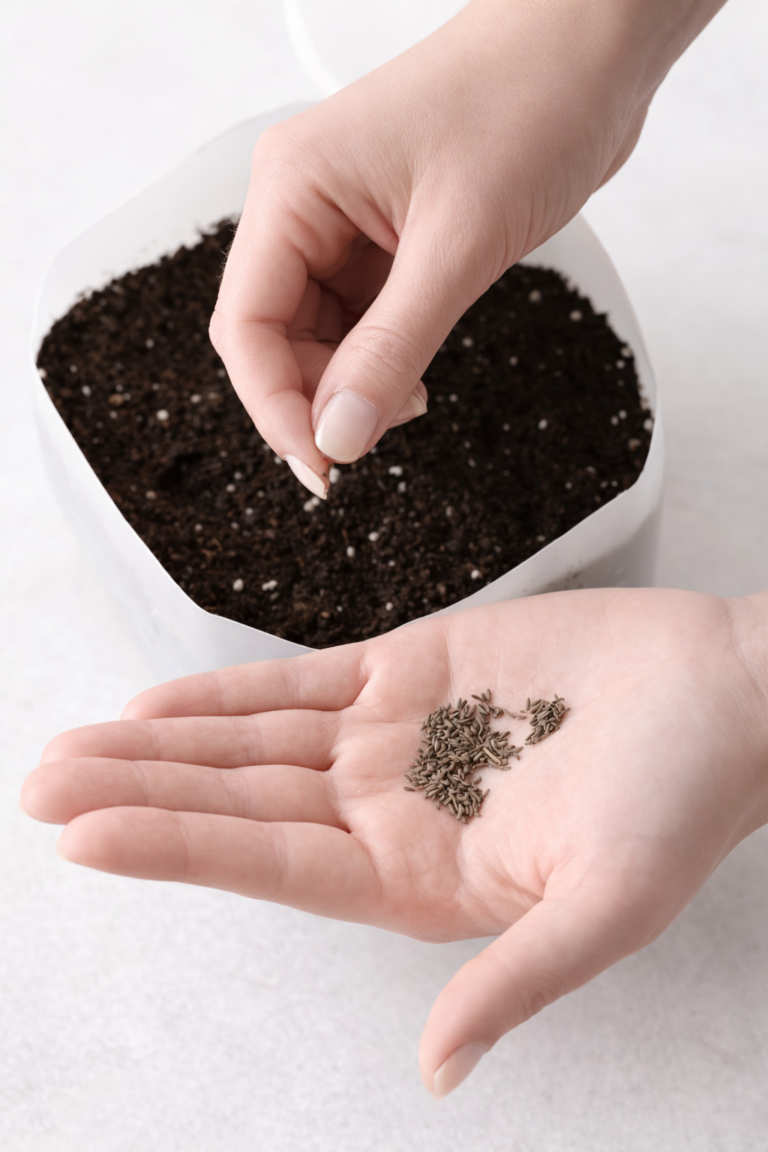
- Spring planting: Start seeds indoors 6–8 weeks before your last frost date. Transplant outside 2–3 weeks before the last frost.
- Fall planting: Start seeds in mid-summer and transplant 10–12 weeks before your first expected frost.
Fall broccoli often produces the sweetest heads due to cooler nights.
Where to Grow Broccoli
Choose a spot with:
- Full sun (at least 6 hours daily)
- Well-draining soil
- Protection from strong winds
Broccoli grows exceptionally well in raised beds, where soil warms evenly and drains well.
Soil Preparation for Broccoli
Healthy soil is the foundation of great broccoli.
Ideal soil conditions:
- pH between 6.0–7.0
- Rich in organic matter
- Loose and well-draining
Before planting, amend soil with:
- Finished compost
- A balanced organic fertilizer
- A light dusting of worm castings
How to Plant Broccoli
- Space plants 18–24 inches apart
- Plant seedlings deep—up to the first set of leaves
- Water thoroughly after planting
Mulch around plants with straw or shredded leaves to:
- Keep roots cool
- Retain moisture
- Suppress weeds
Watering & Feeding Broccoli
Broccoli needs consistent moisture to form tight heads.
- Water deeply 1–1.5 inches per week
- Avoid letting soil dry out completely
- Feed every 2–3 weeks with:
- Compost tea
- Fish emulsion
- Balanced vegetable fertilizer
Uneven watering can cause small or bitter heads, so consistency matters.
Common Broccoli Pests & Problems
Watch for:
- Cabbage worms
- Aphids
- Flea beetles
Organic pest control tips:
- Cover plants with insect netting
- Hand-pick caterpillars
- Use neem oil or insecticidal soap as needed
Yellowing leaves often signal nitrogen deficiency—feed promptly.
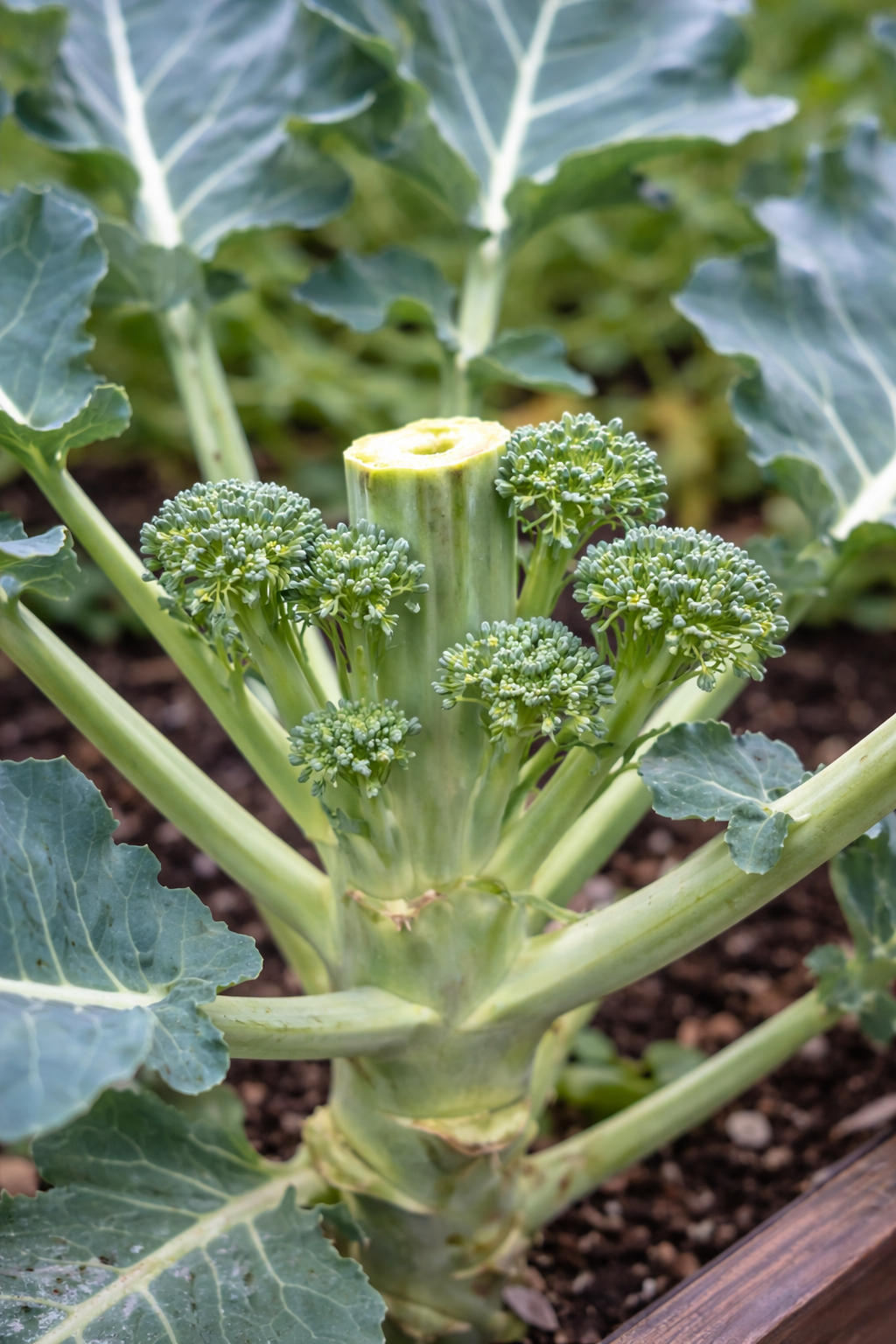
When & How to Harvest Broccoli
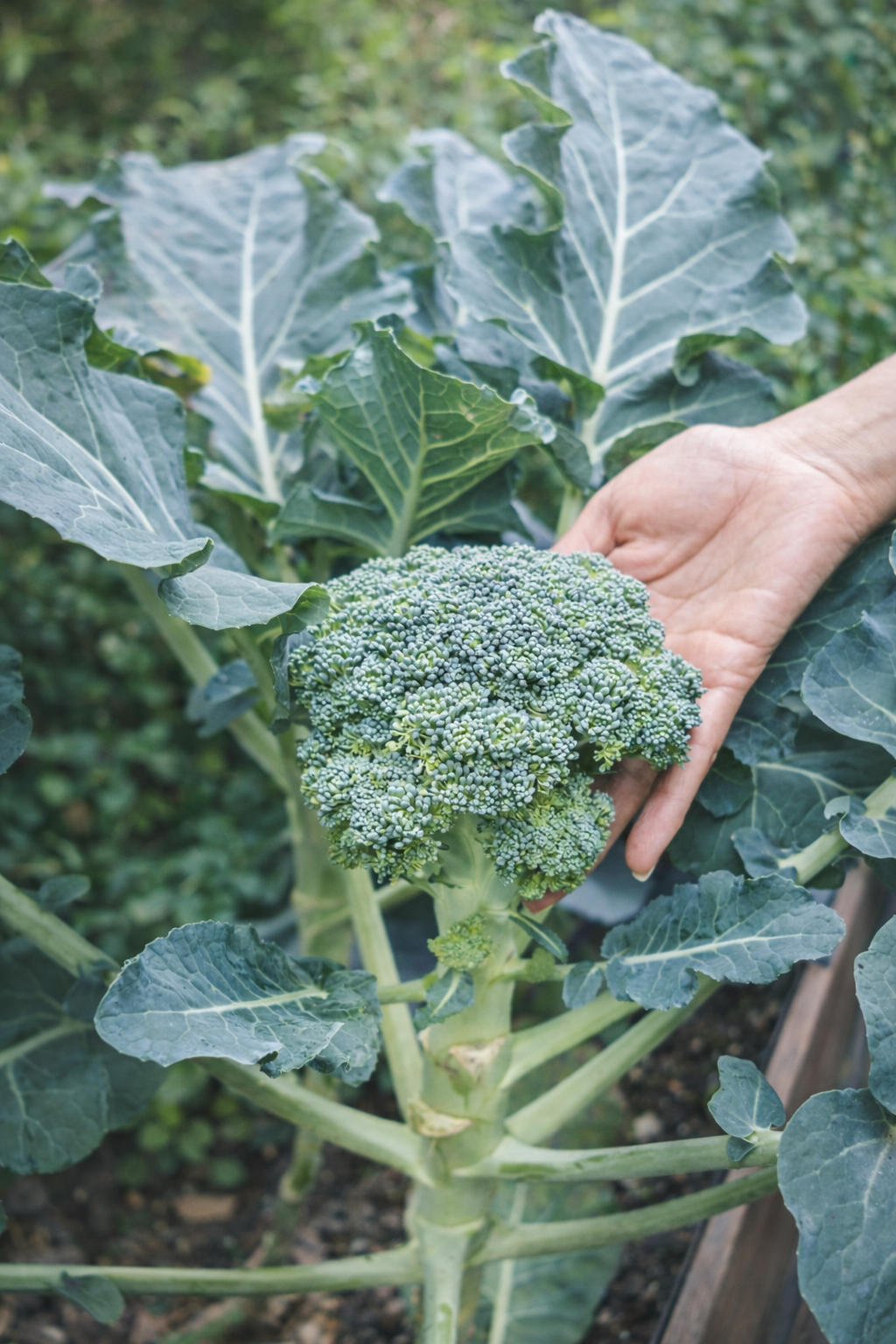
Harvest when the main head is:
- Firm and tight
- Deep green
- Before flowers open
Cut the main head at an angle, leaving several inches of stem. Don’t pull the plant! Most varieties will continue producing side shoots for weeks after the main harvest.
Can You Grow Broccoli in Containers?
Yes! Choose:
- A container at least 12–16 inches deep
- High-quality potting mix
- Regular feeding and watering
Container broccoli does especially well on patios during spring and fall.
Broccoli Growing Tips for Bigger Harvests
- Keep soil cool with mulch
- Harvest early in the morning
- Shade plants during unexpected heat
- Plant succession crops for extended harvests
Best Companion Plants for Broccoli (What to Plant Nearby for Bigger Harvests)
Choosing the right companion plants for broccoli can improve growth, reduce pests, and make better use of garden space. Broccoli is a heavy feeder and a cool-season crop, so it does best alongside plants that either repel pests, improve soil health, or don’t compete for nutrients.
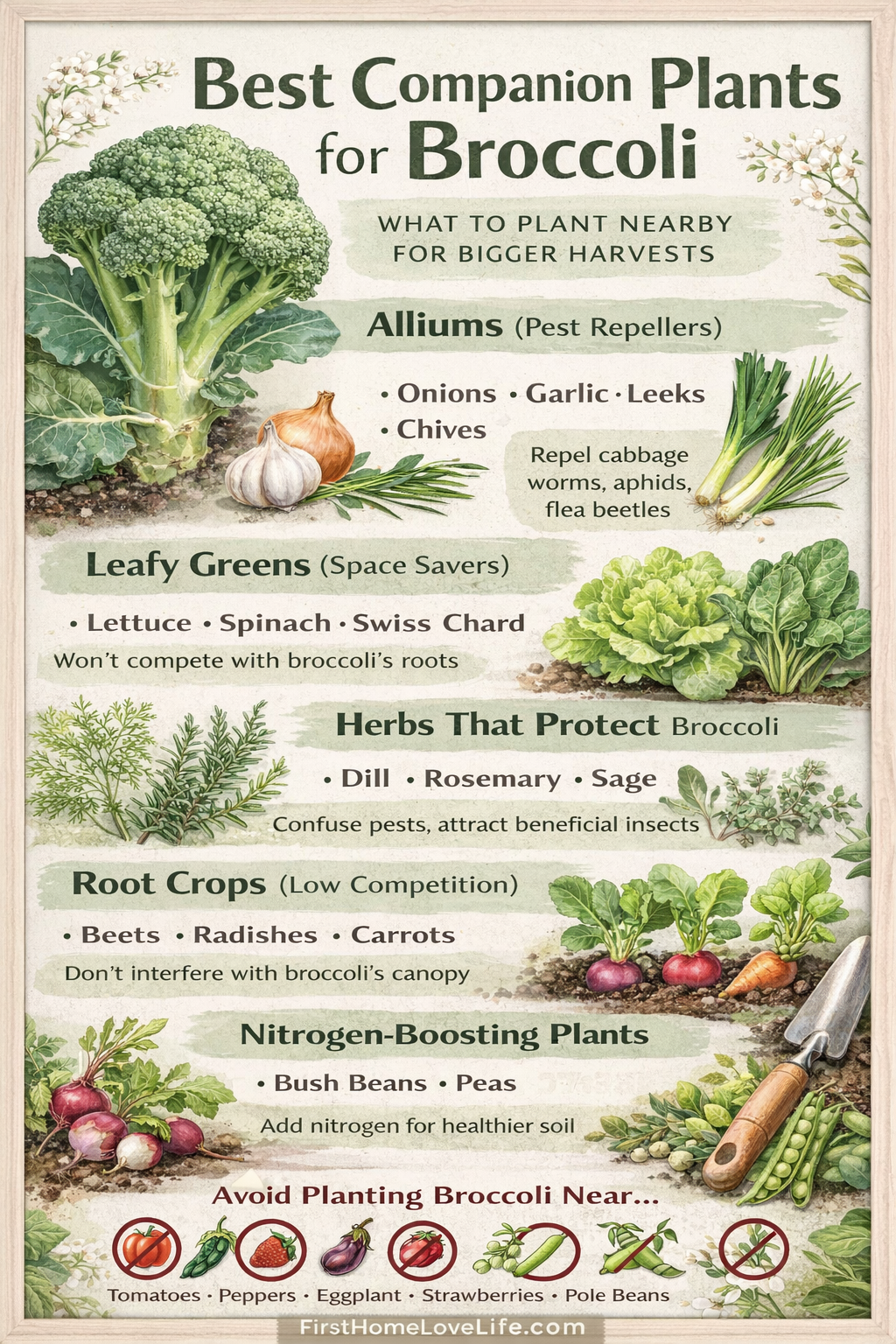
🌱 Best Companion Plants for Broccoli
Alliums (Pest Repellers)
- Onions
- Garlic
- Leeks
- Chives
Alliums naturally repel cabbage worms, aphids, and flea beetles—some of broccoli’s biggest problems.
Leafy Greens (Space Savers)
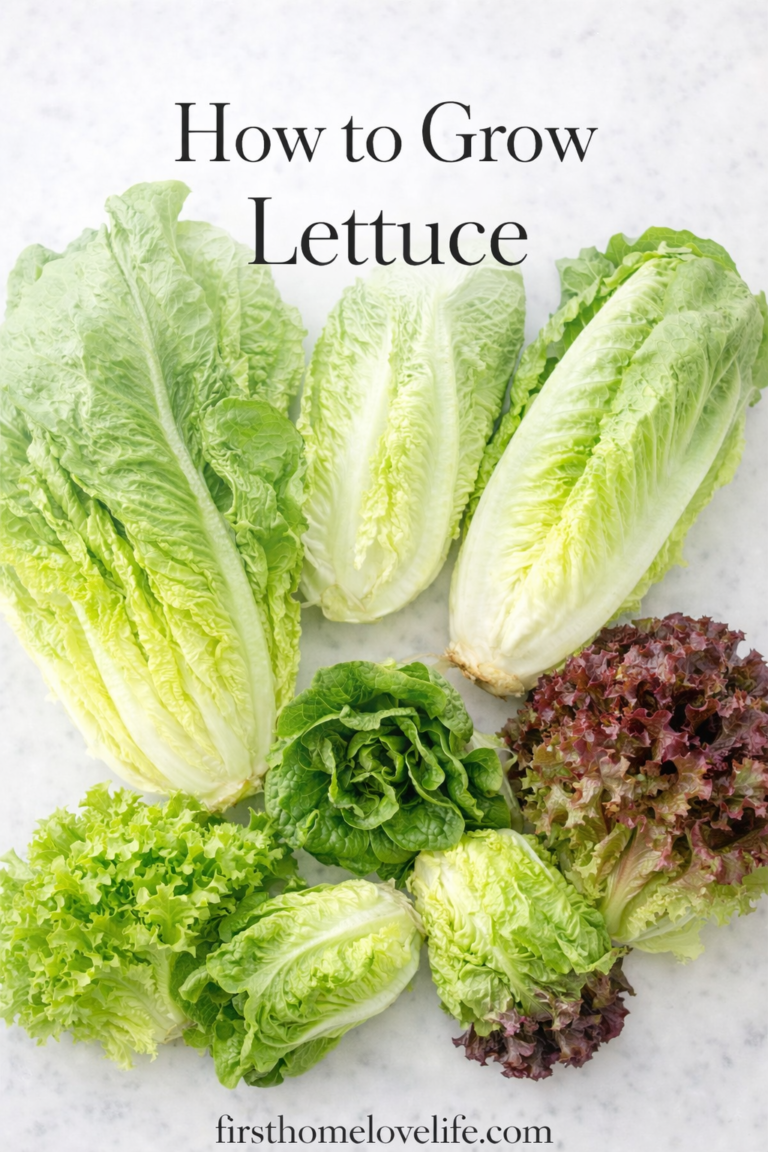
- Lettuce
- Spinach
- Swiss chard
These shallow-rooted greens grow quickly and won’t compete with broccoli’s deeper root system, making them perfect for interplanting.
Herbs That Protect Broccoli
- Dill
- Rosemary
- Sage
- Thyme
These herbs confuse pests and attract beneficial insects like ladybugs and lacewings.
Root Crops (Low Competition)
- Beets
- Radishes
- Carrots
Root vegetables grow beneath the soil without interfering with broccoli’s canopy, helping maximize garden space.
Nitrogen-Boosting Plants
- Bush beans
- Peas
Legumes improve soil nitrogen, which broccoli loves—just keep spacing generous so airflow stays strong.
Plants to Avoid Near Broccoli
Some plants compete heavily for nutrients or attract the same pests.
Avoid planting broccoli near:
- Tomatoes
- Peppers
- Eggplant
- Strawberries
- Pole beans
These can stunt broccoli growth or increase pest pressure.
🌿 Companion Planting Tips for Broccoli
- Give broccoli plenty of airflow to prevent disease
- Don’t overcrowd—broccoli needs space
- Rotate crops yearly to prevent soil depletion
- Mulch well to keep roots cool and moist
Why Companion Planting Works for Broccoli
Companion planting helps:
- Reduce pests naturally
- Improve soil health
- Increase yields
- Create a more balanced garden ecosystem
When planned well, your broccoli plants will grow stronger, produce larger heads, and continue sending up side shoots for weeks.
Growing broccoli at home is one of the most rewarding ways to stretch your garden season and your grocery budget. With cool weather, healthy soil, and a little consistency, you’ll be harvesting crisp, flavorful heads—and plenty of side shoots—right from your own backyard. Whether you’re growing broccoli in raised beds, containers, or a traditional garden row, this dependable crop proves that fresh, homegrown food really does taste better.