There’s nothing better than walking outside and picking a warm, sun-ripened strawberry straight from the garden. Strawberries are one of the easiest fruits to grow at home, and they thrive beautifully in Zone 5. Whether you plant them in raised beds, containers, or directly in the ground, this guide will walk you through everything you need to know.
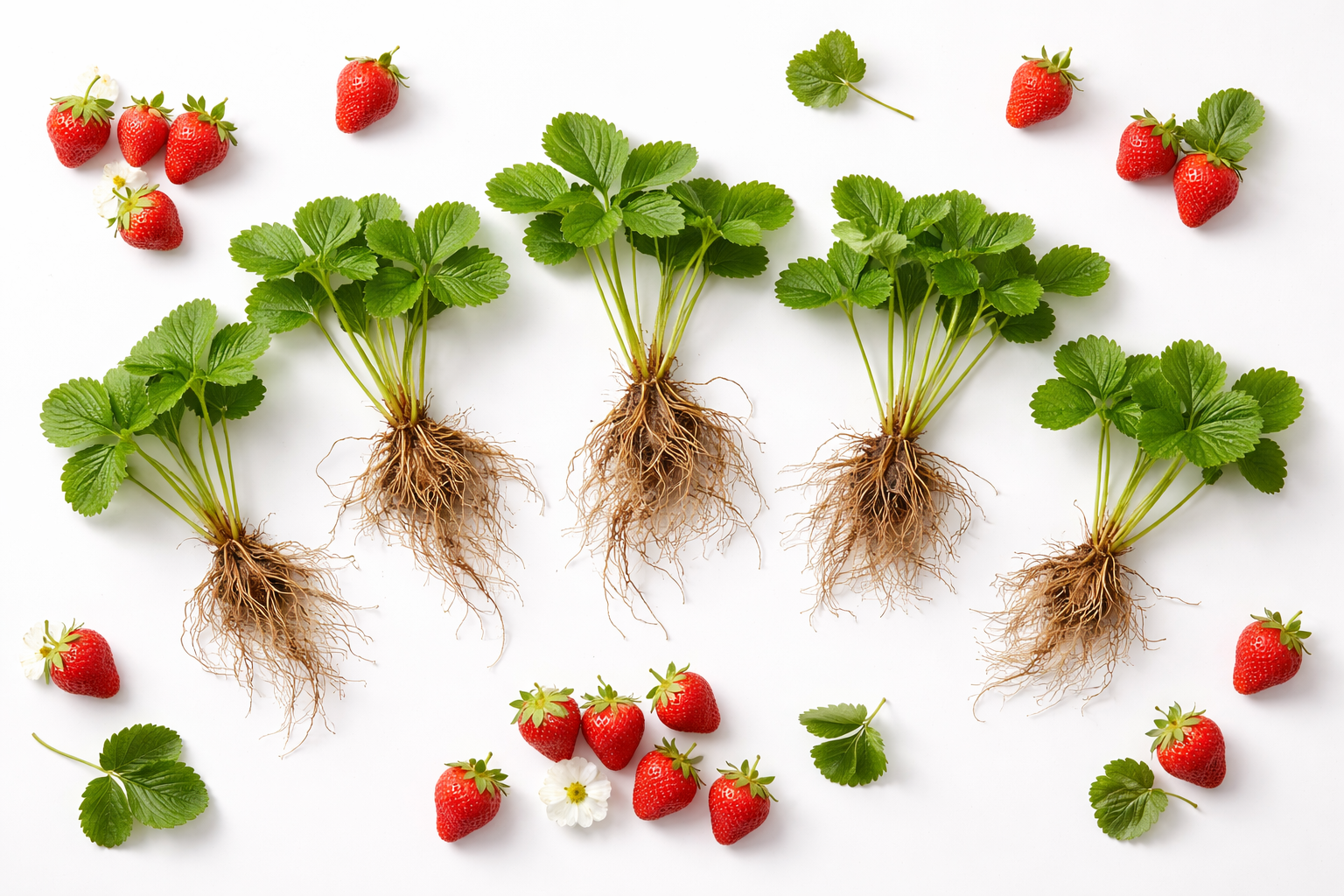
Why Grow Strawberries?
- Easy for beginners
- Great for small spaces and raised beds
- Perennials that produce for years
- Perfect for fresh eating, jam, baking, and freezing
Strawberries are hardy, productive, and incredibly rewarding.
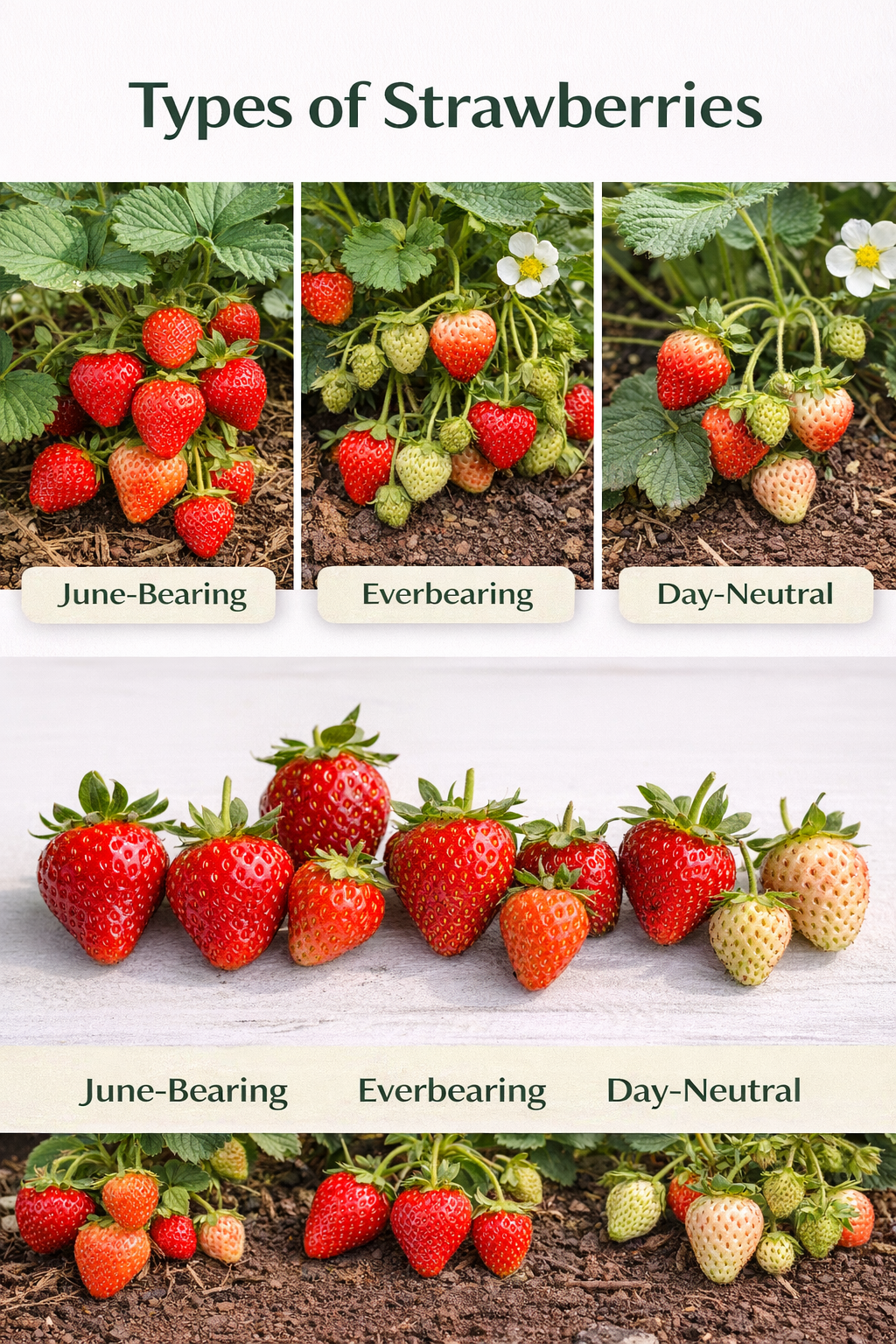
Types of Strawberries
Before planting, choose the right type:
1. June-Bearing
- Produce one large harvest in late spring/early summer
- Best for jam-making and preserving
- Most common type
2. Everbearing
- Produce 2–3 smaller harvests (spring, summer, fall)
- Great for steady fresh eating
3. Day-Neutral
- Produce continuously throughout the growing season
- Ideal for small gardens and containers
For a 50×50 ft garden layout with raised beds, mixing June-bearing and day-neutral varieties gives you both a big harvest and steady production.
When to Plant Strawberries (Zone 5)
- Early spring (April–May) is ideal
- Plant as soon as soil can be worked
- Avoid planting during extreme heat
Strawberries need time to establish before summer heat hits.
Choosing the Right Location
Strawberries need:
- 6–8 hours of full sun
- Well-draining soil
- Slightly acidic soil (pH 5.5–6.8)
- Good airflow
Avoid planting where tomatoes, peppers, eggplant, or potatoes were grown in the past 3 years (to prevent disease).
How to Plant Strawberries
Step 1: Prepare the Soil
Mix in compost and aged manure. Strawberries love rich, organic soil.
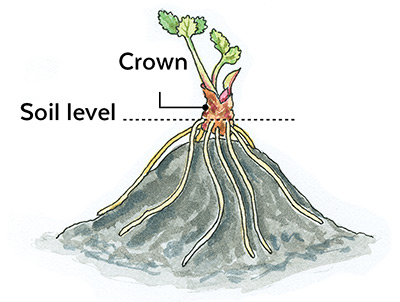
Step 2: Plant at the Right Depth
- Keep the crown level with the soil surface
- Roots should be spread out, not bunched
Planting too deep causes rot. Too shallow dries roots out.
Step 3: Space Properly
- 12–18 inches apart
- Rows 18–24 inches apart
Strawberries spread through runners, so give them room.
Step 4: Mulch
Add straw mulch around plants to:
- Prevent weeds
- Keep berries clean
- Retain moisture
- Protect roots in winter
Straw mulch is especially important in cold Zone 5 winters.
Watering & Fertilizing
- Water 1–1.5 inches per week
- Keep soil consistently moist but not soggy
- Fertilize lightly after harvest
Avoid overfeeding nitrogen — it leads to lush leaves but fewer berries.
Removing Flowers the First Year
This is hard but important!
- Pinch off flowers the first year (especially June-bearing)
- Allows plants to build strong roots
- Results in bigger harvests the following year
Day-neutral varieties can produce lightly their first year if planted early.
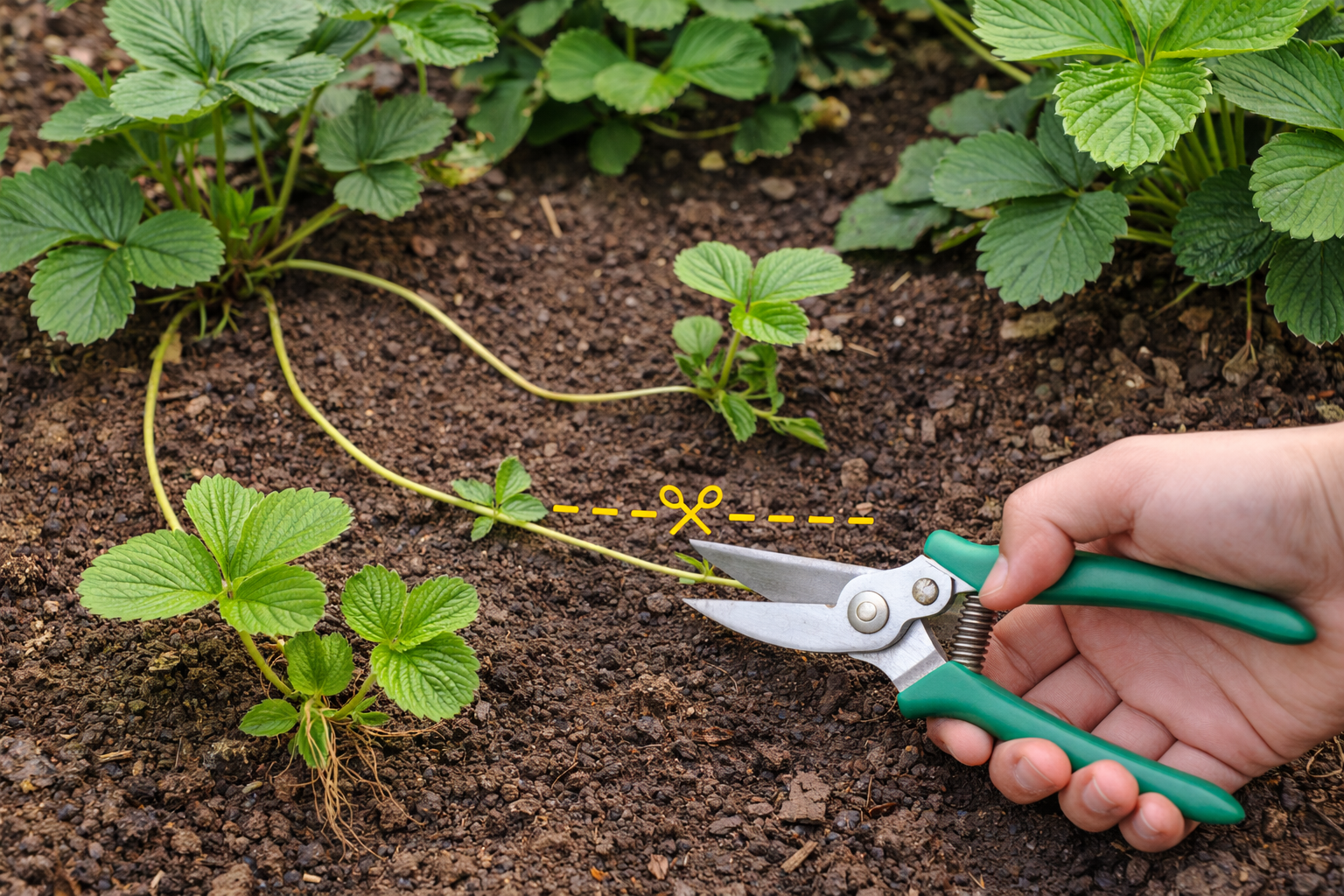
Managing Runners
Strawberries send out “runners” (baby plants).
You can:
- Let them fill in a bed for higher yields
- Trim them to focus energy on fruit production
- Transplant them to expand your patch
In a raised bed system, controlled runner management keeps things tidy.
Winter Care (Zone 5)
After several hard frosts:
- Add 3–4 inches of straw mulch
- Cover crowns completely
- Remove mulch gradually in early spring
This protects roots from freeze-thaw cycles.
Common Strawberry Problems
- Birds – Use netting
- Slugs – Use diatomaceous earth or traps
- Gray mold – Improve airflow
- Small berries – Usually overcrowding or lack of nutrients
Rotate beds every 3–4 years to prevent disease buildup.
Growing Strawberries in Containers
Strawberries grow beautifully in:
- Hanging baskets
- Strawberry towers
- Raised beds
- Whiskey barrels
Use high-quality potting mix and ensure excellent drainage.
How Long Do Strawberry Plants Last?
Strawberry plants produce best for 3–4 years. After that, yields decline. Refresh your patch by replanting runners in a new location.
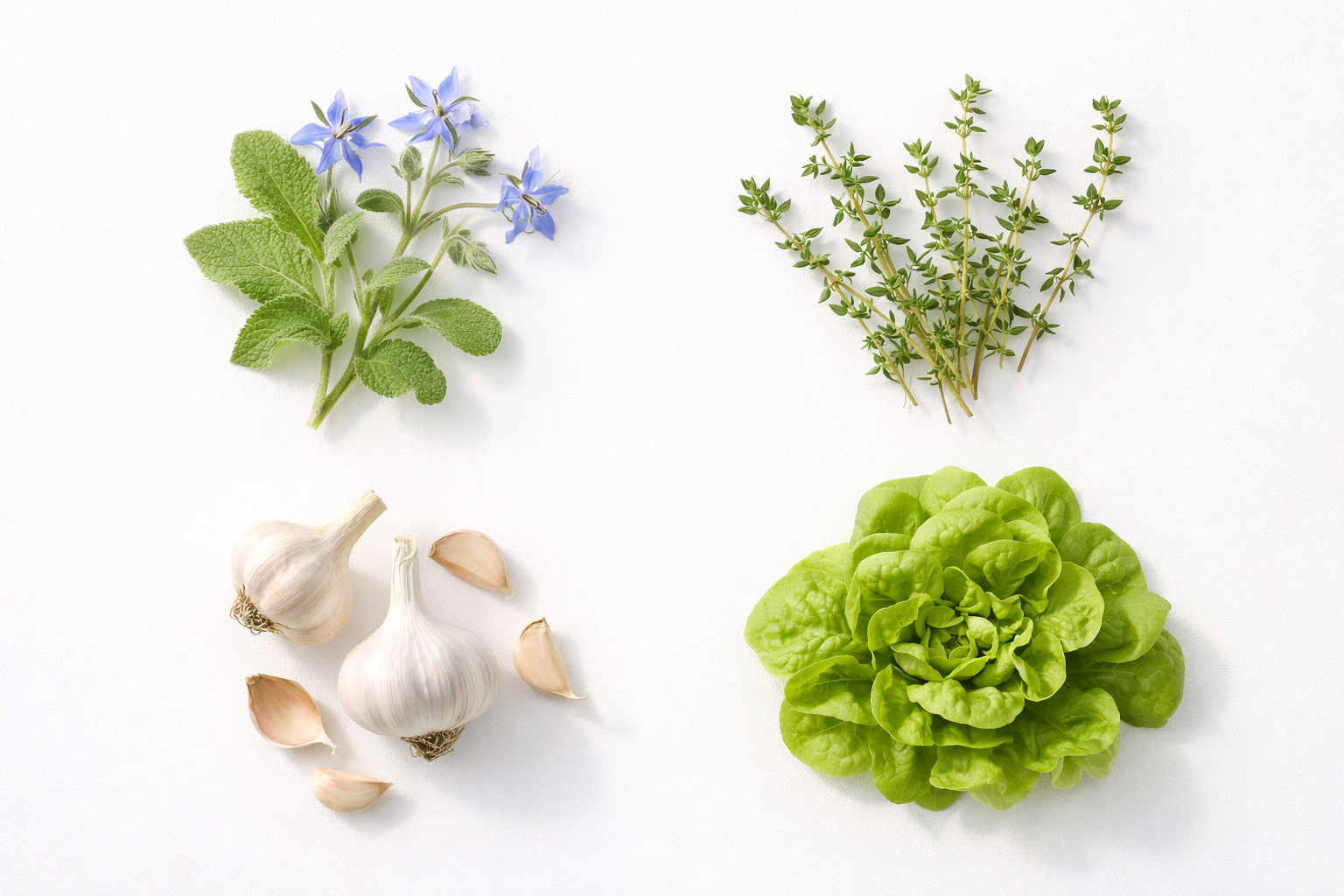
🌿 Best Companion Plants for Strawberries
1. Borage
- Attracts pollinators
- Improves flavor
- Repels pests
2. Lettuce
- Shallow roots
- Maximizes garden space
- Helps shade soil
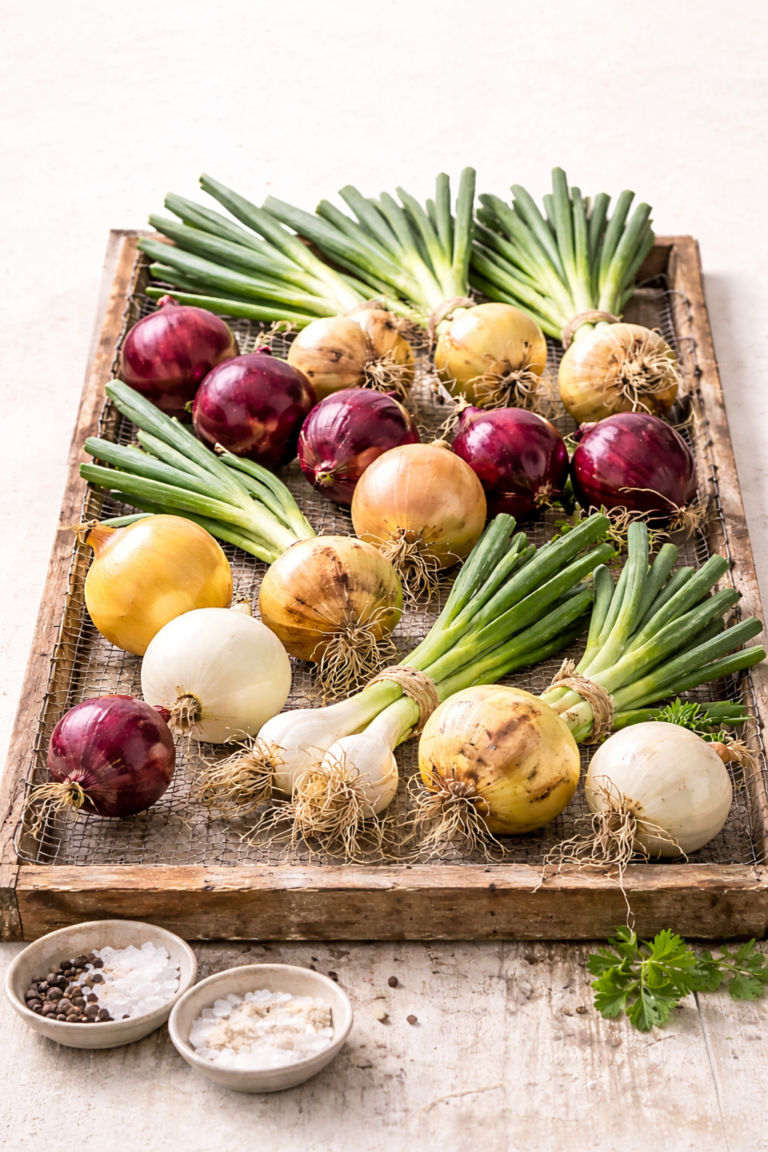
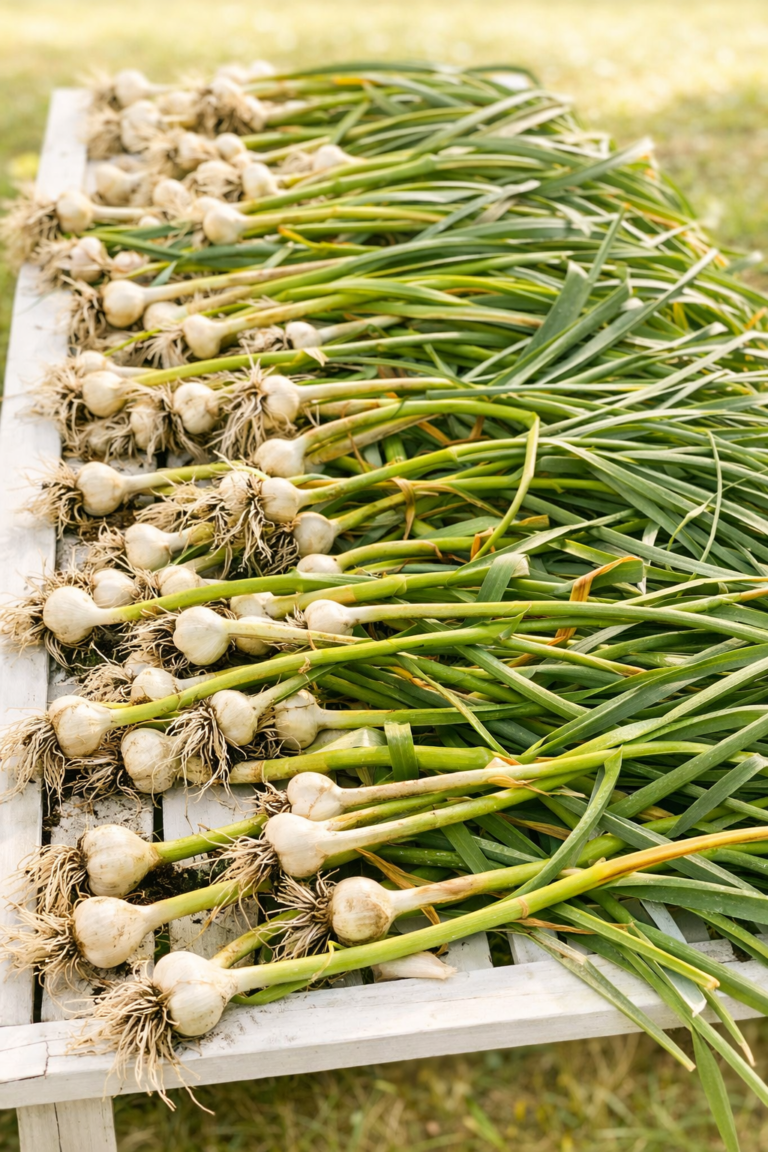
3. Garlic & Onions
- Deter spider mites and aphids
- Natural pest control
4. Thyme
- Acts as living mulch
- Suppresses weeds
- Attracts beneficial insects
❌ What NOT to Plant Near Strawberries
Avoid planting strawberries near:
- Tomatoes
- Peppers
- Eggplant
- Potatoes
- Cabbage
These can spread diseases like verticillium wilt.
🪴 Companion Layout Idea for a 4×8 Raised Bed
If you’re using your raised bed garden layout:
Front border: Thyme
Center rows: Strawberries
Ends of bed: Garlic
Between plants: Lettuce early in season
This maximizes space and boosts productivity.
Harvesting Strawberries
- Pick when fully red
- Harvest in the morning
- Gently twist, don’t pull
Fresh strawberries last 2–3 days in the fridge but are best eaten the same day.
Final Thoughts
Growing strawberries is one of the simplest ways to add perennial fruit to your garden. With proper planting, mulching, and winter protection, you’ll enjoy sweet harvests for years.
If you’re planning out raised beds in your garden space, dedicating one or two beds to strawberries is absolutely worth it. Once established, they practically reward you with minimal effort.