Cabbage is one of the most rewarding cool-season crops you can grow. It’s hardy, productive, and stores beautifully — making it perfect for home gardeners who want fresh food from early spring through late fall.
If you’re gardening in Zone 5, cabbage is especially ideal because it thrives in cool weather and can handle light frosts with ease.
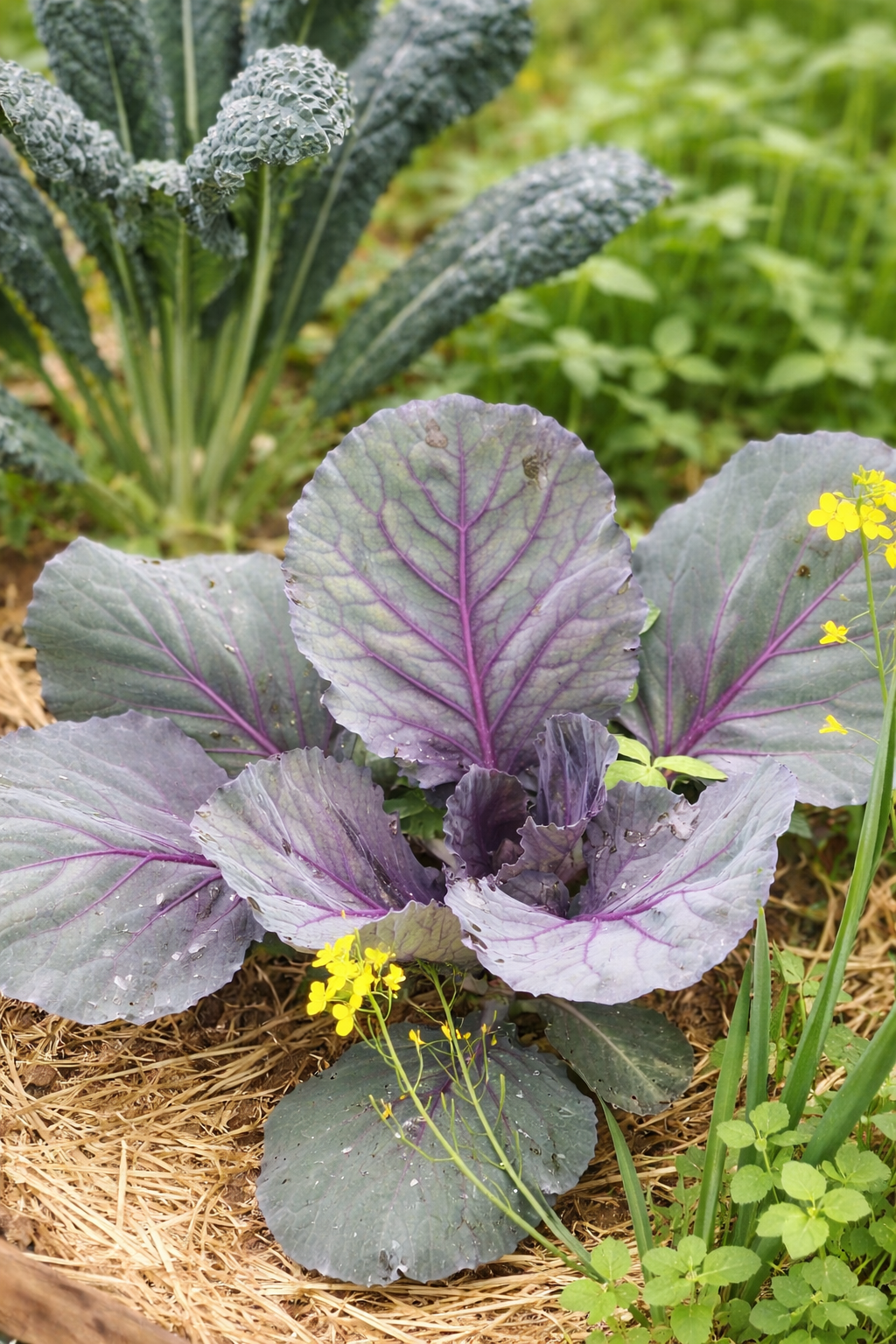
Why Grow Cabbage?
- Cold-hardy and frost-tolerant
- Stores for months in a root cellar
- Great for sauerkraut, coleslaw, soups, and roasting
- Excellent crop for spring and fall planting
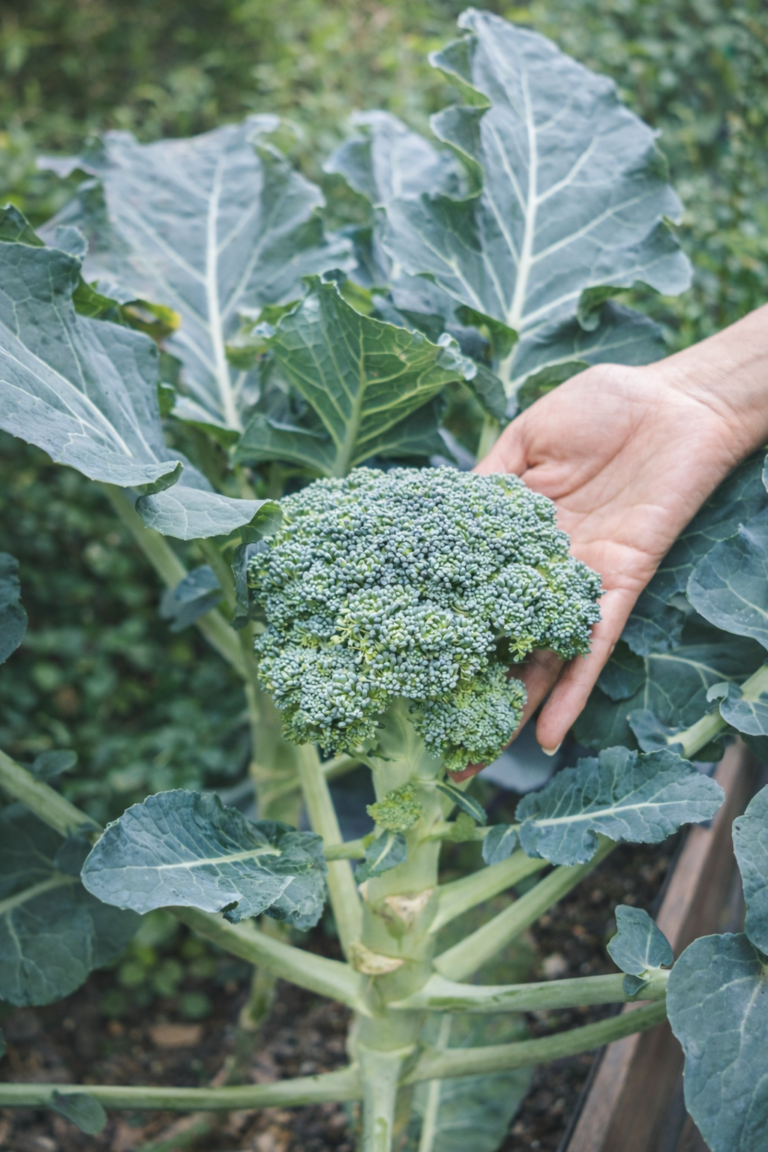
Cabbage belongs to the brassica family (along with broccoli, kale, and Brussels sprouts) and grows best in consistent, cool conditions.
Types of Cabbage to Grow
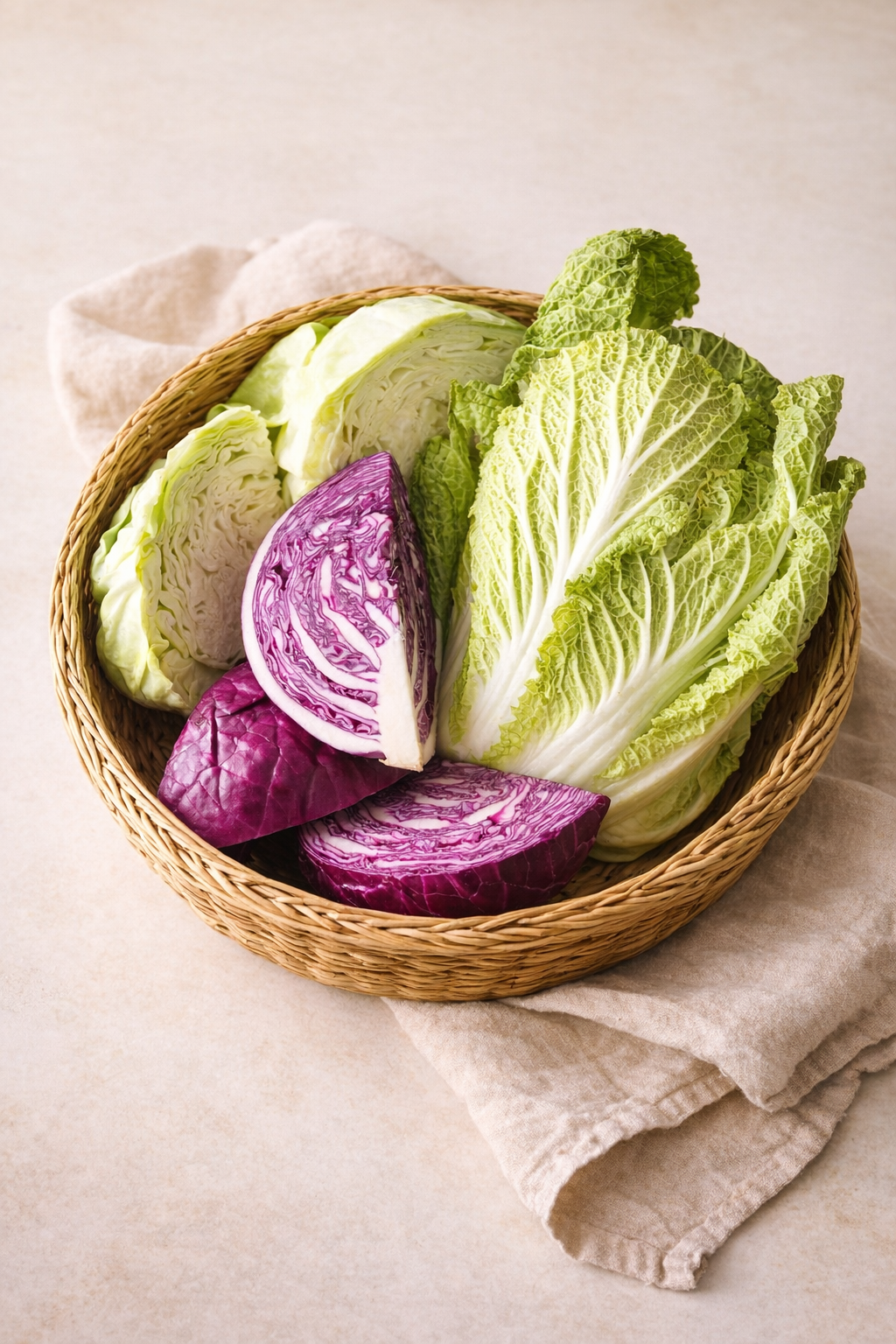
1. Green Cabbage
The classic tight, round head. Perfect for coleslaw and sauerkraut.
2. Red Cabbage
Slightly denser with a peppery flavor. Beautiful in salads.
3. Savoy Cabbage
Crinkled, tender leaves. Excellent for wraps and soups.
4. Napa (Chinese) Cabbage
Elongated heads with mild flavor. Great for stir-fries and kimchi.
When to Plant Cabbage (Zone 5 Timing)
In Upstate New York:
- Start seeds indoors: 6–8 weeks before your last frost (late March–early April)
- Transplant outdoors: 2–3 weeks before last frost (mid–late April)
- Fall crop: Start seeds in July and transplant in August
Cabbage prefers temperatures between 55–75°F. Too much heat can cause loose heads or bolting.
How to Plant Cabbage
1. Soil Preparation
Cabbage is a heavy feeder.
- Rich, well-draining soil
- pH between 6.0–7.0
- Mix in compost or aged manure before planting
2. Spacing
- Space plants 12–18 inches apart
- Rows 24 inches apart
- Give them room — crowded plants won’t form tight heads
3. Sunlight
Full sun (6+ hours daily) produces the best heads.
Watering & Feeding
Cabbage needs consistent moisture to prevent splitting and bitterness.
- 1–1.5 inches of water per week
- Mulch to retain moisture
- Side-dress with compost or organic fertilizer every 3–4 weeks
In your raised bed layout (like your 4×8 beds), I’d plant 8–10 cabbage plants per bed for proper airflow.
Companion Planting for Cabbage
Cabbage does well planted near:
Avoid planting near strawberries or pole beans.
Common Cabbage Problems
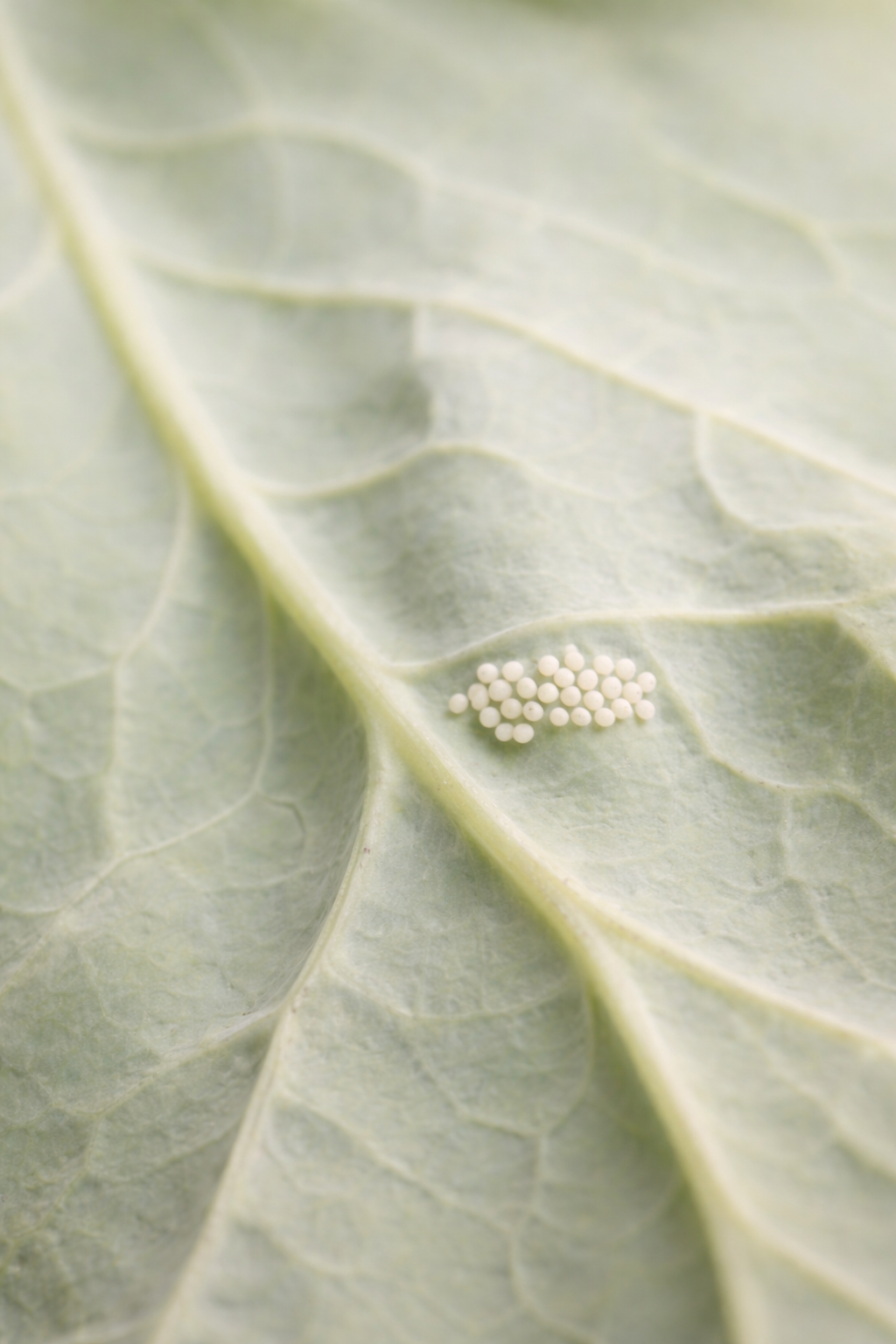
🐛 Cabbage Worms
White butterflies lay eggs on leaves.
Solution: Use floating row covers or hand-pick worms.
🟡 Yellow Leaves
Often nitrogen deficiency — feed with compost tea.
💥 Split Heads
Caused by inconsistent watering. Keep soil evenly moist.
When to Harvest
- Heads should feel firm and solid
- Cut at the base with a sharp knife
- Leave outer leaves if you want small secondary heads
Fall cabbage can tolerate frost and actually tastes sweeter after a light freeze.
How to Store Cabbage
- Refrigerate for up to 2 weeks
- Store whole heads in a root cellar (32–40°F) for 3–4 months
- Ferment into sauerkraut for long-term storage
Final Thoughts
Cabbage is one of those quiet, dependable garden crops. It doesn’t demand constant attention, and in cooler climates like ours, it absolutely thrives.
If you’re planning your 50×50 garden layout, cabbage makes a great early spring anchor crop — then you can succession plant something else after harvest.