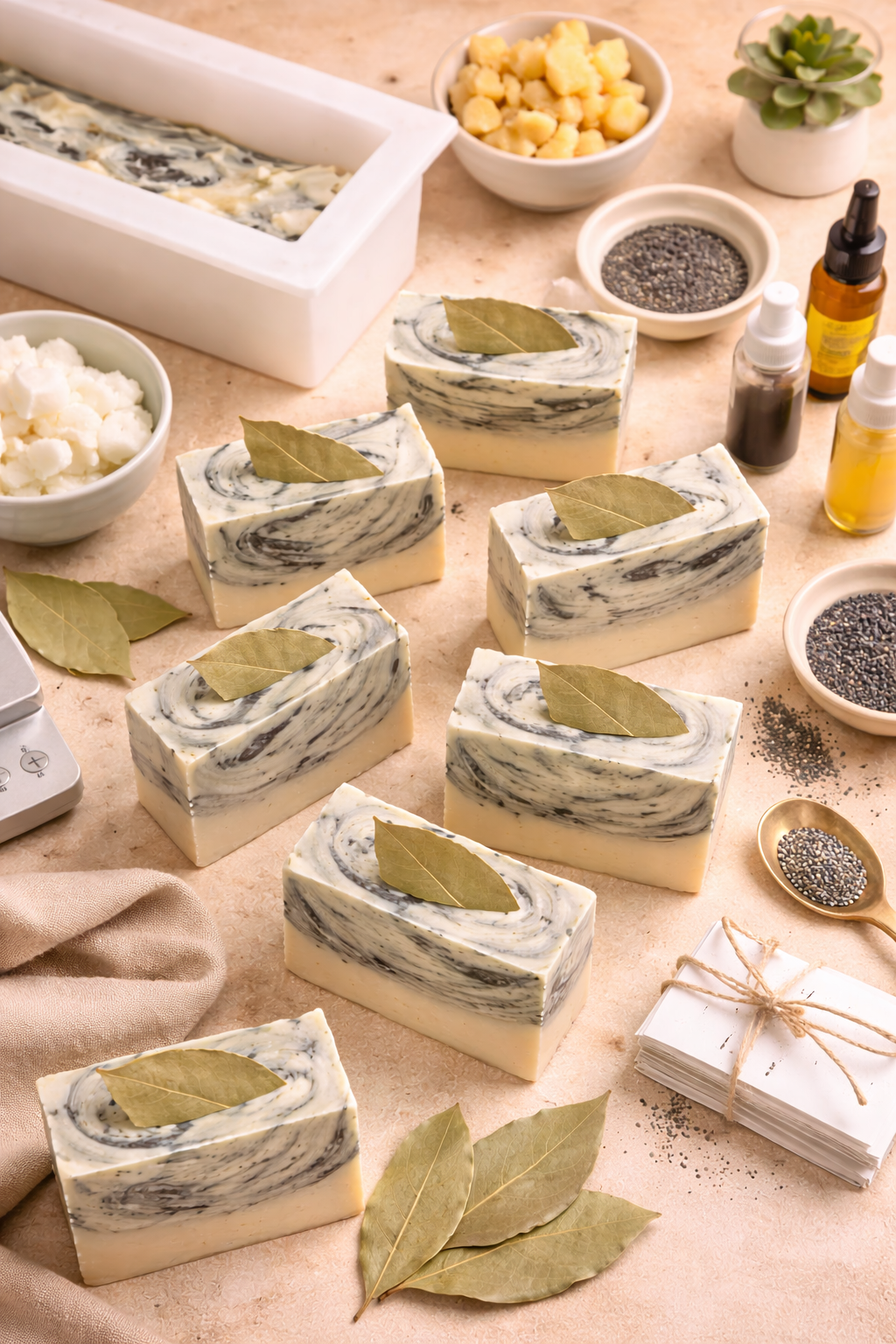
Making your own goat milk soap at home is one of the most rewarding homestead skills you can learn. It’s creamy, nourishing, and naturally gentle on sensitive skin — and once you make it yourself, you’ll never want store-bought again.
If you raise goats or have access to fresh milk, this is a beautiful way to use it. But even store-bought goat milk works perfectly.
Today I’m walking you through a simple cold process goat milk soap recipe that’s beginner-friendly and produces a rich, moisturizing bar every time.
Why Make Goat Milk Soap?
Goat milk soap is known for:
- Naturally moisturizing properties
- Gentle cleansing for sensitive skin
- Creamy lather
- Rich vitamins and fatty acids
- No harsh detergents
It’s a favorite for homesteaders, gardeners, and anyone wanting a more natural skincare routine.
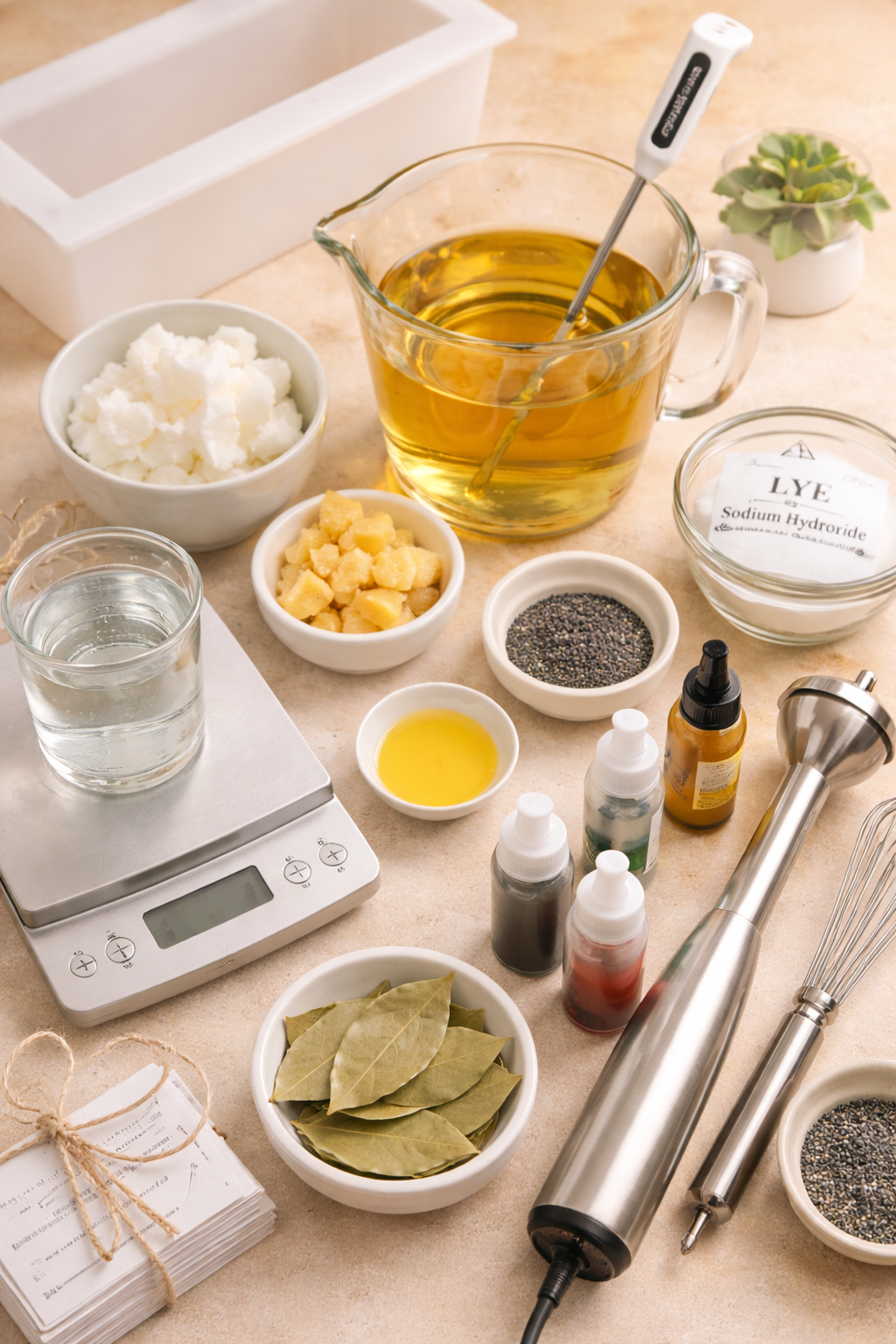
Supplies You’ll Need
- Digital kitchen scale
- Safety goggles
- Rubber gloves
- Stainless steel or heavy-duty plastic bowls
- Stick blender
- Silicone soap mold
- Thermometer
- Parchment paper
⚠️ Always use proper safety precautions when working with lye.
Ingredients
- 10 oz frozen goat milk (cubed)
- 4.5 oz lye (sodium hydroxide)
- 20 oz olive oil
- 10 oz coconut oil
- 5 oz castor oil
- Optional: essential oils (lavender, rosemary, or eucalyptus)
Step-by-Step Instructions
Step 1: Freeze the Goat Milk
Pour goat milk into ice cube trays and freeze solid. This prevents scorching when adding lye.
Step 2: Mix Lye & Milk
Slowly sprinkle lye into frozen milk cubes (never the other way around). Stir gently until dissolved. Keep temperature under 90–100°F to avoid discoloration.
Step 3: Melt Oils
Melt coconut oil, then combine with olive oil and castor oil. Allow oils to cool to about 90–100°F.
Step 4: Blend to Trace
Slowly pour lye mixture into oils. Use a stick blender until mixture reaches “trace” (pudding-like consistency).
Step 5: Add Fragrance (Optional)
Stir in essential oils if using.
Step 6: Pour into Mold
Pour into silicone mold and gently tap to release air bubbles.
Step 7: Cure
Let sit 24–48 hours before unmolding.
Cure bars in a cool, dry place for 4–6 weeks before use.
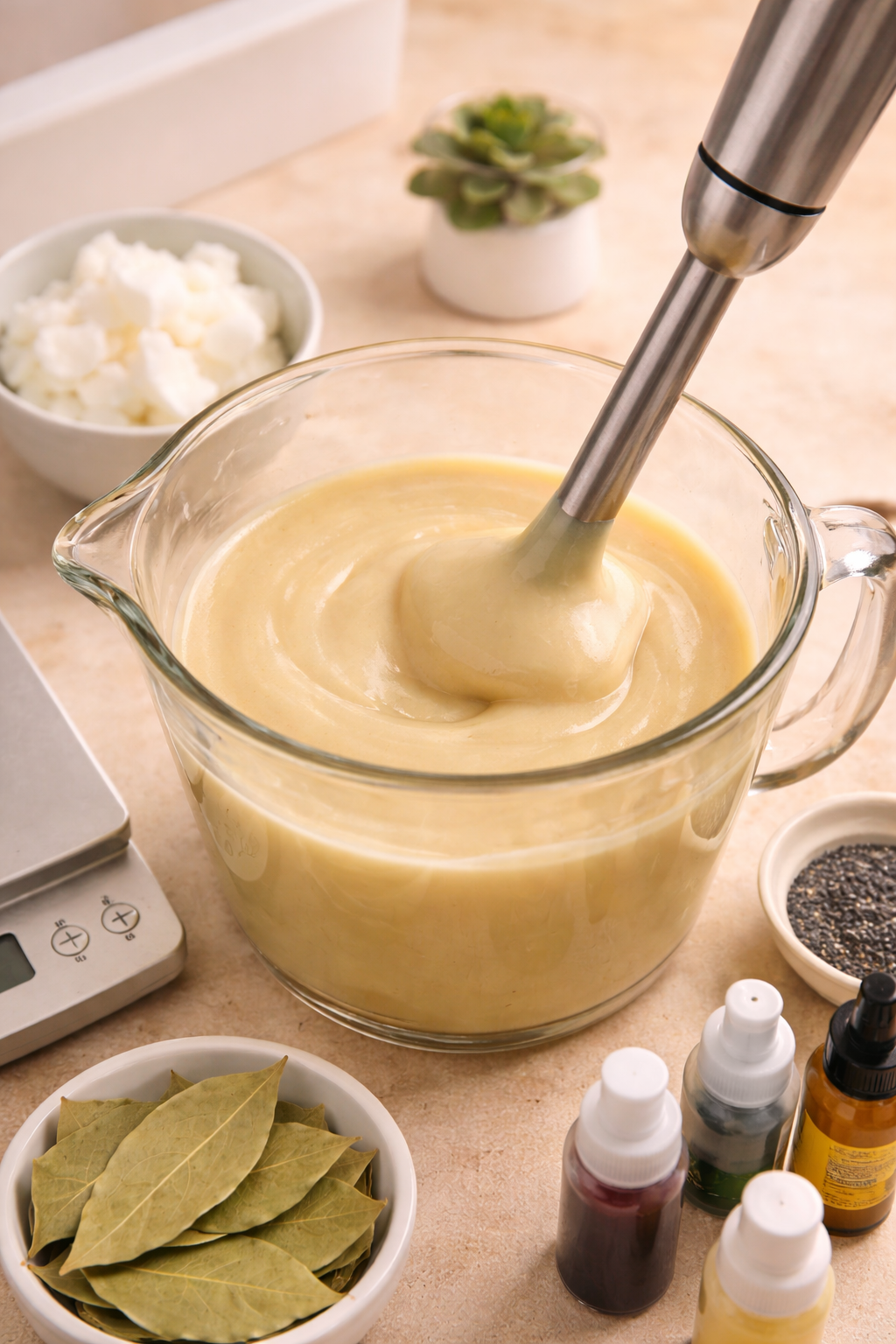
Tips for Creamy White Goat Milk Soap
- Keep temperatures low
- Use frozen milk
- Avoid overheating
- Do not insulate heavily
This helps maintain that beautiful creamy color instead of turning tan.
Storage
Store cured bars in a dry area with airflow. Properly cured soap lasts 1+ years.
Frequently Asked Questions
Is goat milk soap good for sensitive skin?
Yes — it’s known for being gentle and moisturizing.
Can I use store-bought goat milk?
Absolutely. Just freeze it first before mixing with lye.
Why does my soap turn brown?
Milk scorched due to high temperatures. Keep it cool during mixing.
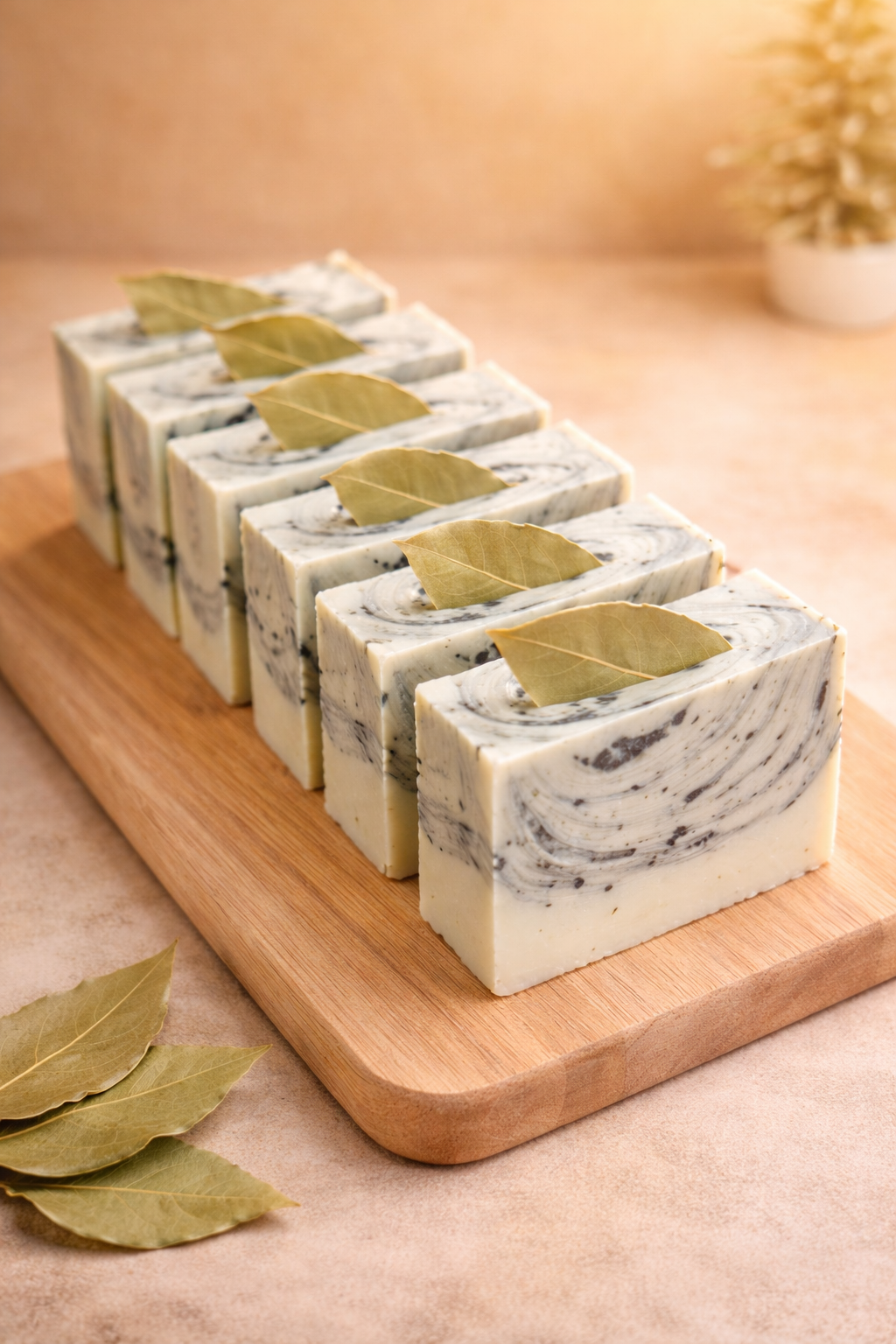
Final Thoughts
Learning how to make goat milk soap is one of those timeless skills that feels deeply satisfying — especially if you’re already embracing a more natural, from-scratch lifestyle.
Once you try it, you may never go back to commercial soap again.