Raising geese is one of the most rewarding additions to a backyard farm or homestead. They’re excellent weeders, natural lawn mowers, protective flock guardians, and dependable egg layers. Whether you’re raising them for eggs, meat, weed control, or simply their charming personalities, this complete guide will walk you through how to raise geese successfully.
Why Raise Geese?
Before diving in, here’s why so many homesteaders love them:
- Excellent pasture grazers (reduce feed costs)
- Natural weed control in gardens and orchards
- Loyal and protective flock animals
- Hardy in cold climates
- Large, nutrient-rich eggs
- Beautiful addition to a traditional farmhouse setting
If you’re in a colder region (like Zone 5), geese are especially well-suited since they tolerate winter beautifully with proper shelter.
Choosing the Right Goose Breed
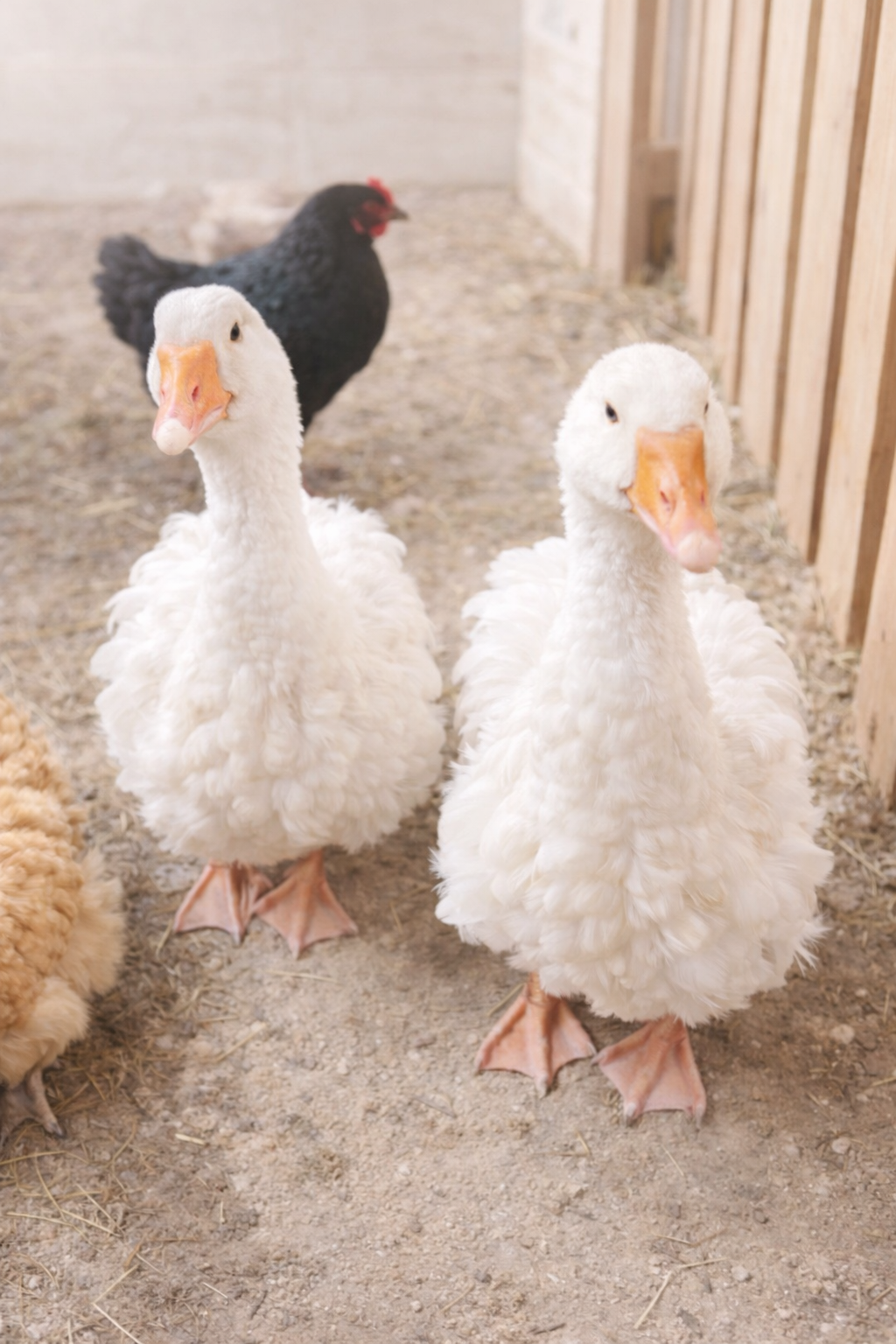
Raising Endangered Sebastopol Geese on Our Homestead
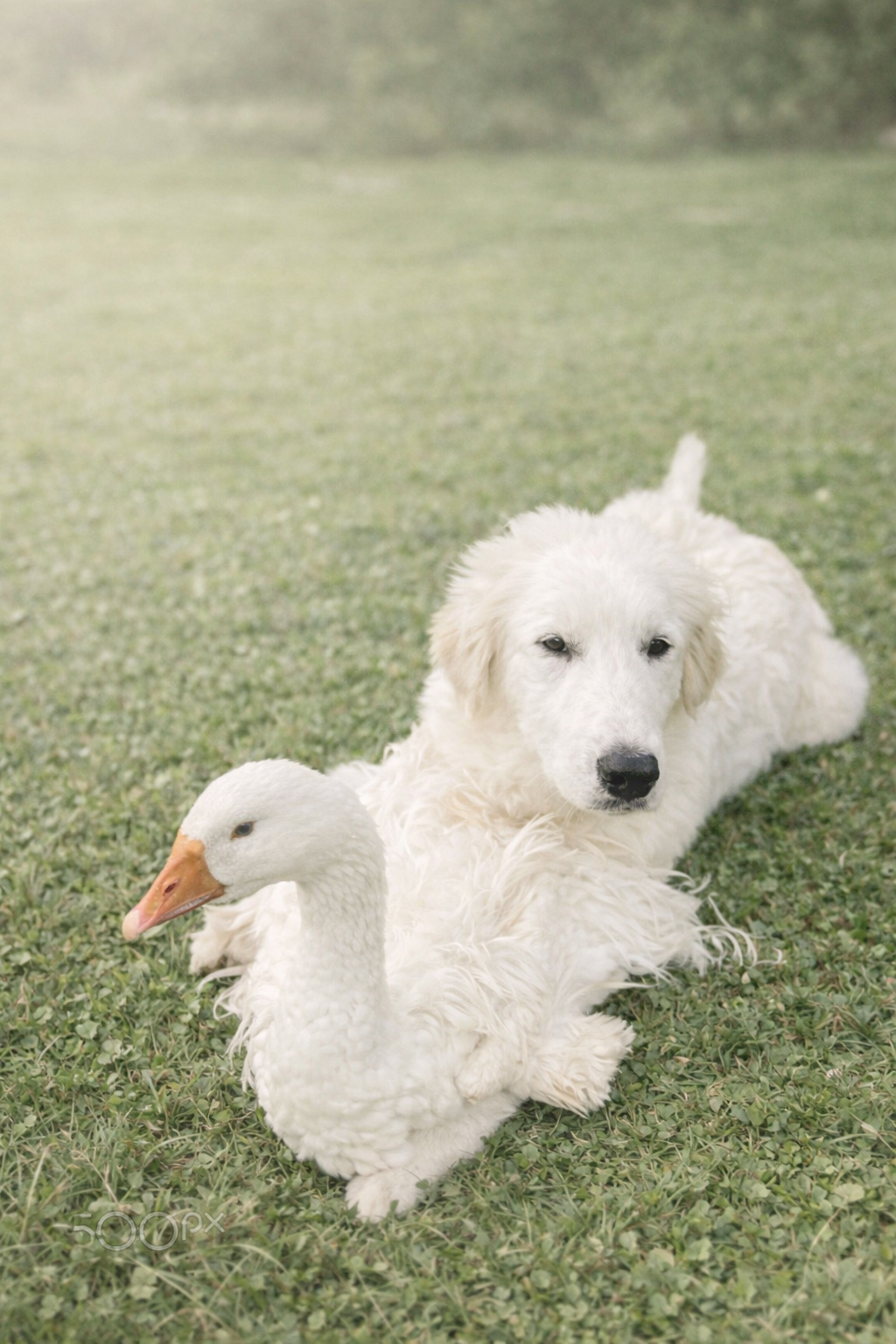
One of the most special parts of our homestead is raising Sebastopol Goose — a rare and endangered heritage breed known for their long, flowing, curly feathers.
Unlike traditional smooth-feathered geese, Sebastopols have soft, spiraled plumage that gives them an almost ornamental appearance. They look delicate, but they are surprisingly hardy birds when raised properly.
Why They’re Special
Sebastopol geese are considered a threatened heritage breed in North America. Raising them isn’t just about beauty — it’s about preservation. By breeding and maintaining strong bloodlines, small homesteads can play a real role in conserving agricultural history.
Temperament
In my experience, Sebastopols are:
- Gentle and calm
- Social with people when handled young
- Less aggressive than some heavier breeds
- Excellent for small farms and family settings
They are not typically raised for heavy meat production. Instead, they shine as:
- Ornamental pasture birds
- Conservation breeding stock
- Exhibition/show birds
- Homestead companions
Special Care Considerations
Because of their loose feather structure:
- They are less waterproof than other geese
- Mud management is especially important
- Clean, dry shelter is critical in wet seasons
In colder climates (like ours), they still do well — but wind protection and dry bedding are key.
Why I Choose to Raise Them
There’s something deeply meaningful about stewarding a rare breed. Every gosling hatched feels like contributing to something bigger than our farm — helping preserve a living piece of agricultural history.
If you’re looking for a unique, heritage goose breed that turns heads and supports conservation efforts, Sebastopols are truly remarkable birds.
Different breeds serve different purposes — meat, eggs, temperament, or ornamental beauty.
1. Embden Goose
- Large white breed
- Excellent for meat production
- Fast-growing
- Calm temperament
2. Toulouse Goose
- Heavy-bodied breed
- Great meat bird
- Very docile
- Good egg layers
3. Chinese Goose
- Smaller frame
- Excellent egg production
- More vocal and alert
- Great natural “watchdog”
For beginners wanting calm, dual-purpose birds, Toulouse or Embden are often best.
Starting With Goslings
Most people begin in early spring.
Brooder Setup
- Temperature: 85–90°F first week, lower 5°F weekly
- Pine shavings (never slippery surfaces)
- Clean water at all times
- Non-medicated chick starter (20–22% protein)
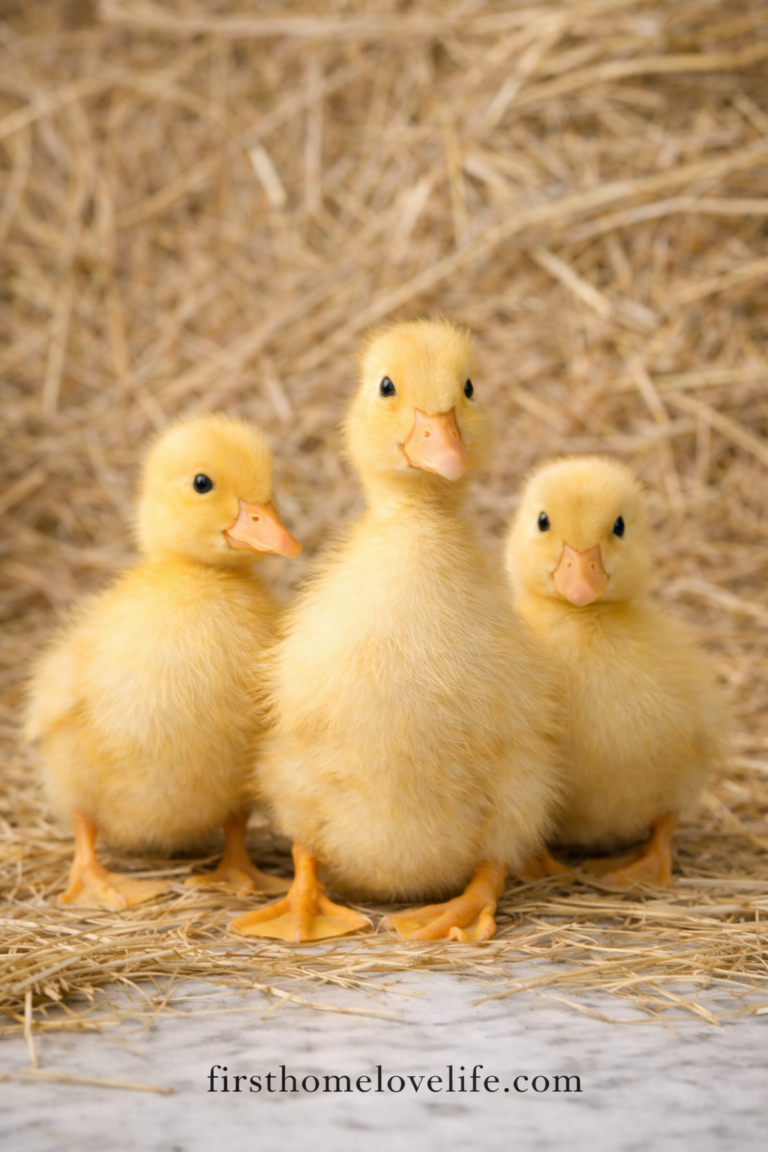
Important: Geese and ducks NEED NIACIN to prevent leg problems. Either use waterfowl feed or supplement brewer’s yeast, or do what I do and just go to your local pharmacy and grab Niacin capsules to add to their water.
By 3–4 weeks, if weather permits, goslings can transition outside during warm days.
Housing Requirements
Geese are hardy and simple compared to chickens.
Shelter
- Draft-free but well ventilated
- 6–8 square feet per bird inside
- Bedding in winter
- Protection from predators at night
They do not require nesting boxes like chickens. Most hens prefer making a nest on the ground.
Fencing & Pasture
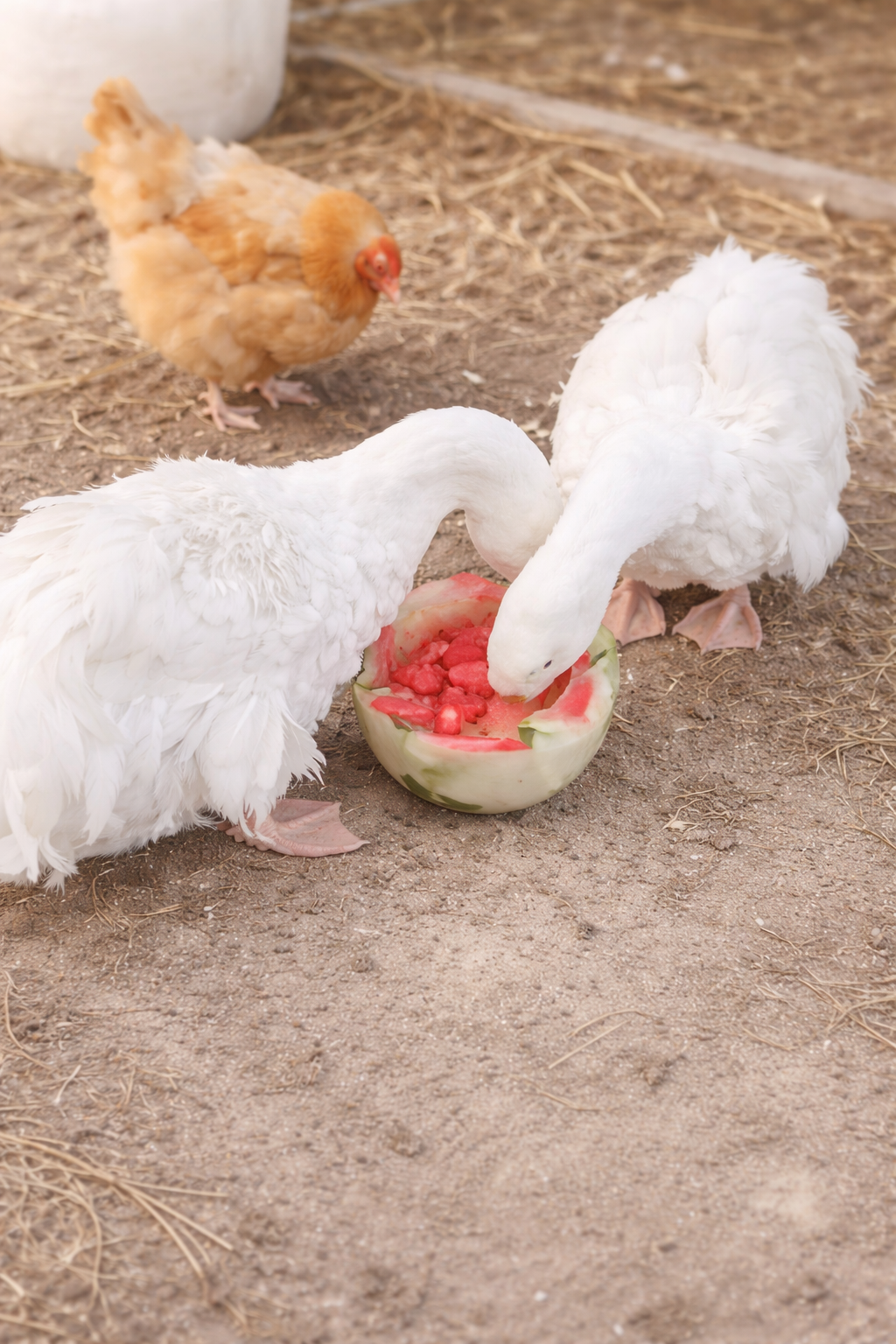
Geese thrive on grass. In fact, mature geese can get most of their diet from pasture.
- 4-foot fencing is usually sufficient
- Provide shade in summer
- Rotational grazing prevents muddy areas
They are fantastic in orchards — eating grass without damaging trees (once trees are established).
Feeding Geese
0–8 Weeks
- Waterfowl starter feed
- Fresh greens introduced gradually
8 Weeks to Adult
- Pasture-based diet
- Supplemental grain if pasture is limited
- Oyster shell free-choice for laying hens
Always provide fresh water deep enough for them to submerge their bills.
Do Geese Need Water to Swim?
They love water but do not require a pond to stay healthy.
A kiddie pool works perfectly.
They mainly need water deep enough to:
- Clean their nostrils
- Wash their eyes
- Preen properly
That said, a pond adds beauty and enrichment to your homestead.
Temperament & Behavior
Geese are social and bond strongly.
- Best kept in pairs or small flocks
- Can be territorial during breeding season
- Ganders (males) are protective
Handled young, they can become very friendly.
Egg Production
Most geese lay seasonally in early spring.
- 20–60 eggs per year depending on breed
- Large, rich eggs (excellent for baking)
- May go broody and hatch their own young
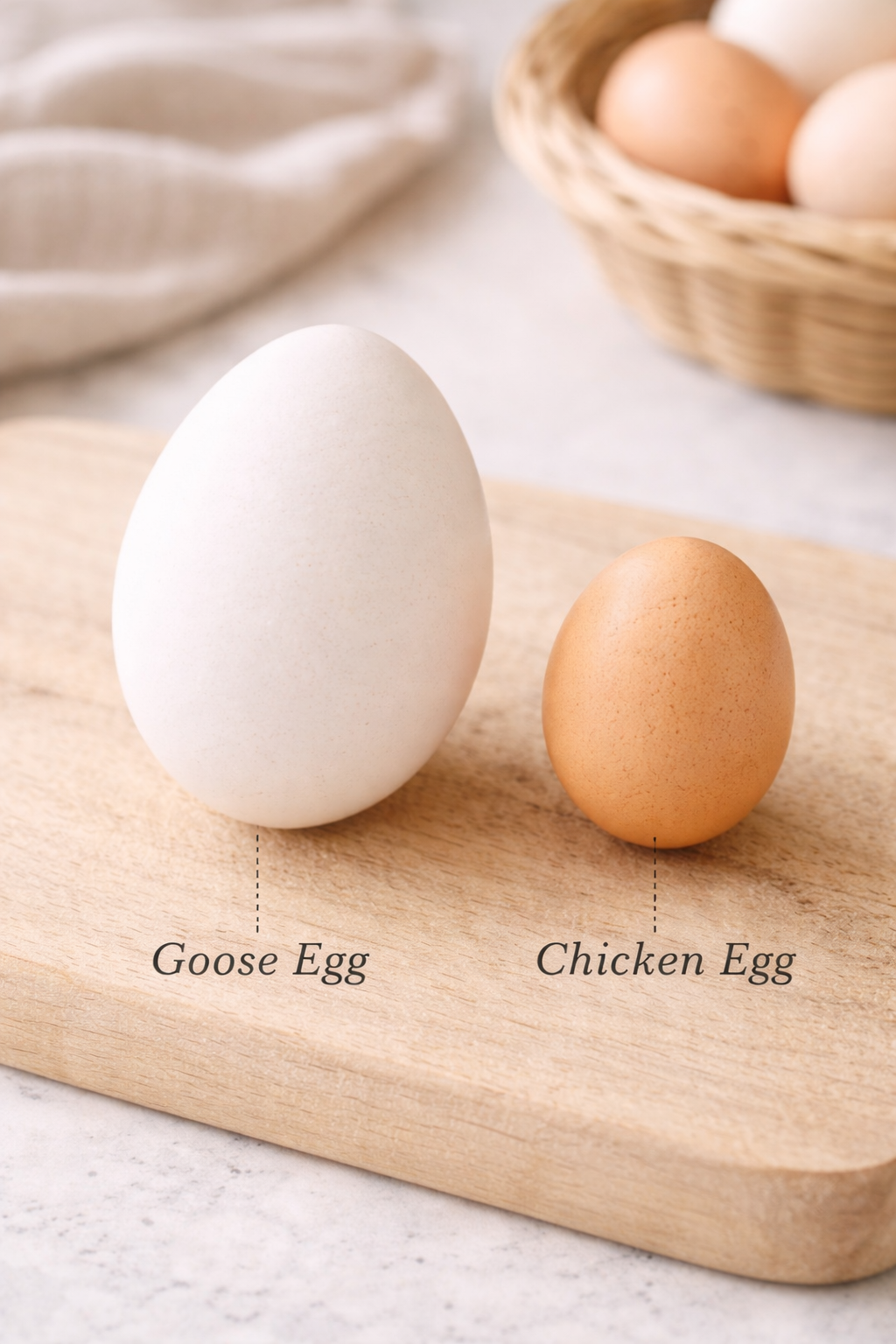
Goose eggs are about 2–3 times the size of chicken eggs.
Raising Geese for Meat
Geese grow quickly and can be processed around 16–20 weeks for tender meat.
- Rich, dark meat
- High-quality cooking fat
- Excellent for traditional holiday meals
Winter Care (Especially in Cold Climates)
Geese are extremely cold hardy.
- Thick straw bedding
- Access to unfrozen water
- Wind protection
- No heat lamps needed for adults
Their natural down insulation is incredibly effective.
Common Health Issues
Geese are generally robust but watch for:
- Niacin deficiency (weak legs in goslings)
- Wet, muddy living areas causing foot problems
- Predator attacks
Clean pasture and proper nutrition prevent most issues.
Final Thoughts
Geese are one of the easiest and most self-sufficient poultry species you can raise. They require less commercial feed than chickens, tolerate cold climates well, and bring personality and beauty to any homestead.
If you’re building a traditional, pasture-based homestead lifestyle, adding geese is a natural next step.