Loading the dishwasher might seem simple, but how you load your dishwasher actually makes a huge difference in how clean your dishes get. If you’ve ever opened the door expecting sparkling dishes and instead found food stuck on plates or cloudy glasses, chances are the dishwasher wasn’t loaded properly.
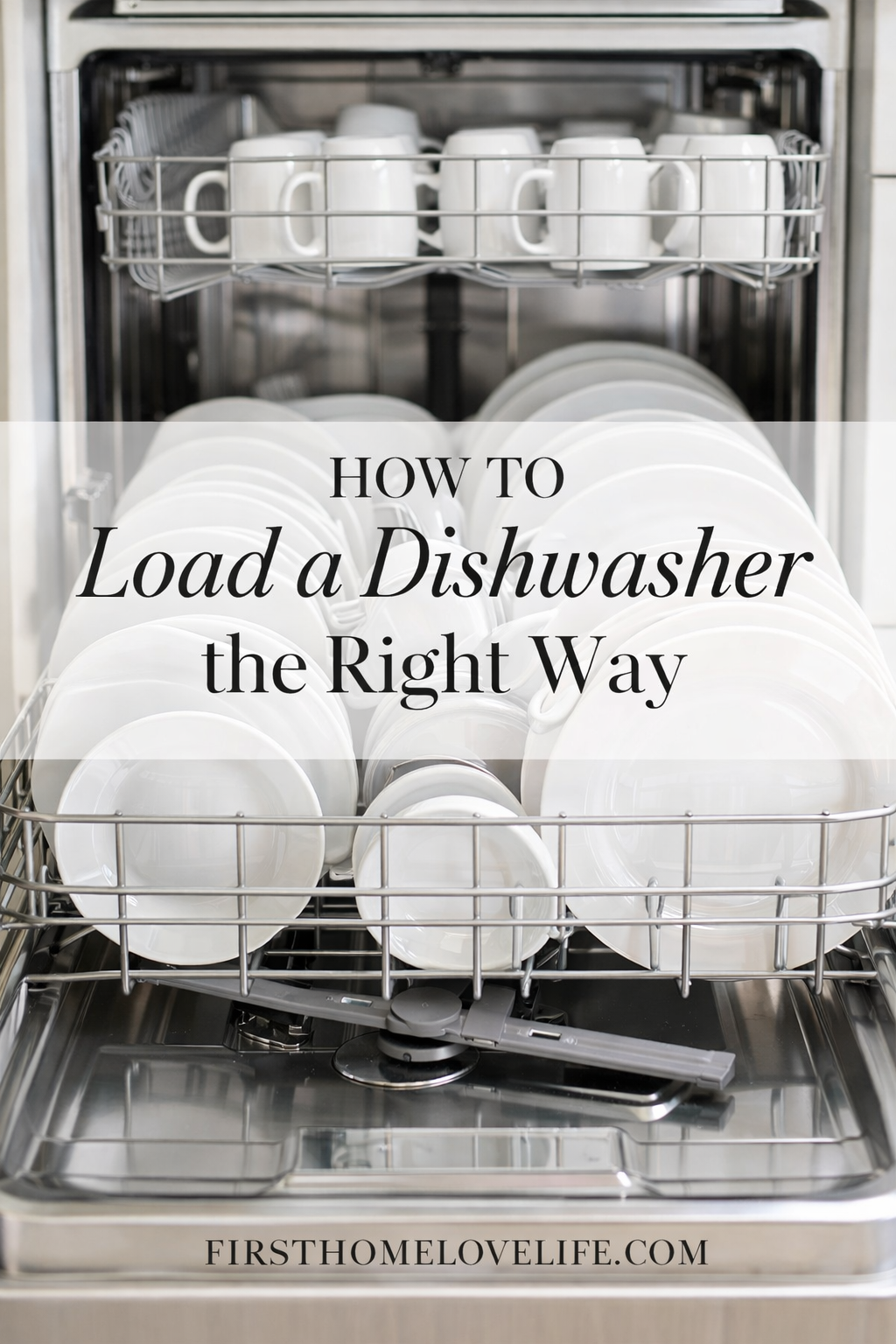
Learning how to load a dishwasher the right way helps water circulate correctly, prevents dishes from blocking the spray arms, and ensures detergent reaches every surface. The good news? A few simple adjustments can dramatically improve your dishwasher results.
This guide will show you the best way to load a dishwasher, from placing plates and bowls correctly to organizing utensils so everything comes out spotless.
- 10 Dishwasher Mistakes Everyone Makes
- 7 Dishwasher Hacks for Spotless Dishes
- How to Clean a Dishwasher Filter
- Items You Should Never Put in the Dishwasher
- Why Your Dishwasher Isn’t Cleaning Dishes
Why Proper Dishwasher Loading Matters
Dishwashers are designed to spray water in very specific patterns. When dishes are stacked incorrectly or packed too tightly, they block the spray arms and prevent water from reaching everything inside.
When you load your dishwasher the right way you will:
- Get cleaner dishes
- Prevent spots and residue
- Avoid chipped dishes
- Improve drying results
- Reduce the need to rewash items
Proper loading also helps your dishwasher run more efficiently, using less water and energy.
The Best Way to Load a Dishwasher
1. Scrape Food, But Don’t Pre-Wash
One of the biggest dishwasher mistakes people make is rinsing dishes too much before loading them.
Most modern dishwashers are designed to handle food residue. Simply scrape off large food scraps and place the dishes inside.
Leaving a small amount of residue actually helps detergent enzymes work better.
Avoid:
- Fully rinsing dishes
- Washing dishes before loading
- Leaving large food chunks
2. Place Plates Facing the Center
The center of the dishwasher is where the strongest water spray hits, so plates should always face inward.
Correct plate placement:
- Plates go in the bottom rack
- Face plates toward the center spray arm
- Leave space between plates
- Do not overlap
This allows water to hit the entire surface of each dish.
3. Load Bowls at an Angle
Bowls should always be loaded at an angle, not flat.
Why?
Flat bowls collect dirty water and prevent proper cleaning.
Best bowl placement:
- Put bowls on the top rack
- Angle them downward
- Face the center of the dishwasher
- Leave space between them
This allows water to drain properly during the wash cycle.
4. Put Cups and Glasses on the Top Rack
The top rack is designed for delicate items like glasses, mugs, and cups.
Tips for loading glasses:
- Place glasses between the tines, not directly over them
- Keep space between each glass
- Angle slightly downward so water drains
- Avoid stacking
Wine glasses should be secured in the rack so they don’t move during the cycle.
5. Keep Large Items on the Bottom Rack
Large dishes like pots and pans belong on the bottom rack, but they must be positioned carefully.
Correct placement:
- Place large items on the sides or back
- Avoid blocking the detergent dispenser
- Angle slightly downward
- Do not cover smaller dishes
Blocking the spray arms will prevent other dishes from getting clean.
6. Load Utensils the Right Way
Utensils should be mixed and spaced out, not nested together.
Best utensil loading tips:
- Mix forks, spoons, and knives together
- Place forks and spoons handle down
- Place knives blade down for safety
- Avoid stacking similar utensils together
This allows water to reach every surface.
7. Never Block the Spray Arms
The spray arms must spin freely during the wash cycle.
Before starting the dishwasher:
- Spin the spray arms with your hand
- Make sure nothing is blocking them
- Adjust dishes if necessary
Even one large pan can block water flow.
8. Leave Space Between Everything
The biggest mistake people make when loading a dishwasher is overcrowding.
When dishes touch or overlap:
- Water can’t reach surfaces
- Detergent can’t dissolve properly
- Food particles remain trapped
Always leave small gaps between dishes so water can circulate.
Items That Should Never Go in the Dishwasher
Even when you know how to load your dishwasher correctly, some items should always be hand washed.
Avoid putting these in the dishwasher:
- Cast iron pans
- Wooden spoons or cutting boards
- Sharp chef knives
- Non-stick pans
- Fine china
- Crystal glasses
- Copper cookware
These materials can warp, dull, or corrode in the dishwasher.
Bonus Dishwasher Tips for Cleaner Dishes
Run Hot Water First
Before starting the dishwasher, run the kitchen sink until the water gets hot. This ensures the dishwasher begins with hot water immediately.
Use the Right Amount of Detergent
Too much detergent can cause cloudy residue. Use the amount recommended by your dishwasher manufacturer.
Clean Your Dishwasher Monthly
Food buildup and grease can reduce cleaning power.
To clean your dishwasher:
- Remove the bottom rack
- Clean the filter
- Run an empty cycle with vinegar
This keeps your dishwasher performing at its best.
The Secret to Sparkling Clean Dishes
Once you learn how to load your dishwasher the right way, you’ll notice a huge difference in how clean and spotless your dishes come out.
By simply facing plates inward, spacing items properly, and avoiding overcrowding, you allow the dishwasher to do exactly what it was designed to do.
The result? Cleaner dishes, less rewashing, and a more efficient kitchen routine.
Whether you’re washing everyday dinner plates or a sink full of pots and pans, using the best way to load a dishwasher ensures every cycle works as effectively as possible.