Growing potatoes at home is one of the most rewarding gardening projects you can tackle—especially if you’re new to growing your own food. Potatoes are low-maintenance, high-yield, and incredibly versatile in the kitchen. With just a little preparation and patience, you can harvest pounds of fresh, homegrown potatoes right from your backyard or raised beds.
This simple guide will walk you through how to grow potatoes step by step, from planting to harvest.
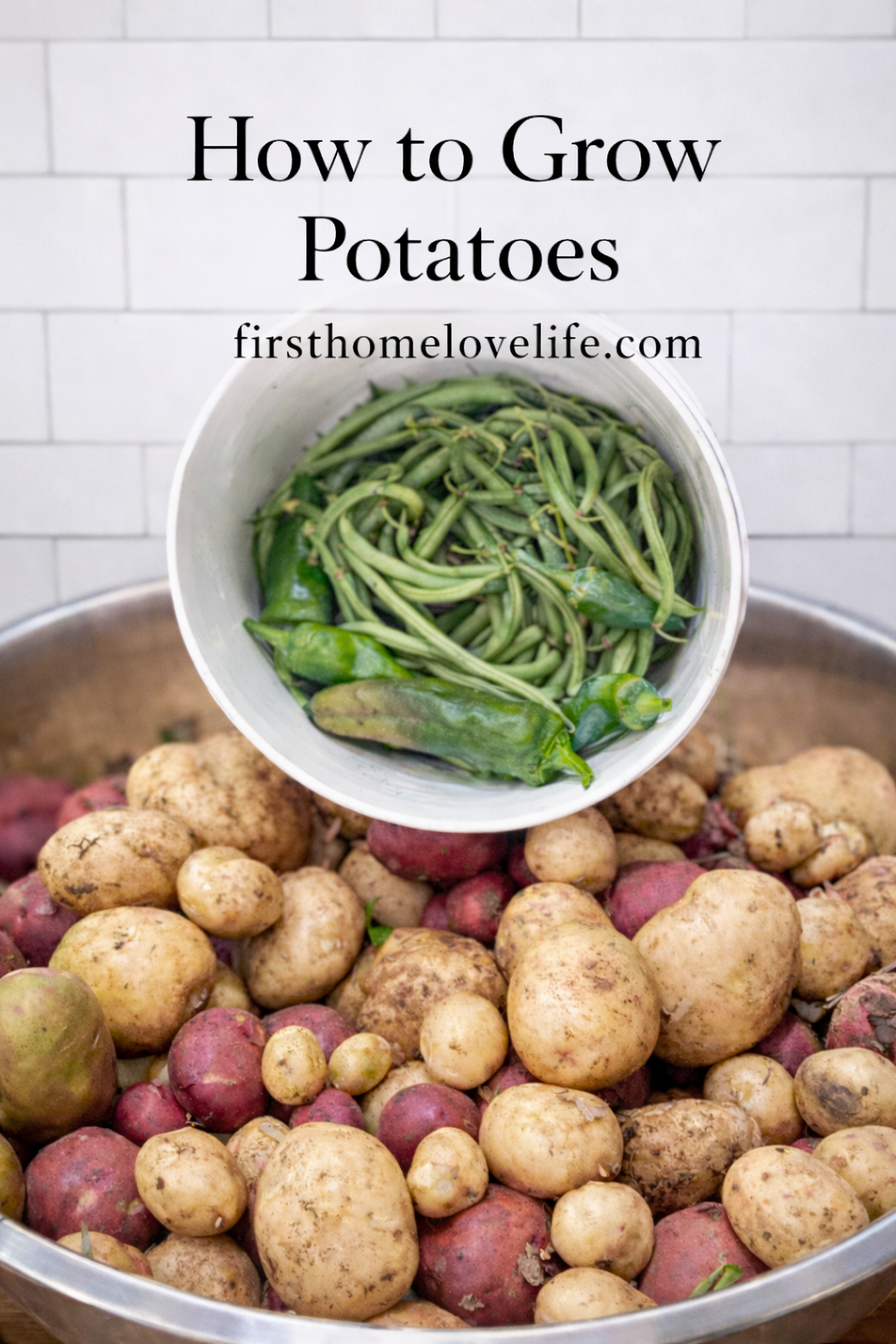
Why You Should Grow Your Own Potatoes
Potatoes are a fantastic crop for home gardeners because they:
- Grow well in many climates
- Don’t require much hands-on care
- Produce large harvests in small spaces
- Store well for months after harvesting
Plus, nothing beats the flavor of freshly dug potatoes compared to store-bought ones.
When to Plant Potatoes
Potatoes prefer cool weather and should be planted 2–4 weeks before your last expected frost date. They grow best when soil temperatures are between 45–55°F.
If you miss early spring planting, potatoes can also be grown as a late spring or early summer crop in cooler regions.
Choosing Seed Potatoes
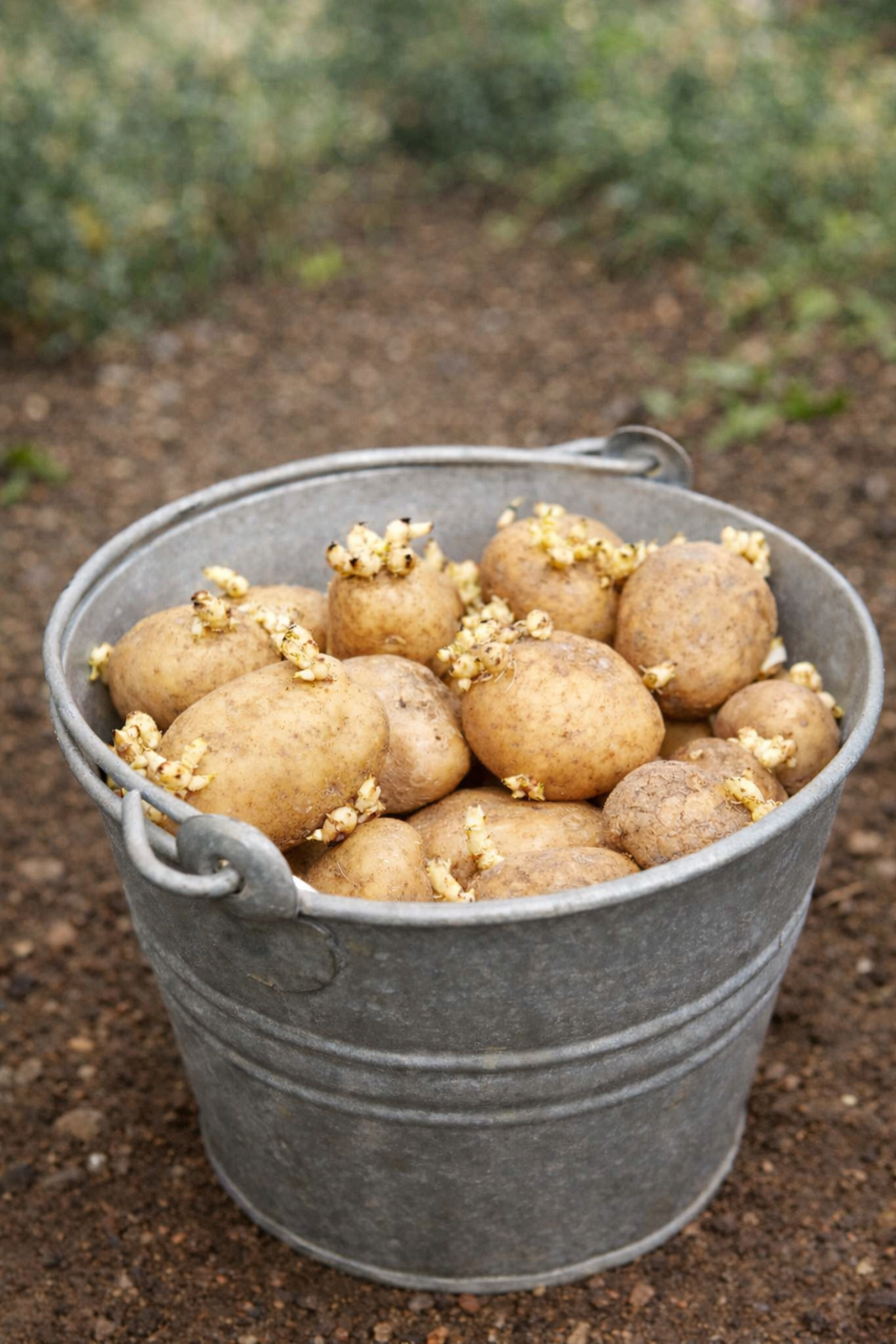
Always start with certified seed potatoes, not grocery store potatoes. Seed potatoes are disease-free and specifically grown for planting.
You can choose from:
- Red potatoes – great for roasting and boiling
- Yellow potatoes – creamy and perfect for mashing
- White potatoes – versatile and mild
- Fingerlings – excellent for small spaces
If your seed potatoes are large, cut them into pieces with 1–2 eyes per piece and allow them to dry for 24 hours before planting.
Where to Grow Potatoes
Potatoes can be grown in:
- Raised garden beds
- In-ground garden rows
- Grow bags or containers
- Straw or mulch beds
They need full sun (at least 6–8 hours a day) and loose, well-draining soil.
How to Plant Potatoes
- Dig trenches or holes 4–6 inches deep
- Space seed potatoes 12 inches apart
- Place potatoes cut-side down, eyes facing up
- Cover with soil or compost
Water lightly after planting.
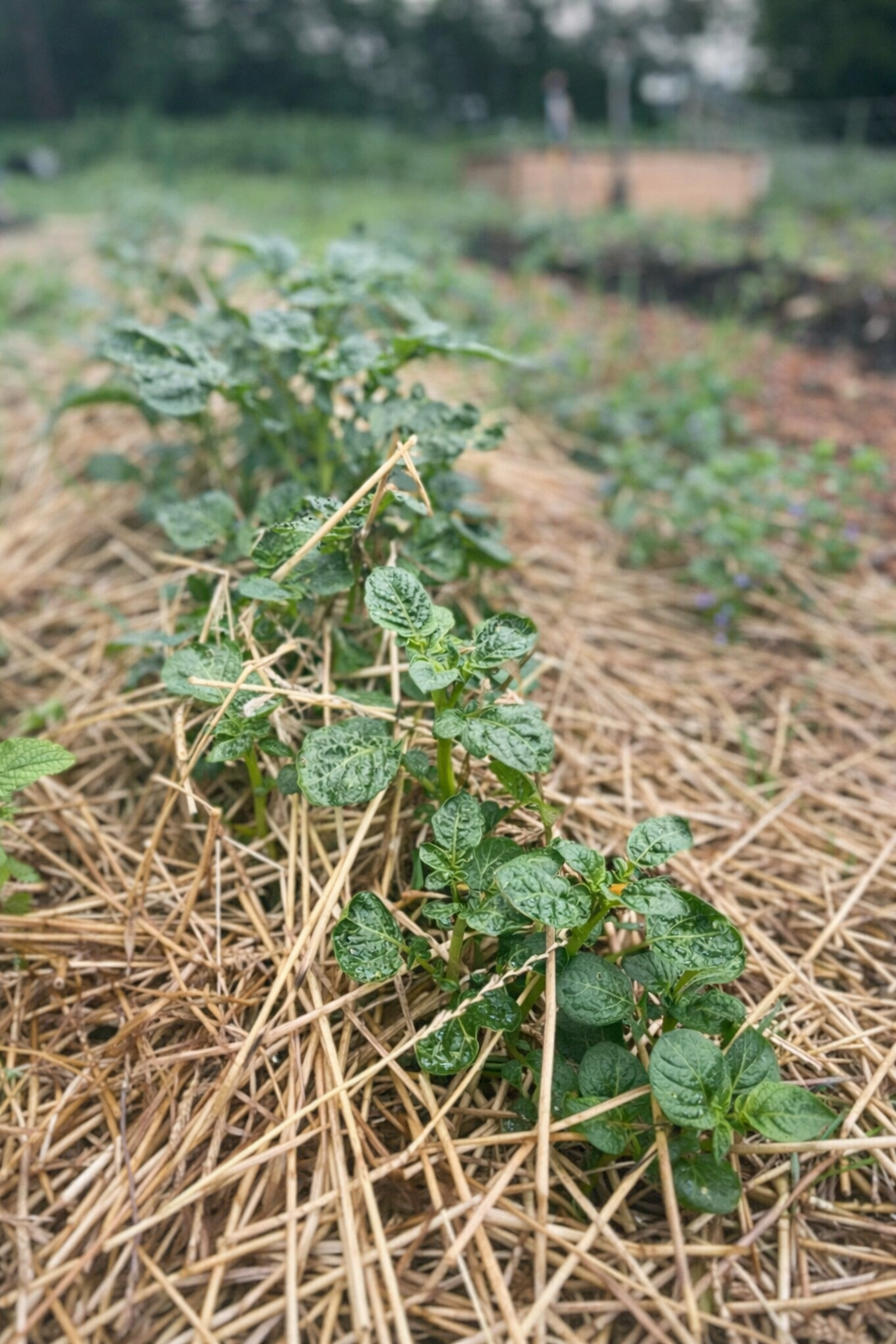
Hilling Potatoes (The Most Important Step)
As potato plants grow, they must be hilled to protect developing tubers from sunlight.
When plants reach 6–8 inches tall:
- Mound soil, straw, or mulch around the base
- Leave only the top few inches of the plant exposed
Repeat this process every 2–3 weeks.
💡 Why hilling matters:
Potatoes exposed to sunlight turn green and become toxic.
Watering & Care
- Water deeply once or twice a week
- Keep soil evenly moist, especially during flowering
- Avoid overwatering—potatoes don’t like soggy soil
Potatoes are fairly hands-off once established.
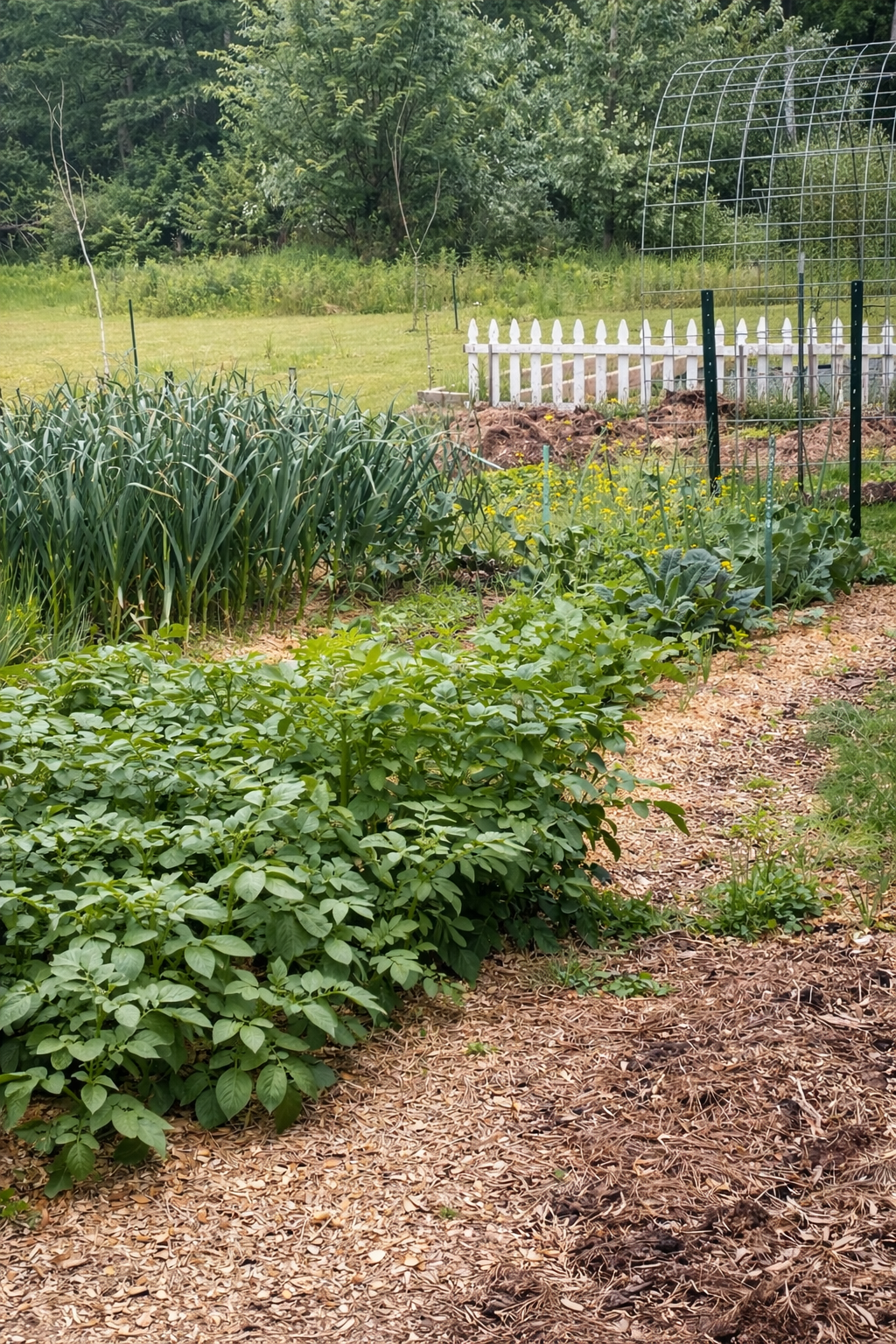
Common Potato Problems
- Colorado potato beetles – handpick early
- Blight – avoid overhead watering
- Green potatoes – always hill properly
Healthy soil and good spacing prevent most issues.
When to Harvest Potatoes
- New potatoes: Harvest 2–3 weeks after flowering
- Storage potatoes: Wait until plants yellow and die back
Gently dig around the plant with a garden fork or your hands to avoid damaging the potatoes.
Curing & Storing Potatoes
- Let potatoes dry in a shaded area for a few hours
- Cure in a cool, dark place for 1–2 weeks
- Store in a breathable container in a dark, cool location
Properly stored potatoes can last several months.
Final Thoughts
Growing potatoes is one of the easiest and most satisfying ways to start a home garden. Whether you’re planting in raised beds, straw, or containers, potatoes reward you with a generous harvest and endless meal possibilities.
Once you grow them yourself, you’ll never want store-bought potatoes again.
Happy gardening 🌱🥔