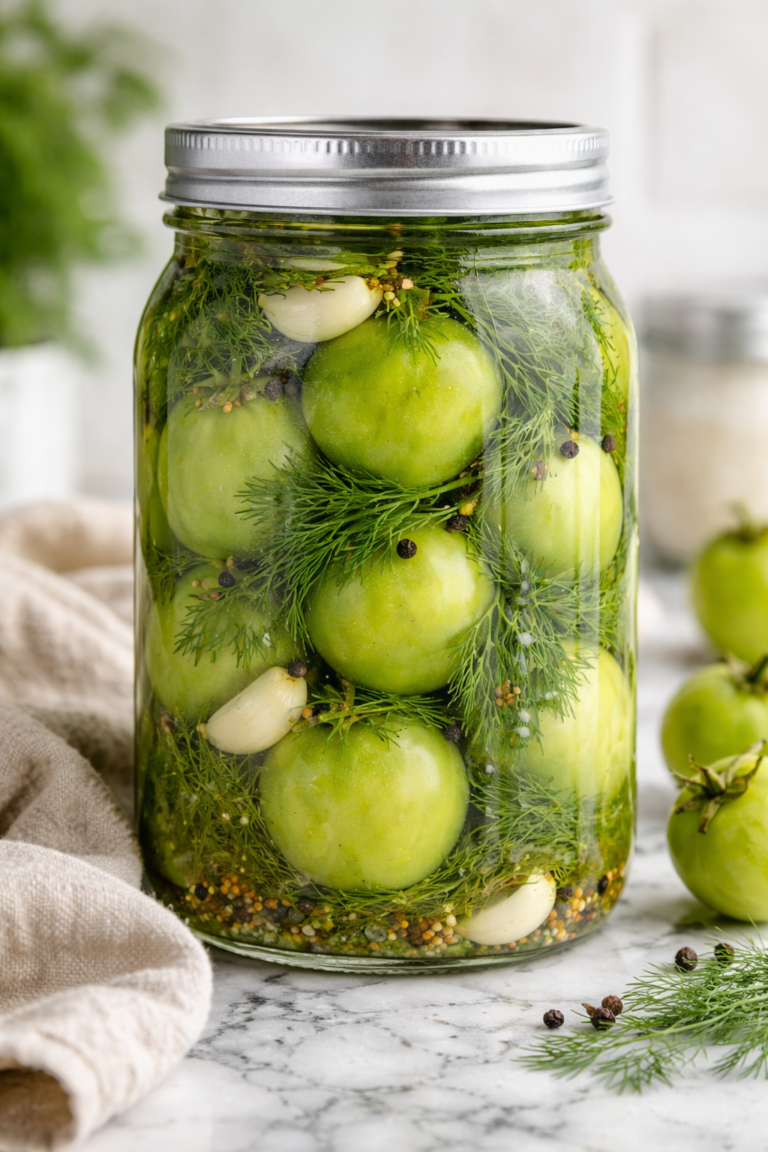
The first spoonful breaks through a thin layer of caramelized sugar into creamy, vanilla-scented sweet potatoes. This crème brûlée sweet potato casserole brings that familiar holiday flavor to the table with a buttery filling and a golden topping that shatters like the sugar crust on your favorite restaurant dessert.
Roasted sweet potatoes, heavy cream, brown sugar, and a little cinnamon make the filling rich without hiding the sweet potato flavor. The finishing touch is a thin layer of sugar caramelized just before serving. It’s a Thanksgiving sweet potato casserole without marshmallows that still delivers plenty of holiday sweetness.
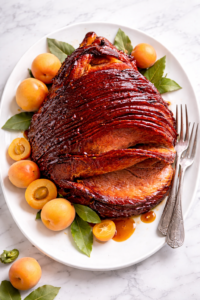
Add it to your Thanksgiving dinner menu alongside savory stuffing, turkey, and gravy, or serve it with Christmas ham for a side dish that feels a little extra special.
More Sweet Potato Recipes You’ll Love




Why You’ll Love This Sweet Potato Casserole
- Creamy filling and a crisp topping. Every serving has soft sweet potatoes underneath a delicate caramelized sugar crust.
- Simple ingredients. Butter, cream, vanilla, and a little spice bring out the flavor of roasted sweet potatoes.
- No marshmallows or nuts needed. The brûléed topping adds its own sweetness and crunch.
- An easy make-ahead base. Prepare the sweet potato filling ahead and save the sugar topping for serving time.
- Perfect for holiday dinners. It pairs beautifully with turkey, ham, and savory vegetable sides.
What Is Crème Brûlée Sweet Potato Casserole?
Crème brûlée sweet potato casserole is a baked sweet potato side dish finished with a thin, caramelized sugar topping. It borrows the crackly crust from classic crème brûlée and pairs it with a creamy sweet potato filling.
This version has the vanilla and cream mixed directly into the potatoes, so there’s no separate custard layer or water bath. Eggs help the filling set while keeping it soft enough to scoop.
Ingredients
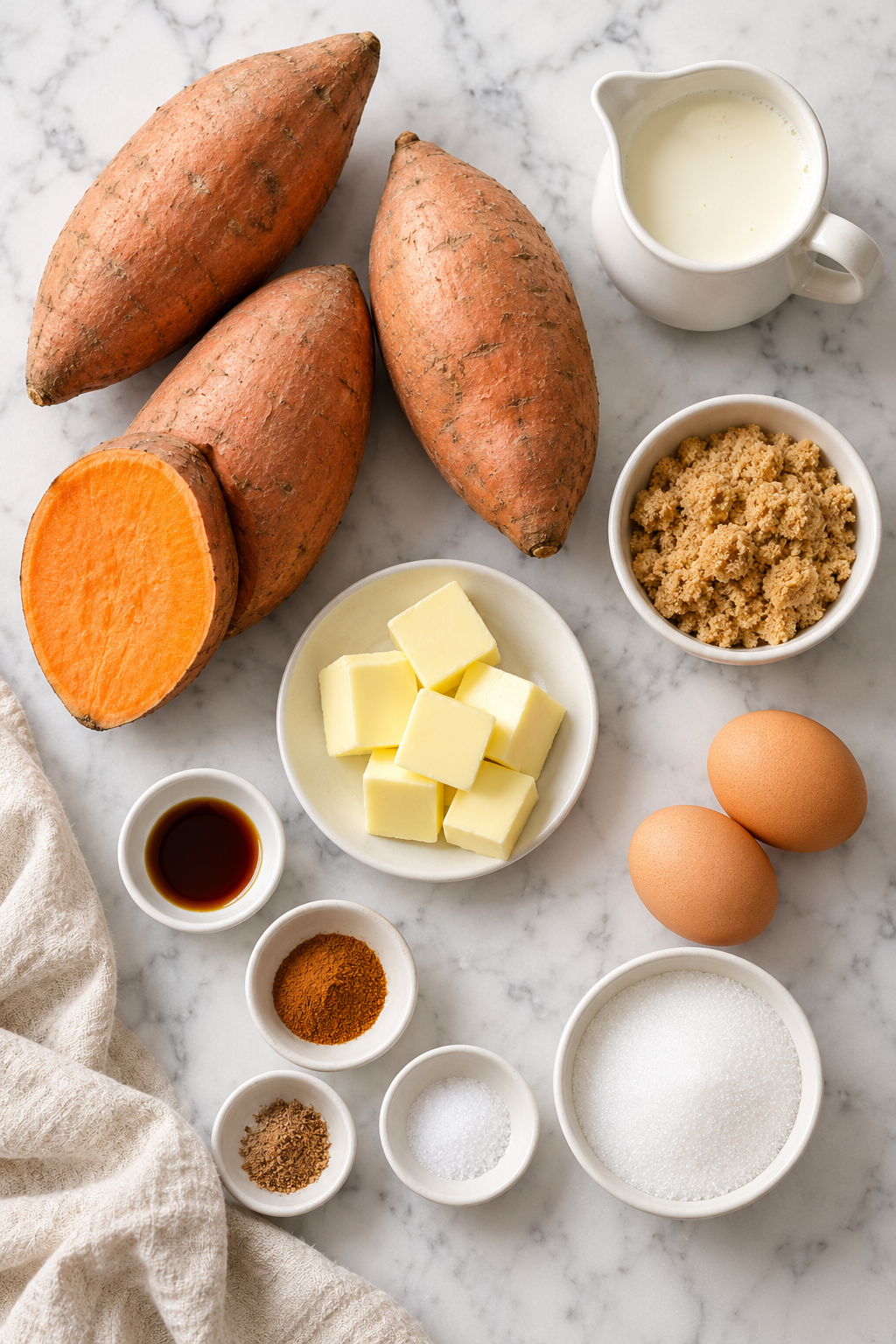
For the Sweet Potato Filling
- 3 pounds orange-fleshed sweet potatoes, enough for about 4 cups cooked and mashed
- 6 tablespoons unsalted butter, melted, plus more for greasing the dish
- ⅓ cup packed light brown sugar
- ¾ cup heavy cream
- 2 large eggs, lightly beaten
- 2 teaspoons vanilla extract
- ½ teaspoon ground cinnamon
- ¼ teaspoon ground nutmeg
- ½ teaspoon fine sea salt
For the Brûlée Topping
- ¼ cup granulated sugar, plus 1–2 tablespoons if needed for an even, thin coating
Ingredient Notes
Sweet potatoes: Orange-fleshed sweet potatoes give the casserole its familiar color and creamy texture. Measure the cooked flesh so the filling stays balanced even if the potatoes vary in size.
Heavy cream: Adds richness and helps the sweet potatoes blend into a smooth filling.
Brown sugar: Sweetens the base and adds a light molasses flavor. The topping adds more sweetness, so the filling doesn’t need a large amount.
Vanilla: Gives the casserole its crème brûlée-inspired flavor. Vanilla bean paste can be substituted in the same amount.
Granulated sugar: Use white granulated sugar for the topping. It spreads evenly and makes it easier to see when the caramel reaches a golden amber color.
How to Make Crème Brûlée Sweet Potato Casserole
1. Roast the Sweet Potatoes
Preheat the oven to 400°F. Scrub and dry the sweet potatoes, pierce each one several times with a fork, and place on a rimmed baking sheet.
Roast for 50–70 minutes, depending on their size, until the centers are completely soft. A knife should slide through without resistance.
Let them cool enough to handle, then scoop out the flesh. Measure 4 cups into a large mixing bowl.
2. Make the Creamy Filling
Reduce the oven temperature to 350°F. Butter a shallow 2½-quart baking dish, approximately 9 inches square.
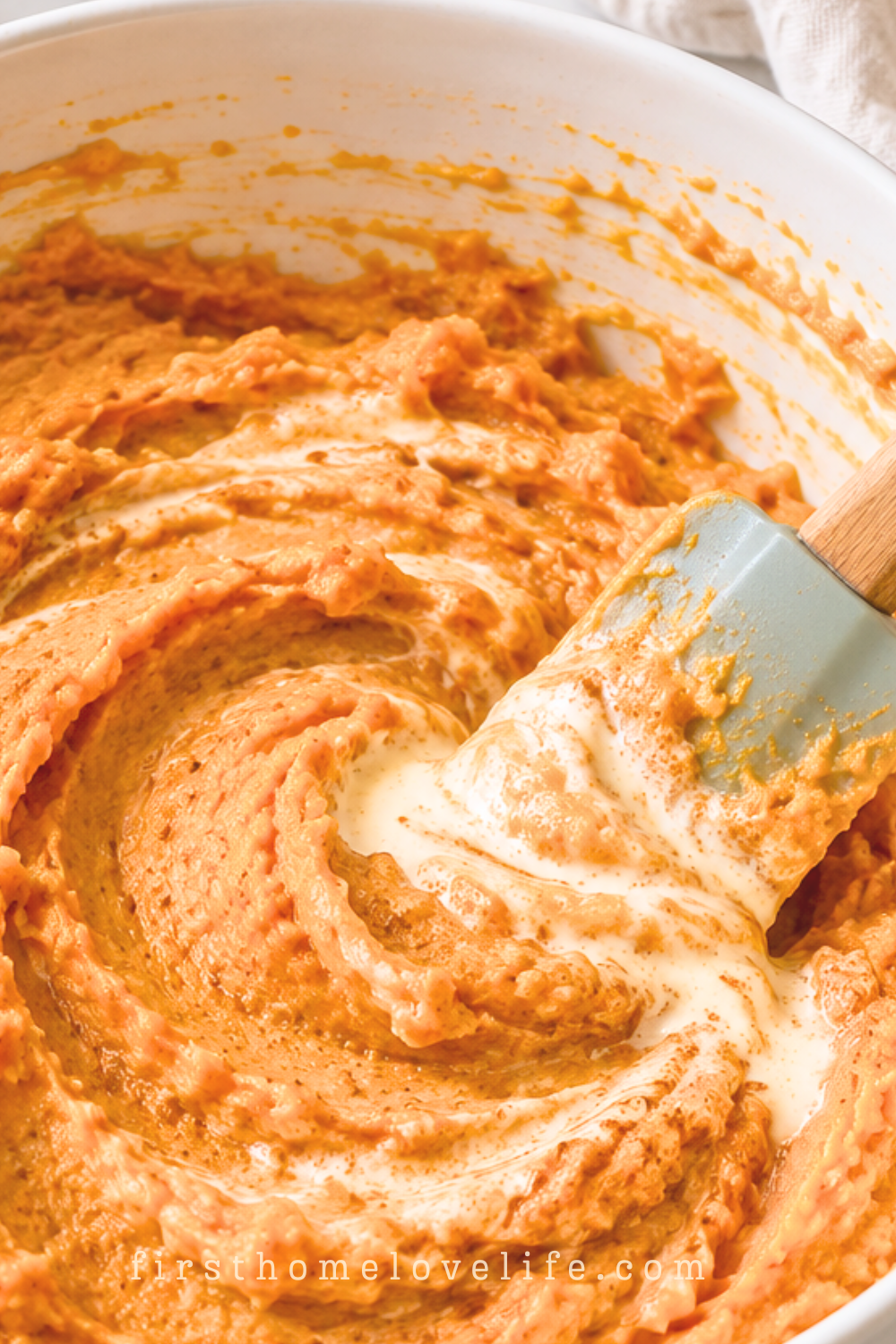
Mash the sweet potatoes thoroughly, then mix in the melted butter, brown sugar, heavy cream, vanilla, cinnamon, nutmeg, and salt.
For an especially smooth filling, use a food processor or an immersion blender. Allow the mixture to cool until warm rather than steaming hot, then blend in the beaten eggs just until combined.
3. Bake the Casserole
Spread the filling into the prepared dish, smoothing the surface so the sugar topping will sit evenly.
Bake for 35–40 minutes, or until the edges are set and the center no longer looks wet or ripples when the dish is gently moved. A deeper dish may take longer.
Let the casserole rest for 10–15 minutes before adding the sugar.
4. Add the Sugar Topping
If moisture has collected on the surface, gently blot it with a paper towel.
Sprinkle the granulated sugar evenly over the casserole. Start with ¼ cup, adding only enough extra to cover any bare patches. Aim for a thin coating without thick piles.
5. Caramelize Until Golden
Using a kitchen torch according to its instructions, sweep the flame steadily over the sugar until it melts and turns golden amber.
Keep the flame moving, working across the surface in small sections. Avoid holding it in one spot, which can burn the sugar before the surrounding area melts.
Let the topping harden for 2–3 minutes, then serve while the filling is warm and the crust is crisp.
Can You Make It Without a Kitchen Torch?
A kitchen torch gives you the most control, but a broiler can work if your dish is specifically rated for broiler use.
Preheat the broiler and position the casserole about 6 inches below the element, following your oven and cookware guidance. Watch continuously and remove the casserole as soon as the sugar melts and turns amber. This may take 1–3 minutes, but broilers vary considerably.
Do not use a glass baking dish under the broiler. If your dish isn’t approved for broiling, use a suitable kitchen torch and heat-resistant cookware instead.
Tips for a Crisp Brûlée Topping
- Make the filling smooth. A level surface helps the sugar melt evenly.
- Let the casserole rest first. Adding sugar to a steaming surface can make it dissolve before you caramelize it.
- Keep the sugar layer thin. A thick layer can become hard to break and may burn before it melts completely.
- Look for amber, not black. Dark, scorched spots can taste bitter.
- Finish just before serving. Moisture from the filling gradually softens the sugar crust.
If you’re planning several potato sides, serve this alongside brown butter mashed potatoes for a creamy, savory option to balance the caramelized sweetness.
Make-Ahead Instructions
Prepare and bake the sweet potato casserole up to 2 days ahead, leaving off the sugar topping. Cool promptly, cover, and refrigerate.
When ready to serve, reheat the casserole covered at 325°F until the center is hot throughout, allowing approximately 30–45 minutes, depending on the dish and the starting temperature. Uncover toward the end to let surface moisture evaporate.
Let it rest briefly, blot away any condensation, then add the sugar and caramelize.
Save the brûlée topping for the day you serve it. Refrigerating an already caramelized casserole will soften the crust.
What to Serve with Crème Brûlée Sweet Potato Casserole
The buttery sweetness works especially well with savory holiday mains and sides.
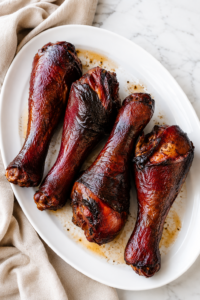
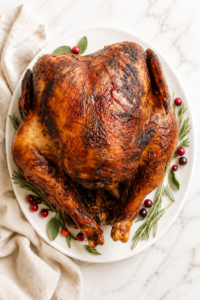
- Thanksgiving smoked turkey: A smoky main dish to pair with the vanilla sweet potatoes.
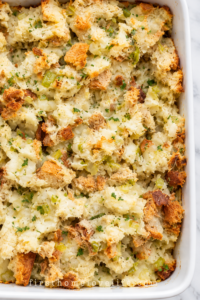
- Chicken sausage and apple stuffing: A savory addition to round out the holiday plate.
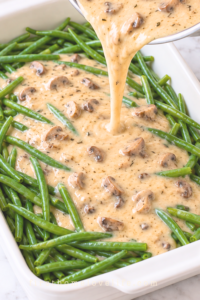
- Brussels sprouts with chestnuts and bacon: A vegetable side with plenty of savory flavor.
- Turkey gravy from scratch: Serve alongside the turkey and stuffing to complete the meal.
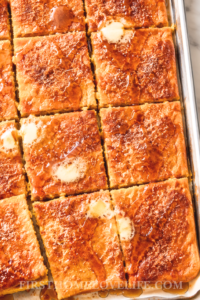
For another sweet potato option with a different texture, try these crispy smashed sweet potatoes with maple bacon.

Crème Brûlée Sweet Potato Casserole
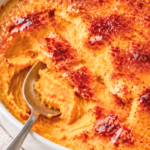
Creamy roasted sweet potatoes blended with butter, vanilla, cream, and warm spices, then finished with a thin, crackly caramelized sugar topping. This Thanksgiving sweet potato casserole is made without marshmallows or nuts and includes make-ahead instructions.
- Prep Time: 25 minutes
- Cook Time: 1 hour 40 minutes
- Total Time: 2 hours 20 minutes
- Yield: 10–12 servings 1x
- Category: HOLIDAYS, Side Dish
- Method: Baking
- Cuisine: American, Holiday Recipes
- Diet: Vegetarian
Ingredients
Sweet Potato Filling
- 3 pounds orange-fleshed sweet potatoes, enough for 4 cups cooked and mashed
- 6 tablespoons unsalted butter, melted, plus more for greasing
- ⅓ cup packed light brown sugar
- ¾ cup heavy cream
- 2 large eggs, lightly beaten
- 2 teaspoons vanilla extract
- ½ teaspoon ground cinnamon
- ¼ teaspoon ground nutmeg
- ½ teaspoon fine sea salt
Brûlée Topping
- ¼ cup granulated sugar, plus 1–2 tablespoons if needed for a thin, even coating
Instructions
- Roast the sweet potatoes. Preheat the oven to 400°F. Scrub and dry the sweet potatoes, pierce several times with a fork, and place on a rimmed baking sheet. Roast for 50–70 minutes, until completely tender.
- Prepare the baking dish. Reduce the oven temperature to 350°F. Butter a shallow 2½-quart baking dish, approximately 9 inches square. Let the sweet potatoes cool enough to handle, then scoop out the flesh and measure 4 cups into a large mixing bowl.
- Mix the filling. Mash the sweet potatoes until smooth. Mix in the melted butter, brown sugar, heavy cream, vanilla, cinnamon, nutmeg, and salt. For a smoother texture, use an immersion blender or food processor.
- Add the eggs. Let the mixture cool until warm rather than steaming hot. Add the beaten eggs and mix until fully incorporated.
- Bake. Spread the filling evenly in the prepared dish and smooth the surface. Bake for 35–40 minutes, or until the edges are set and the center no longer looks wet or ripples when the dish is gently moved. A deeper dish may require additional time.
- Rest. Let the casserole rest for 10–15 minutes. Gently blot away any surface moisture with a paper towel.
- Add the sugar. Just before serving, sprinkle ¼ cup granulated sugar evenly over the surface. Add another 1–2 tablespoons only if needed to cover bare spots. Keep the layer thin and even.
- Caramelize. Using a kitchen torch according to its instructions, sweep the flame steadily over the sugar until it melts and turns golden amber. Keep the flame moving to avoid burning.
- Serve. Allow the sugar crust to harden for 2–3 minutes, then serve promptly while the filling is warm and the topping is crisp.
Notes
- Make ahead: Bake the casserole without the sugar topping up to 2 days ahead. Cool promptly, cover, and refrigerate. Reheat covered at 325°F until hot throughout, approximately 30–45 minutes. Uncover toward the end to let surface moisture evaporate. Rest briefly, then add and caramelize the sugar just before serving.
- Without a torch: Use only a dish specifically rated for broiler use. Place approximately 6 inches below the preheated broiler, following your cookware and oven instructions. Watch continuously until the sugar melts and turns amber, approximately 1–3 minutes. Do not use glass bakeware under the broiler.
- Smooth filling: Measure 4 cups of cooked sweet potato flesh for consistent results. Blend thoroughly before adding the eggs.
- Crisp topping: A thin sugar layer caramelizes more evenly. Add it just before serving; the crust softens as it sits.
- Storage: Refrigerate leftovers within 2 hours and use within 3–4 days. Reheat until hot throughout. The sugar topping will soften during storage.
- Timing: Total time is approximate and varies with sweet potato size and baking-dish depth.
Storing and Reheating Leftovers
Cover and refrigerate leftovers within 2 hours of serving. Store for 3–4 days.
Reheat individual portions in the microwave or warm the casserole, covered, in a 325°F oven until hot throughout. The sugar topping will soften during storage and reheating, but the filling will remain creamy.
For the best texture, caramelize only the portion you expect to serve if you know you’ll have leftovers.
Frequently Asked Questions
Is this a side dish or a dessert?
This recipe is designed as a sweet holiday side dish. It has a creamy sweet potato base with a thin sugar crust, making it a good fit for Thanksgiving or Christmas dinner.
Can I use canned sweet potatoes?
Yes. Use plain canned sweet potatoes, drain them thoroughly, and measure 4 cups after mashing. Avoid syrup-packed sweet potatoes if possible because they change the sweetness and moisture of the filling.
Can I boil the sweet potatoes instead of roasting them?
Yes. Peel, cube, and boil the sweet potatoes until tender, then drain thoroughly. Return them to the warm pot briefly so excess moisture can evaporate before mashing. Measure 4 cups for the recipe.
Can I use brown sugar for the brûlée topping?
White granulated sugar is the better choice for this recipe. Brown sugar tends to clump, and its darker color makes it harder to judge when the topping is caramelized.
Why didn’t my sugar topping get crunchy?
The sugar may not have melted completely, the surface may have been too wet, or the finished casserole may have sat too long. Start with a dry surface, caramelize a thin layer evenly, and give it a few minutes to harden before serving.
Can I make this without nuts or marshmallows?
Yes. This recipe contains neither. Its texture comes from the creamy sweet potato filling and crisp caramelized sugar topping.
A Sweet Potato Side Worth Saving Room For
A golden sugar crust makes this crème brûlée sweet potato casserole feel special before anyone takes a bite. Underneath, the filling stays familiar: buttery sweet potatoes, warm vanilla, and just enough spice to belong on the holiday table.
Prepare the base ahead, add the finishing touch before dinner, and bring it to the table while the top still crackles under a spoon. For more dishes to serve alongside it, browse my complete Thanksgiving dinner menu.