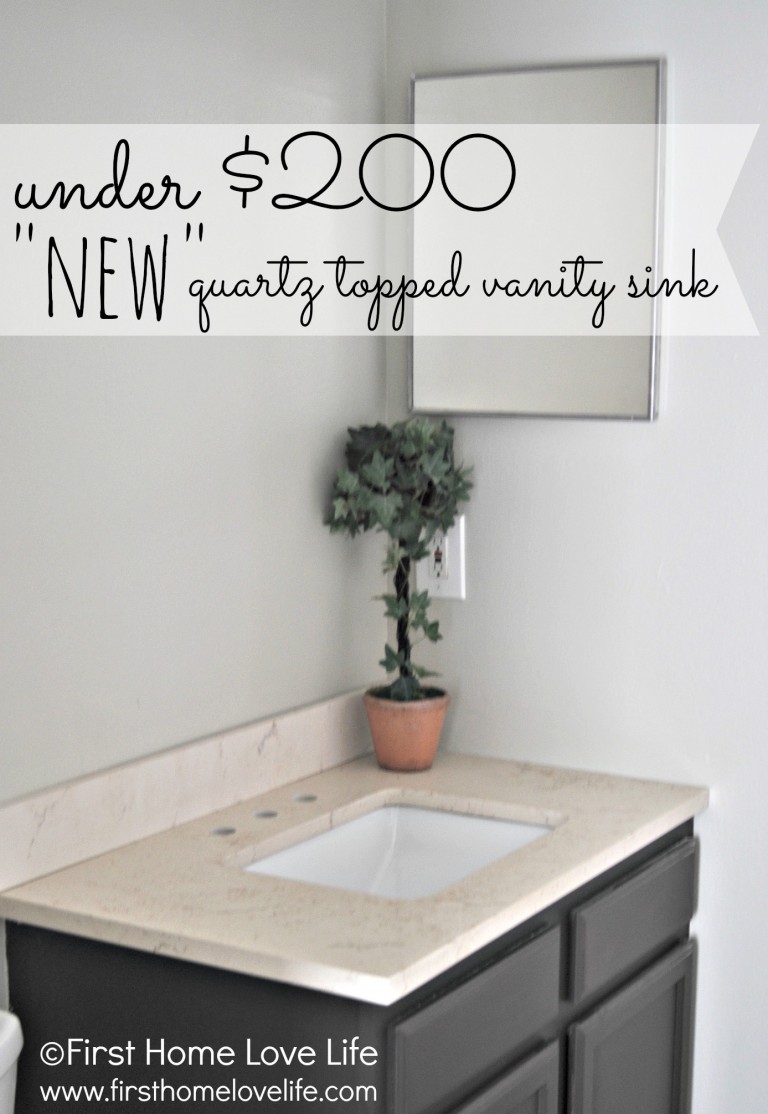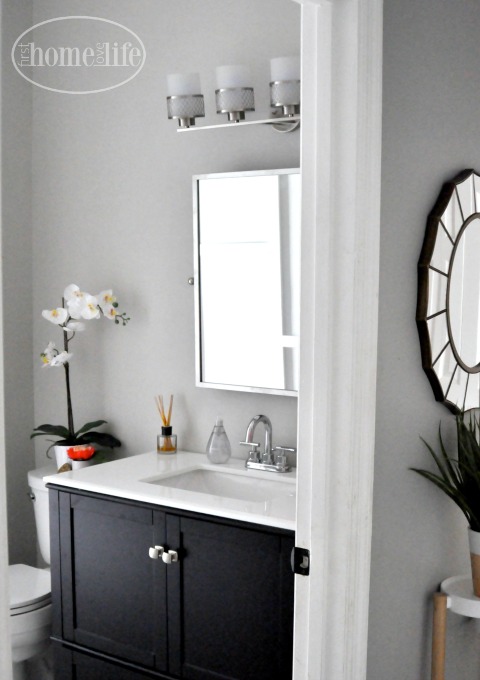
Yes—you can spray paint cabinets! Painting cabinets with spray paint is one of the most effective DIY updates for giving your kitchen or bathroom a fresh, modern look without replacing the cabinetry. Whether you’re updating tired oak cabinets or refreshing a dated finish, spray painting cabinets can deliver smooth, professional results when done right.
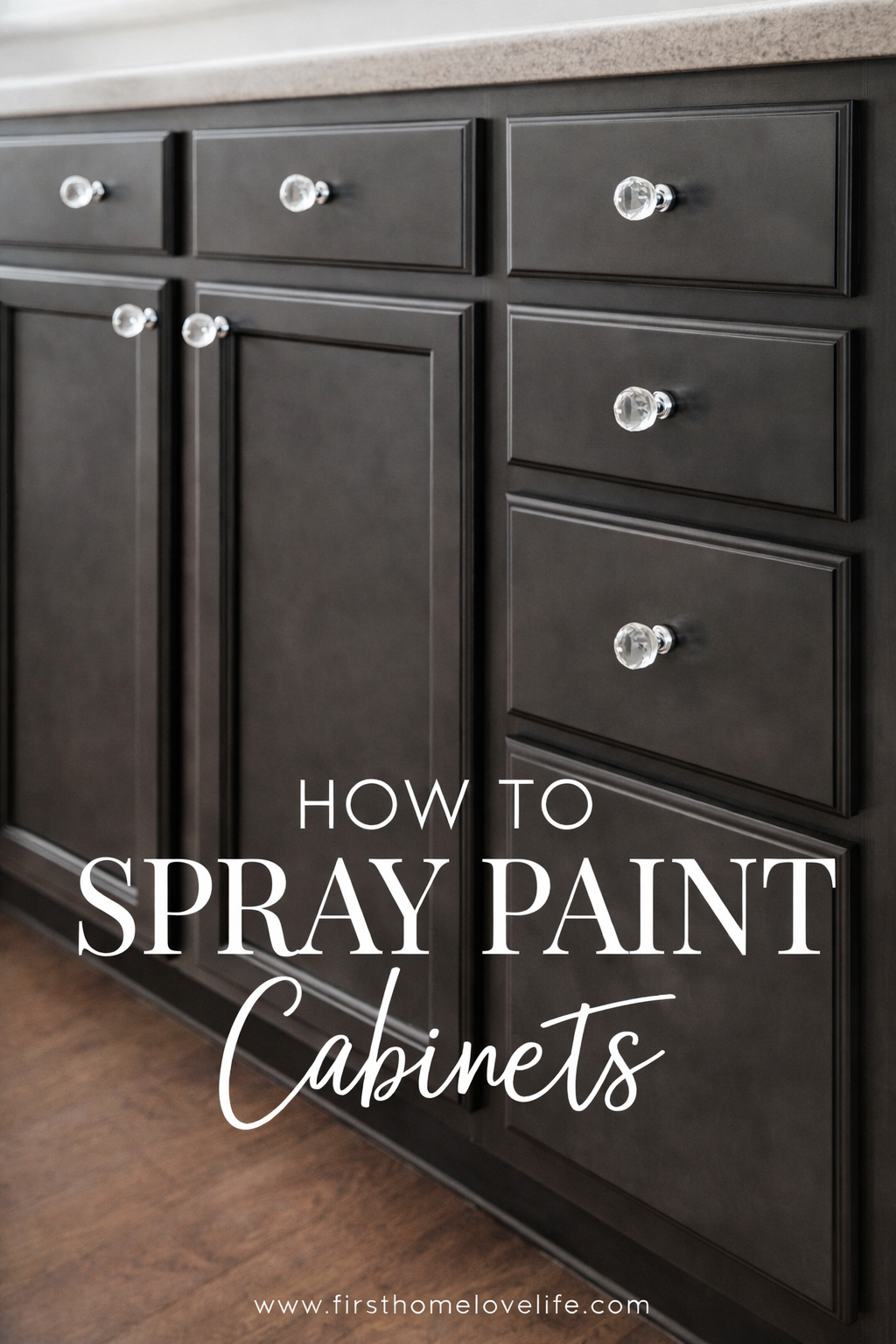
Can You Spray Paint Cabinets With Canned Spray Paint?
Yes, you can spray paint cabinets using actual canned spray paint, and for small kitchens, bathroom vanities, laundry rooms, or furniture-style cabinets, it can be a practical DIY option. While it’s not ideal for every situation, canned spray paint can produce a smooth, durable finish when used correctly.
When Canned Spray Paint Works Best
Using spray paint cans is best if:
- You’re painting a small number of cabinet doors or drawers
- The cabinets have minimal detail or flat fronts
- You want a budget-friendly cabinet refresh
- You don’t want to invest in or store a paint sprayer
For full kitchens with many doors, a paint sprayer will be faster—but canned spray paint can still work beautifully for smaller projects.
Best Canned Spray Paints for Cabinets
If you’re using actual spray paint cans (not a sprayer), choose a high-quality enamel formula designed for durability. These options are widely used by DIYers for cabinet makeovers:
- Rust-Oleum Painter’s Touch 2X Ultra Cover
A popular all-purpose spray paint with excellent coverage and a smooth finish. Works well on wood and laminate cabinets. - Rust-Oleum American Accents 2X Ultra Cover
Known for strong adhesion and built-in primer. Great for cabinets when applied in thin, even coats. - Krylon Fusion All-In-One Spray Paint & Primer
Designed to bond to slick surfaces with minimal prep. A good choice for laminate or previously painted cabinets. - Rust-Oleum Stops Rust Protective Enamel
Durable enamel finish that cures hard and resists chipping, making it suitable for high-use areas like kitchens. - Rust-Oleum Low Odor Spray Paint
Water-based option with easier cleanup and less odor, ideal for indoor cabinet projects. - BEHR PREMIUM Spray Paint
Reliable coverage with a smooth finish. Works best when paired with a bonding primer for cabinets. - Majic Diamondhard Acrylic Enamel Spray Paint
Extra-durable acrylic enamel that provides a harder finish than standard spray paints. - Rust-Oleum Specialty Lacquer Spray Paint
Best for achieving a high-gloss, factory-style cabinet finish (requires careful prep and light coats).
Pro Tip for Best Results
No matter which spray paint you choose, always use 2–3 light coats, allow proper drying time between coats, and let cabinets fully cure before reinstalling hardware for the longest-lasting finish.
How to Spray Paint Cabinets Using Cans
- Remove doors and hardware and label everything for easy reinstallation.
- Clean thoroughly with a degreaser to remove kitchen grime.
- Lightly sand to scuff the surface and improve adhesion.
- Apply a bonding primer spray designed for cabinets or furniture.
- Spray light, even coats, holding the can 8–12 inches from the surface.
- Allow proper dry time between coats (do not rush this step).
- Apply 2–3 thin coats instead of one heavy coat to avoid drips.
Tips for a Smooth, Professional Finish
- Shake the can often during use
- Keep your arm moving—don’t stop spraying mid-pass
- Rotate doors while drying to avoid missed edges
- Spray in low humidity for best results
- Let cabinets fully cure before reinstalling (this can take several days)
Pros & Cons of Using Canned Spray Paint on Cabinets
Pros
- Affordable and widely available
- No special equipment required
- Great for small cabinet projects or touch-ups
Cons
- Time-consuming for large kitchens
- Less forgiving than a paint sprayer
- Requires patience and careful prep
Bottom Line
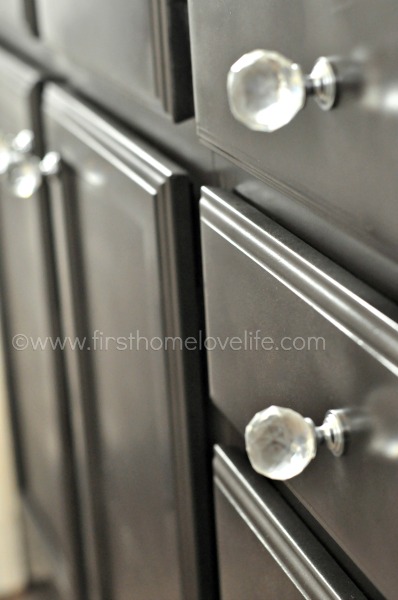
Canned spray paint can absolutely be used on cabinets, especially for smaller DIY cabinet makeovers. With proper prep, patience, and the right products, you can achieve a smooth, durable finish—without investing in a paint sprayer.
Why Spray Painting Cabinets Works
Spray painting provides a smooth, uniform finish that’s hard to achieve with a brush or roller—especially on large flat surfaces like cabinet doors and drawer fronts. Using a paint sprayer, you can apply paint evenly and avoid visible brush strokes or roller marks that can detract from the final look.
Step-by-Step: How to Spray Paint Your Cabinets With a Sprayer
1. Prepare Your Cabinets
- Remove all doors, drawers, and hardware before you begin.
- Clean surfaces thoroughly to remove grease, grime, and buildup so paint can adhere properly.
- Lightly sand each surface to help the primer and paint bond better.
2. Set Up Your Spraying Area
- Work in a well-ventilated space (like a garage with the door open).
- Lay down drop cloths or plastic sheeting to protect surrounding areas from overspray.
- If you’re serious about a flawless finish, consider a temporary spray booth setup.
3. Prime Before Painting
Priming is essential for longevity. Apply a quality primer designed for cabinets to ensure the paint sticks well and stays durable over time.
4. Spray the Paint
- Use a suitable paint sprayer (HVLP or airless) designed for cabinetry.
- Keep the sprayer moving in smooth, overlapping passes to avoid drips or uneven coverage.
- Apply two to three light coats, allowing adequate drying time between coats.
5. Let It Cure
After painting, allow the paint to fully cure before reinstalling doors and hardware. This increases durability and helps prevent chipping over time.
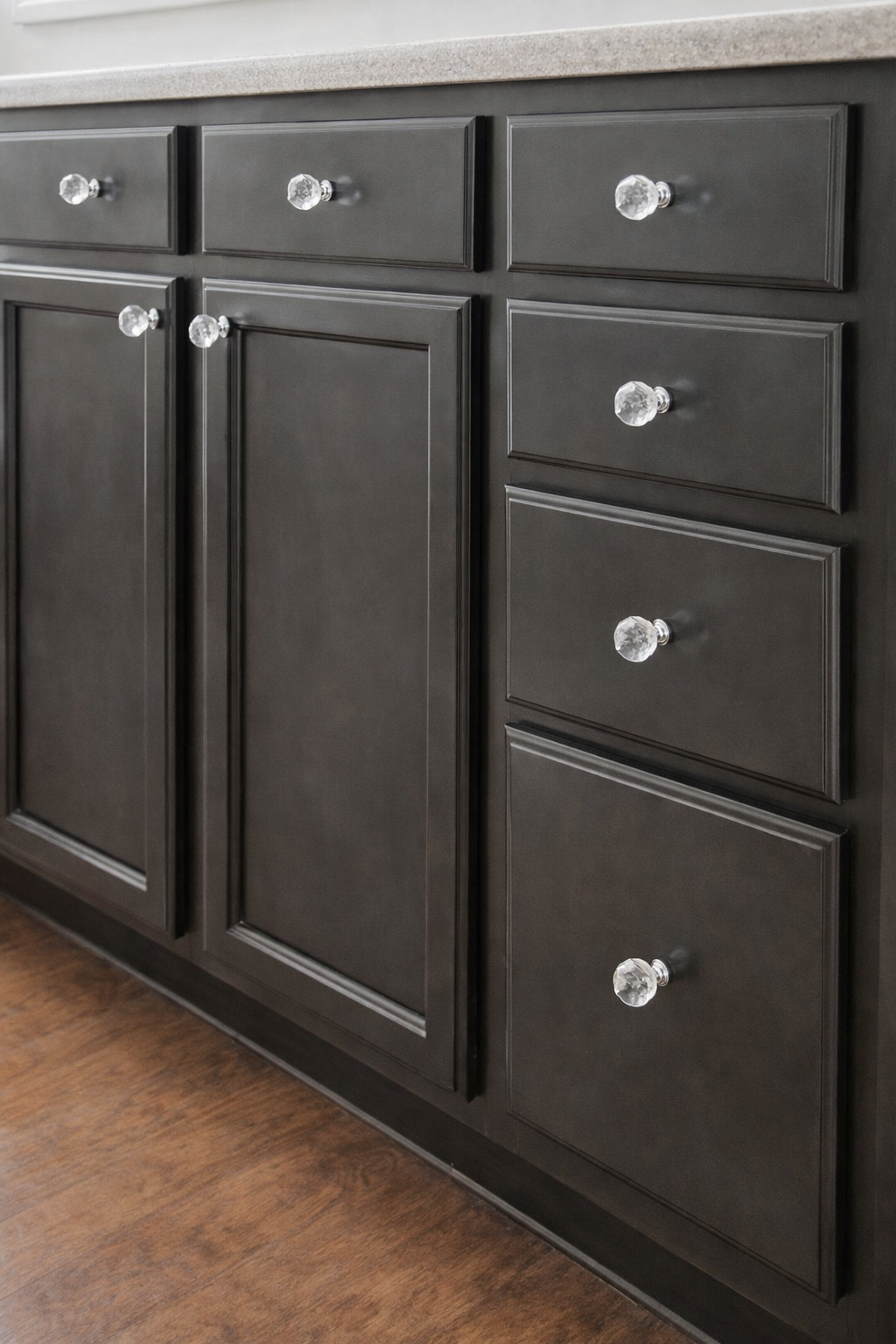
Tips for Best Results
- Choose quality paint formulated for cabinets—it will resist wear and clean better over time.
- Practice spraying on a piece of scrap wood first to adjust your technique and sprayer settings.
- If you’re unsure about spraying inside your home, consider doing the job outdoors or in a garage.
Pros & Cons of Spray Painting Cabinets
Pros:
- Delivers a smooth, factory-like finish
- Faster and more even than brush painting
- Affordable way to update cabinets without replacing them
Cons:
- Overspray can be messy without proper setup
- Requires prep work (removal, cleaning, sanding, priming)
- Finish durability depends on paint quality and application technique
Final Verdict
Spray painting cabinets is a budget-friendly DIY solution that can dramatically modernize your kitchen or bathroom. With the right preparation and tools, you can achieve results that look professional and fresh—without the cost of a full cabinet replacement.