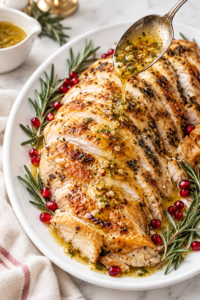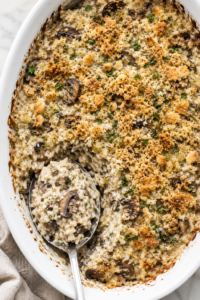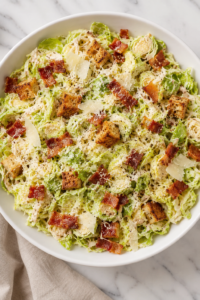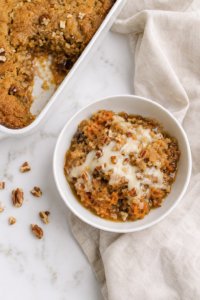
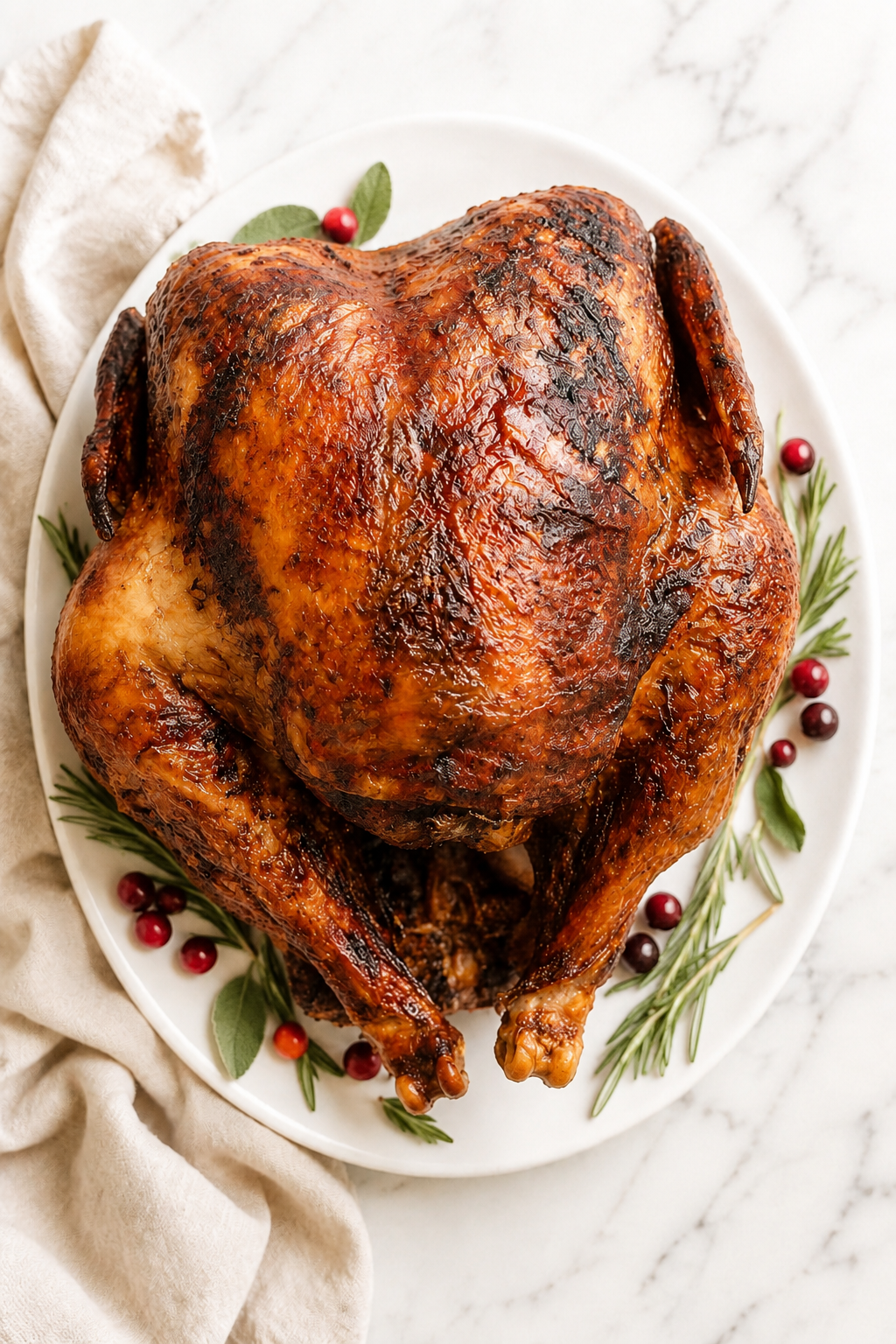
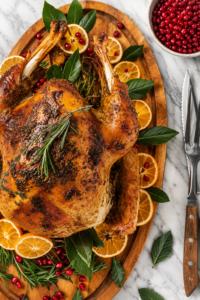
If you want crispy golden skin and incredibly juicy meat, this deep-fried Thanksgiving turkey is hard to beat. A smaller turkey cooks in less than an hour, frees up valuable oven space and makes an impressive centerpiece for your holiday table. This step-by-step guide will show you how to choose, season and fry your turkey while following the most important safety precautions.
Planning your holiday meal? See my complete Thanksgiving dinner menu for turkey recipes, make-ahead side dishes, desserts, serving amounts, and an easy preparation timeline.
More Turkey Recipes You’ll Love
Why You’ll Love This Deep-Fried Thanksgiving Turkey
- Extra-crispy, beautifully browned skin
- Tender and juicy turkey meat
- Faster than roasting a whole turkey
- Frees up valuable oven space
- Seasoned with a simple homemade Cajun dry rub
- Makes an impressive centerpiece for Thanksgiving dinner
What Size Turkey Is Best for Deep Frying?
Choose a fresh or completely thawed turkey weighing no more than 12 pounds. A smaller turkey fits more safely inside most outdoor turkey fryers and cooks more evenly.
Before buying your turkey, check the maximum capacity and weight recommendations provided by your fryer’s manufacturer. Never try to force an oversized turkey into the cooking pot.
If you need more turkey for a large gathering, fry two smaller birds separately instead of attempting to fry one oversized turkey.
Essential Turkey-Frying Safety Rules
Deep-frying oil can reach temperatures above 400°F, so careful setup is essential. Review the manufacturer’s directions for your particular fryer before you begin.
- Use the turkey fryer outdoors only.
- Set it on a flat, stable and nonflammable surface such as concrete.
- Keep it several feet away from your home, garage, vehicles, wooden deck and anything else that could catch fire.
- Never use a turkey fryer inside a garage, under an overhang or on a wooden deck.
- Make sure the turkey is completely thawed and free of ice.
- Never fry a stuffed turkey.
- Thoroughly dry the turkey inside and out.
- Do not overfill the pot with oil.
- Turn off the burner before slowly lowering the turkey into the oil.
- Wear closed-toe shoes, long pants, heat-resistant gloves and protective eyewear.
- Keep children and pets well away from the cooking area.
- Never leave the fryer unattended.
- Never use water to extinguish an oil fire. Keep an appropriate Class B or multipurpose fire extinguisher nearby.
The U.S. Fire Administration recommends using a fryer with thermostat controls and placing it outdoors on a flat surface that cannot burn. It also warns that a partially frozen turkey or an overfilled fryer can cause hot oil to spill and splatter. Review the complete USFA turkey-fryer safety guidance before cooking.
How Long Does It Take to Thaw a Turkey?
The safest way to thaw a turkey is in the refrigerator. Allow approximately 24 hours for every 4 to 5 pounds of turkey.
| Turkey Weight | Refrigerator Thawing Time |
|---|---|
| 8 to 12 pounds | 2 to 3 days |
| 12 to 16 pounds | 3 to 4 days |
| 16 to 20 pounds | 4 to 5 days |
After thawing, a turkey can remain refrigerated for one to two days before cooking. Never thaw it on the counter, in the garage or outdoors. See the USDA’s safe turkey-thawing instructions for additional guidance.
Equipment You’ll Need
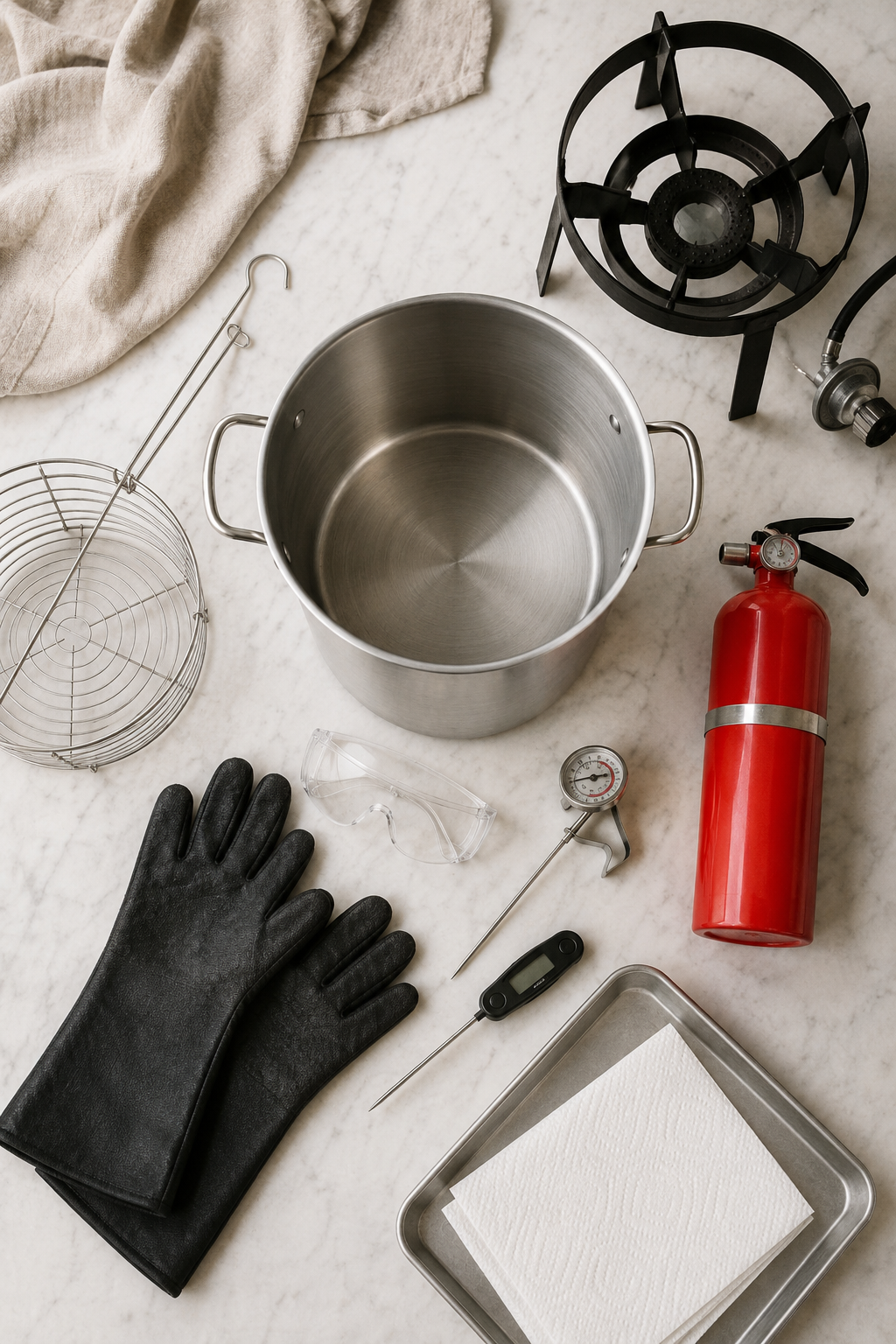
- Outdoor propane turkey-fryer kit with a thermostat
- Large fryer pot
- Turkey-fryer rack and lifting hook
- Propane tank
- Deep-fry or clip-on thermometer
- Instant-read meat thermometer
- Heat-resistant gloves
- Protective eyewear
- Large rimmed baking sheet
- Paper towels
- Class B or multipurpose fire extinguisher
Ingredients for Fried Thanksgiving Turkey
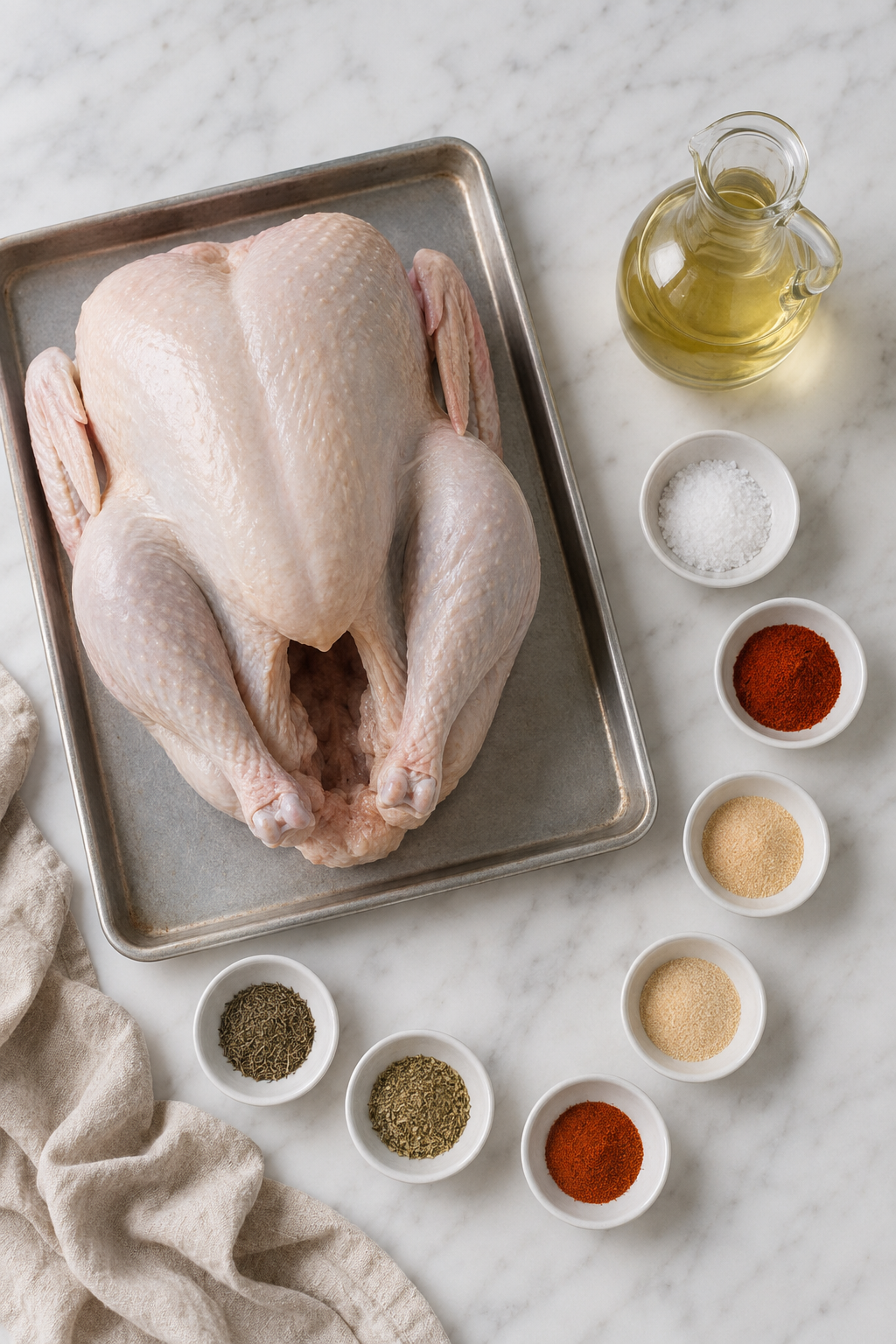
- One 10- to 12-pound whole turkey, completely thawed
- 3 to 5 gallons peanut oil, or the amount determined for your fryer
- 2 tablespoons kosher salt
- 1 tablespoon smoked paprika
- 1 tablespoon garlic powder
- 1 tablespoon onion powder
- 2 teaspoons dried thyme
- 2 teaspoons dried oregano
- 2 teaspoons black pepper
- 1 teaspoon cayenne pepper, optional
Why Peanut Oil Is Best for Frying Turkey
Peanut oil is a popular choice because it has a high smoke point and a mild flavor that does not overpower the turkey. Refined peanut oil is commonly used for deep frying, but consider your guests’ allergies before choosing it.
Canola oil or another neutral oil approved by your fryer’s manufacturer may also be used.
How to Measure the Right Amount of Oil
Do this test before seasoning or drying the turkey and while the fryer is completely cool and disconnected.
- Place the wrapped turkey inside the empty fryer pot.
- Add water until the turkey is just covered.
- Remove the turkey and allow the excess water to drain back into the pot.
- Mark the water level on the outside of the pot.
- Empty the pot and dry it completely.
- Dry the fryer rack and every piece of equipment that came into contact with the water.
- Fill the dry pot with oil only to the marked level.
Never add oil beyond the fryer manufacturer’s maximum fill line. There must be enough room for displacement and bubbling once the turkey is lowered into the pot.
How to Prepare a Turkey for Deep Frying
Remove the turkey from its packaging. Take out the neck, giblets and any plastic pieces or pop-up thermometer. Check both cavities carefully because ice can sometimes remain hidden inside.
Do not rinse the raw turkey. Rinsing can spread bacteria around the sink and nearby surfaces.
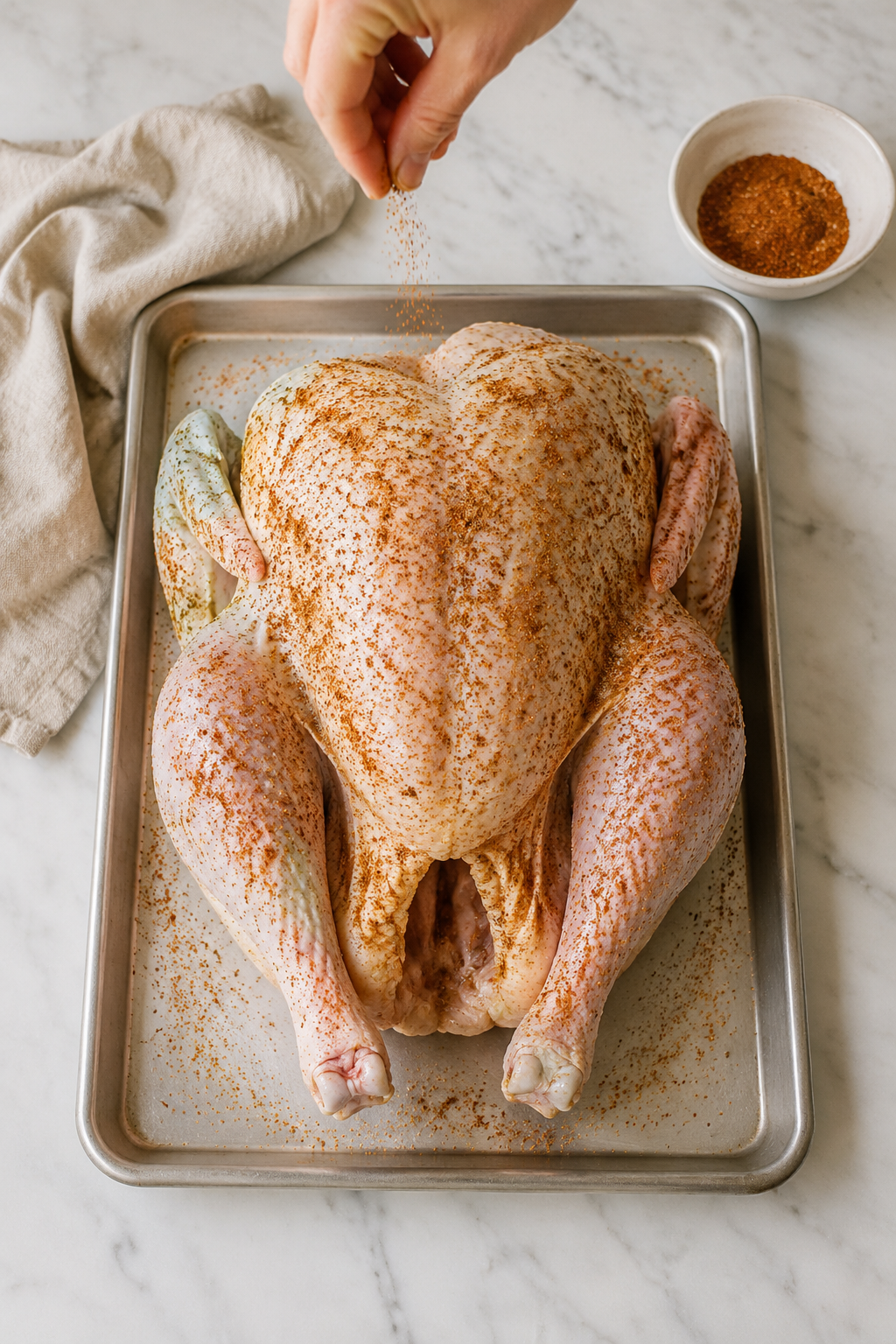
Combine the kosher salt, paprika, garlic powder, onion powder, thyme, oregano, black pepper and cayenne. Pat the turkey dry with paper towels before seasoning it inside and out.
Place the uncovered turkey on a rimmed baking sheet in the refrigerator for 12 to 24 hours. This dry-brining time seasons the meat while helping the surface dry for crispier skin.
Before frying, pat the turkey dry again. Check the cavity, neck opening and folds around the wings and legs for any remaining moisture or ice.
How to Fry a Thanksgiving Turkey Step by Step
1. Prepare the Frying Area
Set up the turkey fryer outdoors on a stable, level concrete surface. Keep the propane tank as far from the burner as the manufacturer’s instructions allow.
Make sure your lifting hook, gloves, thermometer, sheet pan and fire extinguisher are close enough to reach without leaving the fryer unattended.
2. Add and Heat the Oil
Fill the completely dry fryer pot with the predetermined amount of oil. Attach the thermometer and heat the oil to 350°F.
Watch the oil continuously. Never allow it to smoke.
3. Secure the Turkey
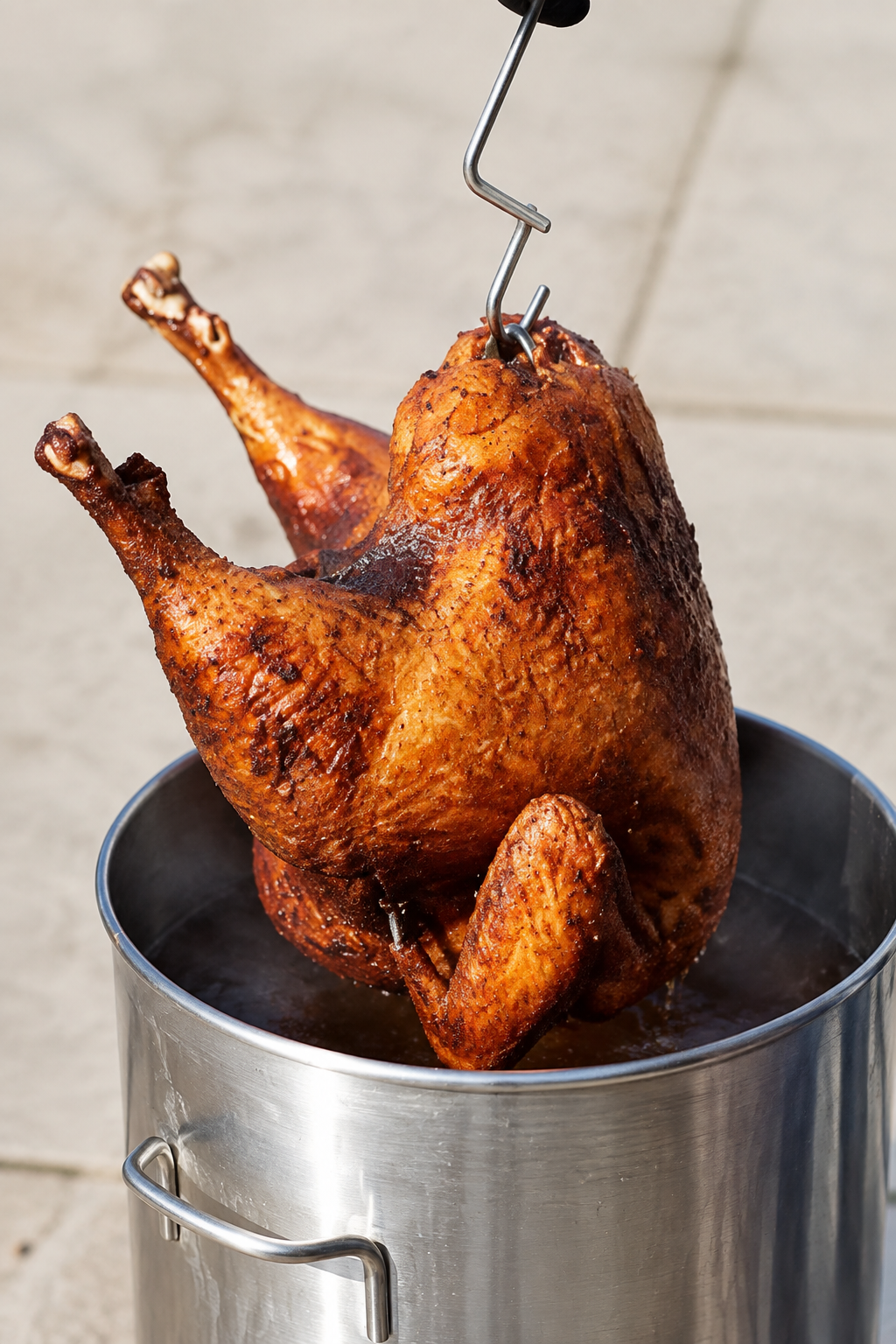
Place the completely dry turkey on the fryer rack according to the manufacturer’s directions. Most fryers position the turkey with the legs pointing upward so it can drain properly after cooking.
4. Turn Off the Burner
Once the oil reaches 350°F, turn off the burner before lowering the turkey. This reduces the chance that spilled oil will ignite on an open flame.
5. Slowly Lower the Turkey
Wearing protective gear, use the lifting hook to lower the turkey into the oil extremely slowly. Pause if the oil begins to bubble too aggressively.
Never drop the turkey into the pot or lean directly over the fryer.
6. Relight the Burner
Once the turkey is fully submerged and the oil has settled, relight the burner according to the manufacturer’s instructions. Adjust the heat to maintain an oil temperature close to 350°F.
7. Fry Until Fully Cooked
Fry the turkey for approximately 3 to 5 minutes per pound. Begin checking the internal temperature at the lower end of the estimated cooking time.
A 10-pound turkey will generally take approximately 30 to 50 minutes, while a 12-pound turkey may take approximately 36 to 60 minutes. Cooking time is only an estimate, so always rely on internal temperature.
8. Check the Temperature
Turn off the burner before lifting the turkey from the oil. Raise it slowly and allow the oil to drain back into the pot.
Check the thickest part of the breast, the innermost part of the thigh and the innermost part of the wing without touching the bone. The turkey must reach at least 165°F in all three places, according to USDA turkey-safety guidance.
If it has not reached 165°F, carefully return it to the oil and continue frying before checking it again.
9. Rest Before Carving
Transfer the turkey to a rimmed baking sheet and allow it to rest for at least 20 minutes. Resting helps the juices redistribute and gives the exterior time to drain.
Do not move or dispose of the oil until it has cooled completely.
How Long to Deep-Fry a Turkey
Use this chart only as a starting point. Turkey thickness, outdoor temperature, oil recovery time and fryer performance can all affect the cooking time.
| Turkey Weight | Estimated Frying Time |
|---|---|
| 8 pounds | 24 to 40 minutes |
| 9 pounds | 27 to 45 minutes |
| 10 pounds | 30 to 50 minutes |
| 11 pounds | 33 to 55 minutes |
| 12 pounds | 36 to 60 minutes |
The turkey is ready only after a food thermometer registers at least 165°F in the breast, thigh and wing.
Tips for the Best Fried Turkey
Make Sure the Turkey Is Completely Thawed
Even a small amount of ice can cause hot oil to splatter violently. Check the cavity and joints carefully before frying.
Dry Every Surface
Moisture and hot oil do not mix. Pat the skin and cavities dry, and make sure the fryer pot, rack and lifting equipment are completely dry.
Use a Smaller Turkey
A 10- to 12-pound turkey is easier to handle and cooks more evenly than a larger bird.
Keep the Oil at 350°F
Oil that is too cool can make the skin greasy, while overheated oil can burn the outside before the turkey cooks through.
Cook by Temperature, Not Just Time
Minutes per pound provide an estimate. A reliable meat thermometer determines when the turkey is actually safe to serve.
Turn Off the Flame Before Moving the Turkey
Always extinguish the burner before lowering or raising the turkey. Relight it only after the turkey is safely submerged and the oil has settled.
Make It Your Own
- Classic Cajun turkey: Increase the cayenne and add one teaspoon of white pepper.
- Herb fried turkey: Add dried sage and rosemary to the seasoning blend.
- Smoky turkey: Add an extra teaspoon of smoked paprika.
- Milder turkey: Leave out the cayenne pepper.
- Creole-inspired turkey: Replace the homemade seasoning with your favorite salt-conscious Creole seasoning.
Avoid coating the outside with sugary seasonings, wet marinades or butter immediately before frying. Sugar can burn, while surface moisture can cause dangerous splattering.
What to Serve With Fried Thanksgiving Turkey
Serve your crispy fried turkey with classic holiday favorites such as:
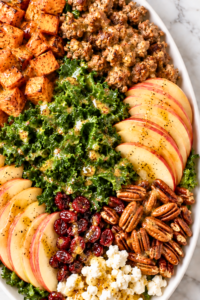
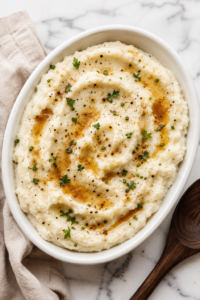
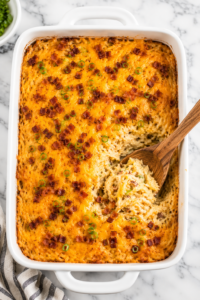
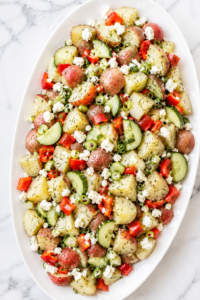

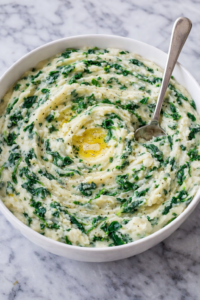
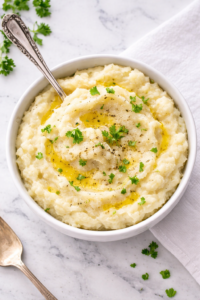

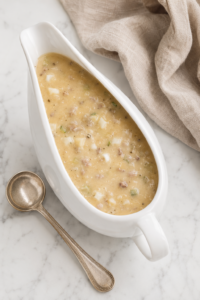
Because fried turkey does not produce traditional pan drippings, prepare your gravy with turkey stock, broth or reserved roasted turkey parts.
PrintHow to Make the Best Deep-Fried Thanksgiving Turkey
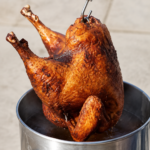
This deep-fried Thanksgiving turkey has crispy golden skin and tender, juicy meat seasoned with a simple homemade Cajun dry brine. Follow this step-by-step recipe for the correct turkey size, oil temperature, cooking time and essential safety precautions.
- Prep Time: 30 minutes
- Thaw and Brining Time: 12-24 hours
- Cook Time: 50 minutes
- Total Time: 0 hours
- Yield: 10 servings 1x
- Category: Thanksgiving
- Method: Deep Frying
- Cuisine: American
Ingredients
- 1 whole turkey, 10 to 12 pounds, completely thawed and unstuffed
- 3 to 5 gallons peanut oil, or the amount recommended for your fryer
- 2 tablespoons kosher salt
- 1 tablespoon smoked paprika
- 1 tablespoon garlic powder
- 1 tablespoon onion powder
- 2 teaspoons dried thyme
- 2 teaspoons dried oregano
- 2 teaspoons ground black pepper
- 1 teaspoon cayenne pepper, optional
Instructions
- Before seasoning the turkey, determine the correct oil level. Place the turkey inside the cool, empty fryer pot and add water until the turkey is just covered. Remove the turkey, mark the water level and empty the pot. Completely dry the pot, rack and lifting equipment before adding oil.
- Remove the turkey from its packaging. Take out the neck, giblets, pop-up thermometer and any plastic pieces. Check both cavities carefully for remaining ice. Do not rinse the turkey.
- Pat the turkey completely dry inside and out with paper towels.
- In a small bowl, combine the kosher salt, smoked paprika, garlic powder, onion powder, thyme, oregano, black pepper and cayenne.
- Sprinkle the seasoning evenly over the turkey, including inside the cavity and around the legs and wings.
- Place the seasoned turkey uncovered on a rimmed baking sheet. Refrigerate for 12 to 24 hours to dry brine.
- Before frying, pat the turkey dry again. Carefully check the cavity, neck opening, skin folds and joints for moisture or ice.
- Set up the turkey fryer outdoors on a flat, stable, nonflammable surface such as concrete. Keep it well away from your house, garage, deck, vehicles, children, pets and anything that could catch fire.
- Fill the completely dry fryer pot with peanut oil to the level determined during the water test. Never exceed the manufacturer’s maximum fill line.
- Attach a deep-fry thermometer and heat the oil to 350°F. Never leave the fryer unattended.
- Secure the turkey on the fryer rack according to the manufacturer’s instructions.
- Once the oil reaches 350°F, turn off the burner. Wearing heat-resistant gloves, closed-toe shoes and protective eyewear, use the lifting hook to lower the turkey into the oil extremely slowly. Pause if the oil bubbles too aggressively.
- Once the turkey is fully submerged and the oil has settled, relight the burner according to the manufacturer’s directions. Adjust the heat to maintain an oil temperature close to 350°F.
- Fry the turkey for approximately 3 to 5 minutes per pound. Begin checking the internal temperature at the lower end of the estimated cooking time.
- Turn off the burner before lifting the turkey from the oil. Slowly raise the turkey and allow the excess oil to drain into the pot.
- Check the temperature in the thickest part of the breast, the innermost part of the thigh and the innermost part of the wing without touching bone. The turkey must reach at least 165°F in all three areas.
- If the turkey has not reached 165°F, carefully return it to the oil and continue frying. Turn the burner off whenever raising or lowering the turkey.
- Transfer the cooked turkey to a rimmed baking sheet and rest for at least 20 minutes before carving.
Notes
- Use a turkey weighing no more than 12 pounds unless your fryer manufacturer specifically states otherwise.
- The turkey must be completely thawed, unstuffed and thoroughly dry.
- Never fry a frozen or partially frozen turkey.
- Use the fryer outdoors only on a stable, level and nonflammable surface.
- Never use a turkey fryer inside a garage, beneath an overhang or on a wooden deck.
- Turn off the burner before lowering the turkey into the oil and before lifting it out.
- Keep children and pets away from the cooking area.
- Never leave hot oil unattended.
- Keep an appropriate Class B or multipurpose fire extinguisher nearby.
- Never use water to extinguish an oil fire.
- Do not move or dispose of the oil until it has cooled completely.
- Cooking time is only an estimate. Internal temperature determines when the turkey is safely cooked.
- Peanut oil can be replaced with another neutral, high-smoke-point oil approved by your fryer manufacturer.
Equipment
- Outdoor propane turkey fryer with thermostat
- Large stainless-steel fryer pot
- Turkey rack and lifting hook
- Deep-fry thermometer
- Instant-read meat thermometer
- Rimmed baking sheet
- Paper towels
- Heat-resistant gloves
- Protective eyewear
- Class B or multipurpose fire extinguisher
How to Store Leftover Fried Turkey
Remove the remaining meat from the bones and place it in shallow airtight containers. Refrigerate leftovers within two hours of cooking.
Properly refrigerated turkey can be stored for up to four days. Reheat it to an internal temperature of 165°F before serving.
For longer storage, freeze the meat in freezer-safe containers for up to three months for the best flavor and texture.
Frequently Asked Questions
How many minutes per pound do you deep-fry a turkey?
Plan on approximately 3 to 5 minutes per pound at 350°F. Cooking times vary, so confirm that the breast, thigh and wing have each reached at least 165°F.
Can you deep-fry a frozen turkey?
No. Never put a frozen or partially frozen turkey into hot oil. Ice and water can cause the oil to splatter or overflow, potentially resulting in severe burns or fire.
Should I inject a turkey before frying it?
A turkey can be injected in advance, but adding liquid introduces another moisture concern. For a straightforward first attempt, this dry-brined recipe provides plenty of flavor without injecting liquid. Always follow your fryer manufacturer’s directions.
Do you fry a turkey with the lid on or off?
Follow the instructions included with your fryer. Many outdoor turkey fryers are used uncovered during cooking because a lid can trap condensation that may drip into the hot oil.
Can you stuff a deep-fried turkey?
No. A turkey must be completely unstuffed before deep frying. Cook your Thanksgiving stuffing separately in the oven.
How much oil do I need to fry a turkey?
Most setups require approximately 3 to 5 gallons, but the exact amount depends on the pot and turkey. Use the cold-water displacement test and never exceed your fryer’s maximum fill line.
Can I fry a turkey in the rain or snow?
No. Water, rain and snow can react dangerously with hot oil. Fry only outside in dry, calm weather. Do not move the fryer beneath a roof, garage or overhang.
How long should fried turkey rest?
Allow the turkey to rest for at least 20 minutes before carving. This gives the juices time to settle and allows excess oil to drain.
Final Thoughts
Deep-fried Thanksgiving turkey is crisp, juicy and packed with flavor, but this is one holiday recipe where preparation matters just as much as seasoning. Start with a smaller, completely thawed turkey, measure your oil carefully and keep the fryer outdoors on a stable, nonflammable surface.
Once you learn how to fry a Thanksgiving turkey correctly, you may never want to wait all day for a roasted bird again. The golden, crackling skin and tender meat make it a memorable centerpiece that is worth the extra planning.