Every year when spring rolls around and Easter gets close, something else happens that signals the start of homestead season — Chick Days at Tractor Supply. Walk into the store and you’ll hear peeping chicks, see tubs full of fuzzy ducklings, and suddenly everyone starts imagining backyard eggs and a little piece of farm life.
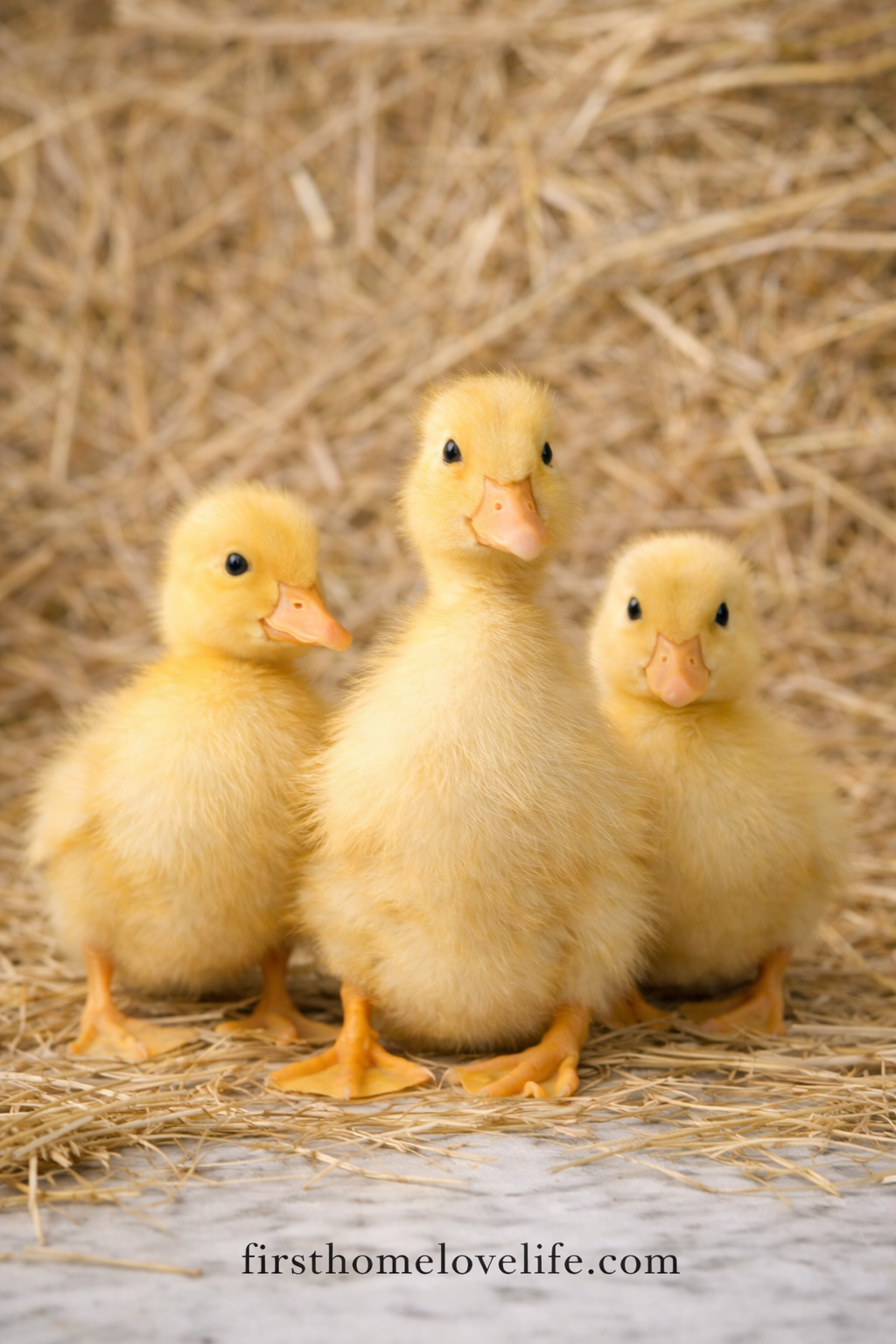
They say chickens are the gateway animal to farming… but for us, that wasn’t exactly the case.
At the time we were living in an HOA neighborhood, and chickens were definitely not allowed. But ducks? Well… technically they weren’t mentioned in the rules. So while everyone else was raising chickens, we were sneakily raising ducks in the backyard — and honestly, it turned out to be one of the best introductions to farm life we could have had.
Ducks are hardy, productive, hilarious little creatures, and once you raise them, it’s hard to imagine life without them.
If you’ve ever considered raising ducks for eggs, pest control, or just because they’re adorable, here’s everything you need to know to get started.
Why Ducks Are Great for Beginners
Ducks are often easier than chickens, especially for new homesteaders.
1. Ducks Are Extremely Hardy
Ducks handle weather much better than chickens.
They tolerate:
- Cold
- Rain
- Snow
- Mud
While chickens hide during bad weather, ducks are usually out splashing in puddles like it’s the best day ever.
This makes them great for northern climates where spring can still feel like winter.
2. Ducks Lay Incredible Eggs
Duck eggs are one of the biggest reasons people start raising ducks.
They are:
- Larger than chicken eggs
- Richer and creamier
- Higher in protein
- Amazing for baking
Many bakers swear by duck eggs because they make baked goods fluffier and richer.
Some breeds lay 250–300 eggs per year, rivaling many chicken breeds.
3. Ducks Are Incredible Garden Helpers
One of the biggest perks for gardeners is that ducks are natural pest control machines.
They love eating:
- Slugs (great if you have goats because the are a line of defense against DEER WORM
- Beetles
- Grubs
- Mosquito larvae
- Garden pests
Unlike chickens, ducks usually don’t scratch up garden beds, which means they can safely roam certain areas of your garden, but the will trample things so just be cautious of that.
For anyone growing vegetables or running a kitchen garden or potager, ducks can be a huge help.
4. Ducks Are Hilarious to Watch
Ducks have huge personalities.
They waddle, chatter, splash, and follow you around like little feathered puppies. Many duck owners say they become surprisingly affectionate and will greet you every day, and I found this particularly true with our black Swedish ducks. They were so affectionate and personable, BUT they were one of the louder breeds we had.
Their quirky personalities make them one of the most entertaining animals to raise.
Things to Know Before Raising Ducks
While ducks are wonderful, they do have a few quirks, so please don’t just buy them to stick in an Easter basket. Know what you’re getting into ahead of time…
Ducks Love Water (and Mess)
Ducks don’t just drink water — they play in it constantly.
They need water deep enough to:
- Dunk their heads
- Clean their nostrils
- Wash their eyes
However, this also means they turn everything into mud.
Many duck owners use:
- Rubber tubs
- Small kiddie pools
- Large water bowls
Just be prepared to refresh water often.
Ducks Don’t Roost Like Chickens
Unlike chickens, ducks don’t sleep on perches.
They prefer to sleep:
- On the ground
- In straw bedding
- In simple shelters
A basic duck house with good ventilation and predator protection is usually enough.
Ducks Are Social Animals
Ducks should never be raised alone.
They thrive in small flocks and should be kept in groups of at least 2–3 ducks.
This keeps them happier and reduces stress.
Best Duck Breeds for Beginners
If you’re just getting started, these breeds are excellent choices.
Pekin Ducks
- Friendly personality
- Large white ducks
- Good egg production
- Fast growing
Khaki Campbell Ducks
- One of the best egg laying ducks
- Up to 300 eggs per year
- Hardy and active
Runner Ducks (Not a Breed I’ve Owned, but Friends Love Theirs)
- Upright penguin-like stance
- Amazing pest control
- Great egg layers
Welsh Harlequin
- Calm temperament
- Beautiful feather patterns
- Excellent egg production
Black Swedish, Rouen, and Call Ducks are also ones I have owned or currently own and love them. I especially am fond of our call ducks now. Pickles our little hen is quite the diva in the barnyard and prefers to hang out with our geese. I’m convinced they make her feel big.
What Ducks Eat + Need Niacin
Ducks eat a diet similar to chickens but with a few differences.
Common duck foods include:
- Duck or chick starter feed
- Cracked corn
- Peas
- Greens and lettuce
- Garden scraps
- Bugs and insects
They also love treats like:
- Watermelon
- Cucumbers
- Peas in water (duck candy!)
Always provide grit if ducks are eating anything besides commercial feed.
Why Niacin Is Critical for Ducklings
One of the most important things new duck owners should know is that ducklings require significantly more niacin (vitamin B3) than chicks. This is one of the most common mistakes beginners make when raising ducks, especially during spring Chick Days when feed stores often sell ducklings alongside chicks.
Most starter feeds sold at farm stores are formulated for baby chickens, and while ducklings can eat chick starter, it often doesn’t contain enough niacin for proper duck development.
Niacin plays a huge role in:
- Bone development
- Leg strength
- Joint health
- Healthy growth
Without enough niacin, ducklings can develop serious leg problems very quickly.
Signs of Niacin Deficiency in Ducklings
A niacin deficiency can show up surprisingly fast in young ducks. Watch for symptoms like:
- Weak or wobbly legs
- Difficulty standing or walking
- Bowed legs
- Sitting more than normal
- Legs splayed out to the sides
If untreated, ducklings can become permanently crippled, which is why prevention is so important.
Easy Ways to Add Niacin to a Duckling’s Diet
Fortunately, preventing niacin deficiency is simple.
Here are the most common ways duck owners supplement it:
1. Brewer’s Yeast (Most Popular Option)
Many duck keepers sprinkle brewer’s yeast over duckling feed.
Typical ratio:
- 1 tablespoon brewer’s yeast per cup of feed
It’s inexpensive, natural, and easy to find at health food stores or feed stores.
2. Niacin Supplements (This is my preferred method)
Plain niacin tablets (not time-release) can be dissolved into drinking water if needed.
3. Use Waterfowl Starter Feed
Some farm stores carry feed specifically labeled “duck starter” or “waterfowl starter”, which already contains proper niacin levels.
How Long Do Ducklings Need Extra Niacin?
Ducklings benefit from extra niacin during their first 8–10 weeks of life, when their legs and bones are growing rapidly.
After that point, most ducks can transition to standard waterfowl or flock feed without supplementation.
A Lesson Many Duck Owners Learn the Hard Way
If you spend any time around duck keepers, you’ll hear this advice over and over again:
“Always add brewer’s yeast to duckling feed.”
It’s one of those simple little tricks that can make the difference between healthy, happy ducklings and birds struggling to walk.
When we first started raising ducks, this was one of the first things experienced duck owners told us — and it’s advice I always pass along to anyone bringing home those adorable little ducklings from Tractor Supply in the spring.
How Much Space Ducks Need
Ducks don’t need as much space as many people think.
General guidelines:
Coop space
- 4–6 sq ft per duck
Outdoor run
- 10–15 sq ft per duck
Free ranging is even better if predators are not an issue.
Do Ducks Need a Pond?
This is a common question.
The answer is no.
Ducks do not require a pond to live healthy lives. They simply need water deep enough to dip their heads.
Many backyard duck owners successfully raise ducks with:
- Large bowls
- Stock tanks
- Kiddie pools
Though if you give them a pond, they will absolutely love it.
How Many Ducks Should You Start With?
A good beginner flock is usually:
3–6 ducks
Tractor Supply I believe has a limit that you must buy 6, but if you have a friend who wants ducks too, you can split the cost.
This gives them companionship and provides plenty of eggs without becoming overwhelming.
Why Ducks Became Our First Farm Animals
Looking back, those sneaky little HOA ducks were really the beginning of everything.
What started as a couple of ducklings quickly turned into:
- backyard eggs
- a love of animals
- gardening
- and eventually full farm life
Ducks were our gateway animal, even if chickens get all the credit.
They’re hardy, productive, entertaining, and surprisingly easy to raise — which makes them perfect for anyone curious about starting a little backyard homestead.
And honestly, if you walk into Tractor Supply during chick days and hear those ducklings peeping… don’t say I didn’t warn you.
You might leave with a box of them too.
FAQ About Raising Ducks
Are ducks easier than chickens?
In many ways, yes. Ducks are more weather-resistant and often hardier than chickens, though they can be messier with water.
How long do ducks live?
Most domestic ducks live 8–12 years with proper care.
Do ducks need a coop?
Yes, ducks should have a safe shelter at night to protect them from predators.
Are duck eggs safe to eat?
Absolutely. Duck eggs are richer and often preferred for baking.
Are ducks loud?
Female ducks can be loud when quacking, but most backyard flocks are quieter than you might expect.
There’s just something special about raising ducks. Maybe it’s the way ducklings waddle behind you, the quiet chatter they make when they’re happy, or the excitement of collecting those rich, beautiful eggs each morning. What starts as a few fuzzy ducklings from TSC can quickly turn into a flock that becomes part of your daily life. Ducks are hardy, entertaining, and surprisingly easy to care for once you understand their basic needs—especially things like proper feed and making sure ducklings get enough niacin for healthy leg development. Whether you’re starting a backyard flock, building a small homestead, or just dreaming about farm life, ducks are one of the most rewarding animals you can raise.