I Didn’t Want To Write This…
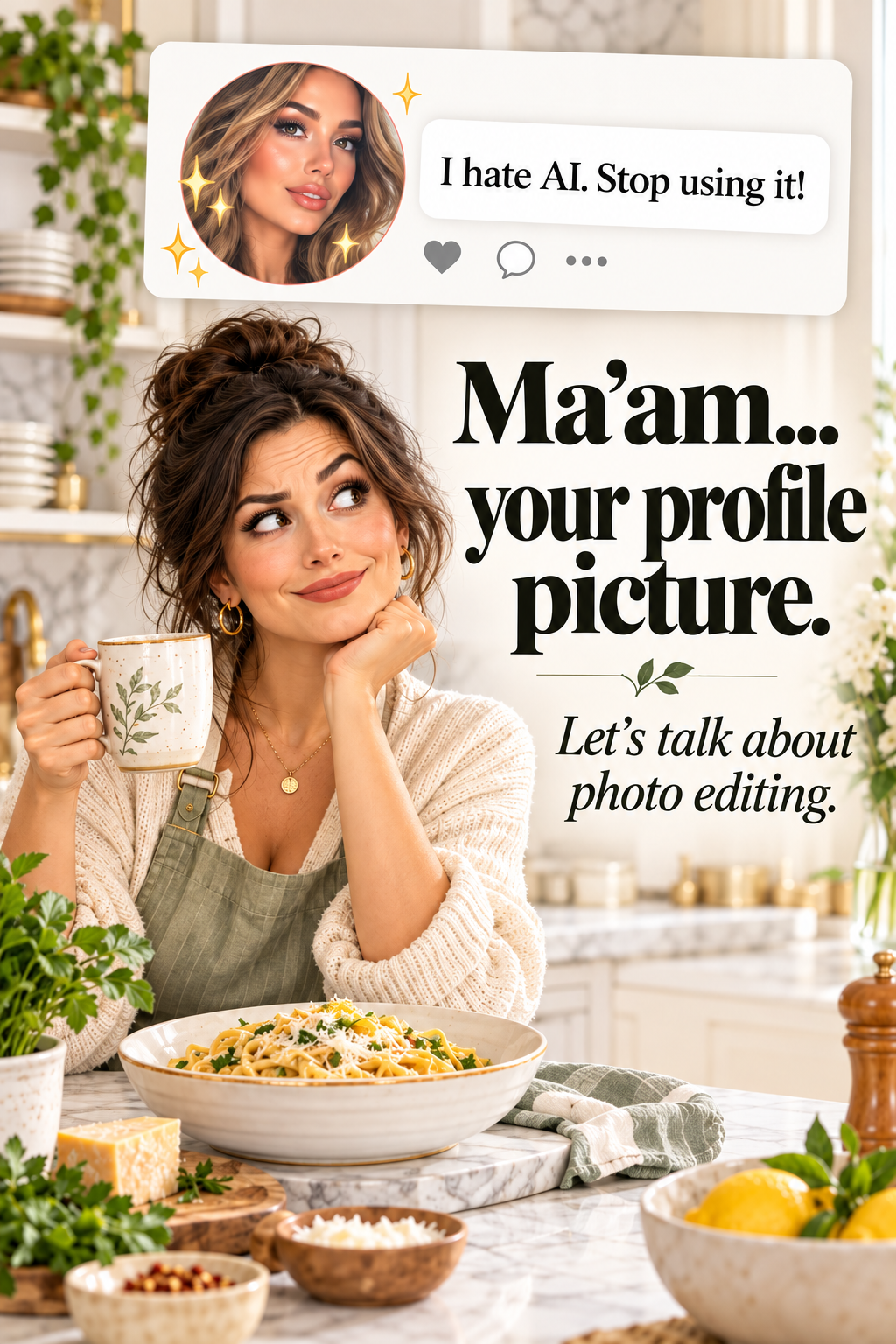
Lately, I’ve been seeing more and more comments on Pinterest like “stop using AI” and “I hate AI.”
Ma’am… I appreciate your comment but coming from someone who has heavily filtered your profile picture to one step below a magazine cover, I have a few thoughts…
You find a dinner that looks delicious, save a decorating idea, or click on a photo that catches your eye. Then you notice those two words: “AI modified.”
Does that mean the whole thing is fake? Was there ever a real photo? Can you still trust the idea behind it?
Those are fair questions. But AI photo editing covers a wide range of changes, and the label alone doesn’t tell the whole story.
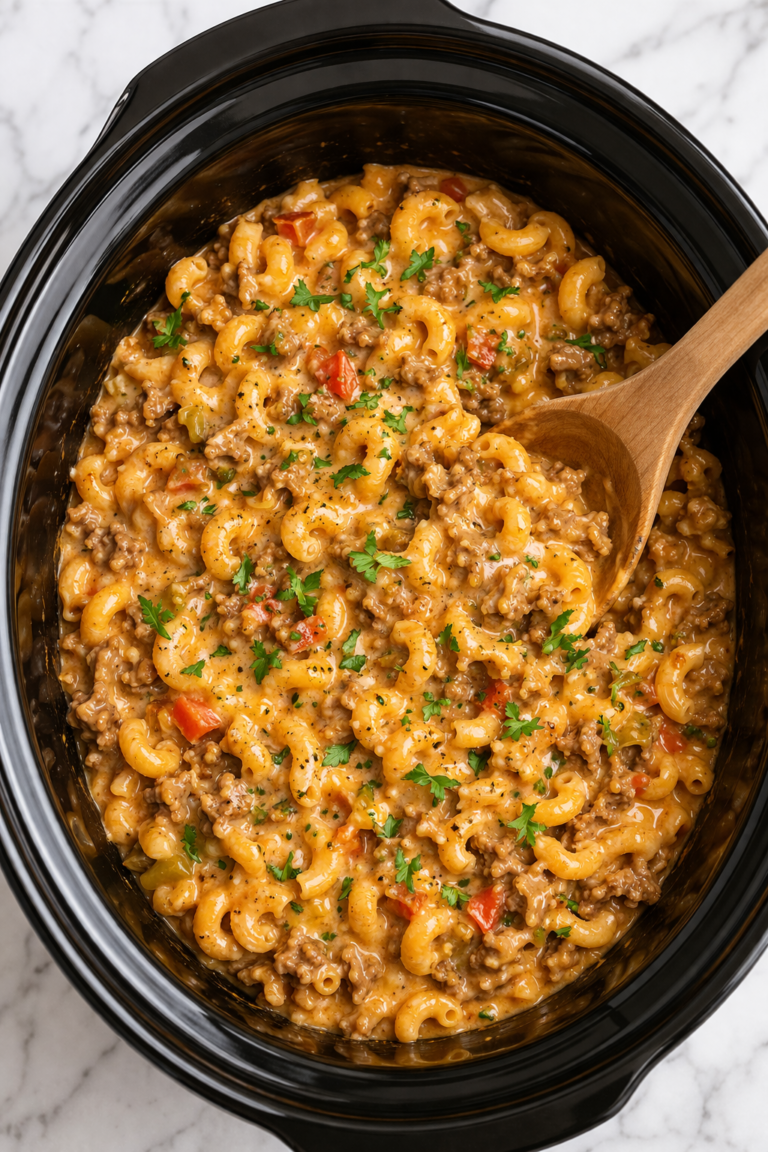
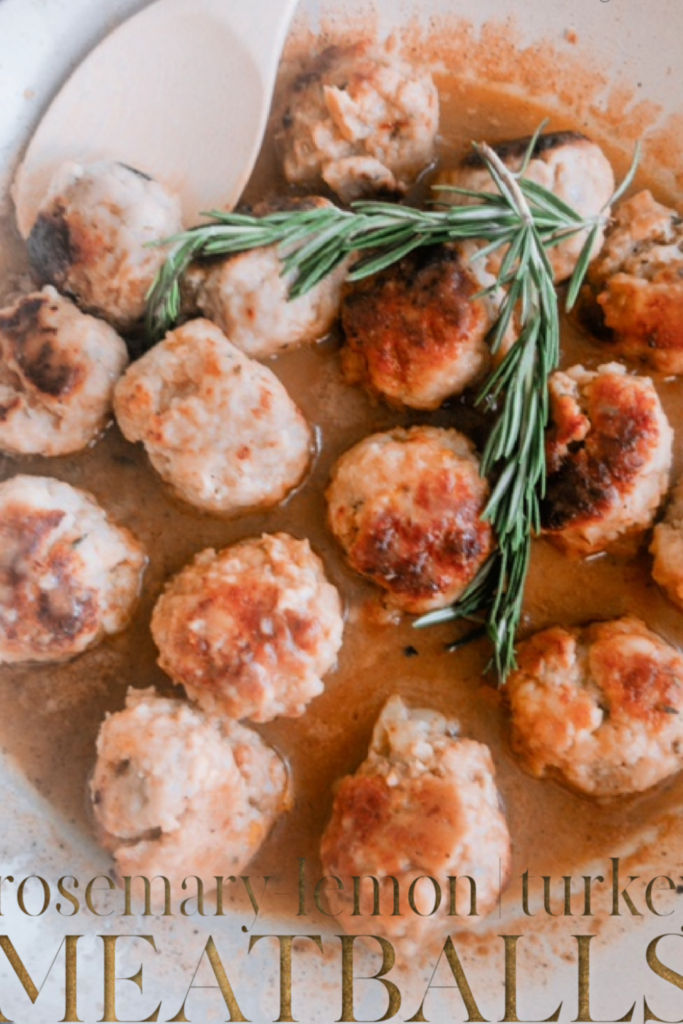
Here is an old post from 2020 that I just recently updated my original photos. The Best Juicy Turkey Meatballs with Rich Homemade Gravy
My original photo has outdated text on it. It’s blurry, and the use of rosemary garnish was too much for what people like now when it comes to images. The recipe is exactly the same. It’s still delicious as ever, but the new and improved edited photo is more “me.” It’s what I was trying to portray from the start, and what I want someone to see and say “Wow! I need to make this!”

Using AI to edit a photo is not automatically a bad thing. What matters is what was changed, how honestly the image is presented, and whether the content delivers what it promises.
For bloggers and small business owners, learning these tools can also be a practical part of keeping up with an online world that keeps changing.
I understand wanting food photos you can trust. When you click on a recipe, you want a reasonable idea of what you’re going to make. That matters 100%.
But using AI photo editing software does not automatically make a recipe fake or erase the work of the person behind it. There is a difference between improving a photograph and creating a misleading picture of something a recipe cannot deliver. So before we lump every edited food photo into the same category, I think that difference deserves a conversation.
What Is AI Photo Editing?
AI photo editing uses artificial intelligence to help change an image. Depending on the tool, that might mean removing an unwanted object, selecting a background, reducing distracting noise, or generating new parts of a picture.
Some edits are small. Others can completely transform what you see.
For example, Adobe’s Generative Remove tool can remove unwanted objects from an existing photograph. That is a different use of AI from creating an entire dinner scene from a written description.
It helps to understand three possibilities:
- An enhanced photograph: An existing picture is adjusted to improve its presentation.
- A photograph with generated changes: Parts of the original picture are added, replaced, or rebuilt.
- A fully generated image: A new image is created instead of documenting a photographed scene.
These differences matter. An edited background and an entirely invented meal shouldn’t automatically lead us to the same conclusion because let’s be honest with ourselves, out of the two photos above you look for on Google, you’re picking the improved modernized one.
Photo Editing Was Here Long Before AI
Food photography did not suddenly become edited when artificial intelligence entered the conversation.
Cropping, exposure adjustments, color correction, sharpening, and straightening have been part of digital photo editing for DECADES. A photo taken under yellow kitchen lighting may need help to look closer to what you saw in person. A dark image may need brighter shadows so readers can see the food.
Those adjustments are not automatically dishonest.
AI photo editing adds more possibilities, and some deserve closer scrutiny. Canva, for example, offers AI tools that can remove, replace, or reposition elements within an image. That goes beyond simply moving a brightness slider.
That is why I think we should talk about what was changed and whether it misleads the reader, rather than treating every use of photo editing software as the same thing.
Blogging Off and On Since 2011
If you scroll far enough back through First Home Love Life, you can still find posts from 2011, 2012, and the years that followed. You’ll see a basic camera, basic photo editing software, and me learning as I went. I didn’t have any formal training in anything computer or photography related.
Those pictures are part of this website’s history. They remind me of a time when sharing something you did was more of like a diary entry and didn’t feel like it required an entire production team.
As blogging changed, the expectations grew. Better photography. Then videos became HUGE. More social media content. Heavy advertising and sponsorships. More work behind the scenes to keep everything going.
And I and many others couldn’t always keep up.
A lot of bloggers with the extra funds were able to buy the new equipment, go to all the conferences and private learning clinics, some would hire photographers, videographers, photo editors, and people to create and manage their social media. There is nothing wrong with getting help. But that kind of support costs money, and it wasn’t something everyone could or wanted to do.
Blogging helped me bring in money here and there while allowing me to stay home with my young child, but as I tried to keep up with the expanding expectations of readers, followers, every company sponsorship, the constant changes to Google and social media, and the pressure to hire people just to maintain everything was, quite honestly, sucking the joy out of it for me. Something I loved doing was starting to feel like something I had to keep spending money on just to keep up, and don’t even get me started on the negativity that comes from the random miserable people that find you and feel the need to just be nasty.
“Oh well, you put yourself out there so you have to have a tough skin to do this.” Excuse me…No. No, you don’t have to and that’s exactly why I’ve had comments turned off for years. You have no idea what people are going through on the other side of your keyboard. For me personally, it was an emotionally abusive marriage, and I literally COULD NOT handle any more of that from some complete stranger on the internet.
I wanted to cook, create, and share. I didn’t want every idea to come with another miserable person trying to wreck my mental health, an expense, or another task I needed to outsource.
With all that said, back to the photo editing…
Today, I primarily use Canva to edit my photos. Before that, I used Adobe and/or PicMonkey. Before that, honestly, I couldn’t tell you every program I tried. My photo editing tools have changed along with my skills, my budget, and the demands of running a website.
That is part of why I’m open to AI photo editing. Used thoughtfully, these tools can make some of the work more manageable for someone who doesn’t have a team behind them. They can give an independent creator more room to create within the time and budget they actually have.
I still care about sharing images that reasonably represent the recipe. But I also want room to learn, use modern tools, and enjoy the work that brought me here in the first place.
I Stopped Blogging and Why I Came Back
If you’ve followed First Home Love Life for a long time, you may have noticed a stretch when I wasn’t updating the website very often. There’s a reason for that.
One, my marriage was falling apart behind the scenes, and I’m not the type of person who can fake happiness. Two, My Facebook and Instagram account were hacked, and I lost the community I had built there—more than 80,000 followers. Poof! Gone! After putting years into growing those pages and connecting with people, losing it was devastating.
It wasn’t just a number. It was years of work, conversations, and a way for people to find what I was sharing. Having that disappear took a lot of the wind out of my sails.
So I stepped back. For years, I put more of my time and energy into our farm and the life happening right in front of me.
Now my daughter is in college, and I have a much more supportive and helpful partner, so it finally felt like the right time to come back. I missed having a creative space of my own and sharing the recipes and projects I enjoy.
And, honestly, we have a lot of mouths to feed around here. If you’ve bought hay lately, you understand that part of the motivation!
We’ve also recently become fosters for cats as the cat population around us has grown out of control. Between the farm animals and the cats we’re helping care for, there is always someone who needs food, attention, or a clean place to sleep.
Coming back to blogging gives me a way to do something I love while helping support the life and animals we care for.
But returning after years away also meant learning how much has changed. That’s another reason I’m open to modern photo editing tools, including AI-assisted options. I want to make this work manageable enough to keep showing up, enjoy creating again, and still have time for everyone waiting to be fed and loved.
Why Bloggers and Small Creators Use AI Photo Editing
When you open a recipe post, you see the finished page: the photographs, ingredient list, instructions, and helpful tips.
Behind that page is a much longer list of jobs that a lot of people not in this world just do not understand.
Someone has to plan the recipe, buy the groceries, cook, photograph the food, write the instructions, edit the pictures, format the post, and create images for social media. Then there are older posts to update and reader questions to answer.
For a small business, all of those jobs may belong to one person.
An editing tool that simplifies a repetitive task can make a real difference. It can help clean up a distracting background, adapt a picture to a different layout, or make a complicated edit more manageable.
I own and manage a small farm. A lot of my recipe posts happen after all that work gets done and most of the time it’s at night, which if you know anything about photography is not good.
Saving time on an editing which used to take me HOURS can leave more room for the work readers actually come for: helpful instructions, useful ideas, and thoughtful updates.
Do Creators Have to Use AI to Keep Up?
There is no rule that every blogger, photographer, or small business owner must use AI. There are plenty of ways to create beautiful, useful content.
But the pressure to adapt is understandable.
One recipe may need pictures for a blog post, different layouts for Pinterest, and additional visuals for other social platforms. Editing software is also introducing AI features into tools creators already use.
For someone running a business alone, learning which features are useful becomes another part of the job.
We don’t have to use every new tool. But we do have to keep learning as the way we share our work changes.
That is where AI photo editing can make sense. It can help creators handle some of the work without needing a bigger team or spending hours on every picture.
Keeping up doesn’t mean abandoning standards. It means deciding which tools help us do our work well.
What Does “AI Modified” Mean on Pinterest?
Pinterest explains that its AI labels can apply to images that have been generated or modified using AI. An “AI modified” label does not, by itself, establish that the entire picture was created from scratch. help.pinterest.com
It also doesn’t tell you exactly which parts were changed.
That distinction is easy to miss when you’re scrolling.
A label provides context, but it can’t answer every question about the content behind a picture. You still need to look at the actual post.
Are the instructions clear? Does the result seem realistic? Does the creator explain substantial visual changes when that information would matter?
Those details help you make a more informed judgment than the label alone.
The Person Behind the Website Still Matters
There is another side to this conversation that has very little to do with software.
After blogging since 2011, I have seen a lot of ugliness on the internet.
Like I said I turned off comments on my website years ago because the negativity was bringing me down. Something I enjoyed creating had started coming with an emotional cost I no longer wanted to carry.
People I started blogging alongside have quit because of the negativity and nastiness online. Behind those websites were people who had put time, care, and years of work into what they shared.
I’m still undecided about opening my comments again.
I want to get on, create my recipes and projects, share something useful, and then get off and live my life. I don’t want every workday to turn into an argument about whether someone approves of the tools I use.
There is room for respectful questions about AI in photography, and there is room for different opinions, too.
There also needs to be room for creators to set boundaries.
Using Modern Tools Can Still Be Authentic
It is reasonable to have questions about AI. It is also reasonable for creators to explore tools that make their work more manageable.
There is room for both.
A creator can care deeply about the quality of a recipe, project, or tutorial while using technology to help present it. Choosing a faster editing method doesn’t automatically erase the effort behind the work.
At the same time, convenience doesn’t remove the responsibility to check the result.
The person publishing the image still needs to decide whether it is accurate, appropriate, and helpful. That judgment matters regardless of which software was used.
Authenticity comes from being honest about the work and delivering something readers can use.
Dislike AI Without Being Unkind
You don’t have to like AI-generated images. You don’t have to use AI photo editing software yourself.
It is reasonable to care about authenticity, misleading images, and how creative tools are used. Asking a thoughtful question about a photograph is not the same as attacking the person who shared it.
But a preference does not need to become a personal insult.
You can decide a website isn’t for you and move on…
It’s really that simple. That applies to far more than food photography.
What Readers Should Look For Beyond the Picture
A beautiful photograph may be what gets your attention, but the information behind it is what makes a post worth saving.
For a recipe, look for clear measurements, understandable instructions, helpful cooking cues, and practical notes. For a home project, look for materials, realistic steps, and an explanation of what the finished result involves.
An attractive image is an invitation to look closer.
The real value is whether the content helps you make dinner, solve a problem, or try something with confidence.
That standard remains useful whether a photograph was edited manually, adjusted with AI, or presented without much editing at all.
Frequently Asked Questions About AI Photo Editing
Is using AI to edit photos cheating?
Using AI to edit an everyday blog or social media photo is not automatically cheating. The context and the changes matter. Competitions and documentary work may have specific rules, while everyday content still needs to represent its subject honestly.
Does an AI-edited photo mean a recipe is fake?
No. A photograph may have AI edits while the recipe comes from real cooking and testing. However, a convincing picture also doesn’t prove a recipe was tested. The instructions and information provided by the creator matter.
Is AI photo editing the same as generating an image?
No. AI editing can involve changing an existing photograph, while image generation can create an entirely new scene. Some editing tools generate replacement details, so the two can overlap.
Can bloggers use AI editing and still be authentic?
Yes. Creators can use modern editing tools while presenting their work honestly. Reviewing edits carefully and explaining significant generated changes helps readers understand what they are seeing.
Moving Forward With Better Tools and the Same Expectations
The internet will keep changing, and the tools we use to share recipes, homes, and everyday ideas will change with it.
I think there is room to embrace useful tools while keeping reader trust at the center. Learning a faster way to edit a picture doesn’t automatically erase the care behind the work.
Creators need room to adapt.
Readers deserve honesty but need to be less judgmental. Those two things can exist together.
Before dismissing a photo because it says “AI modified,” take a look at the information behind it. The most important question is whether what you find is honest, helpful, and worth your time.