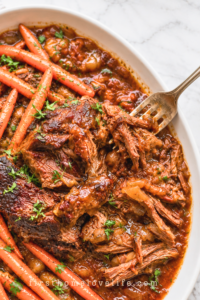
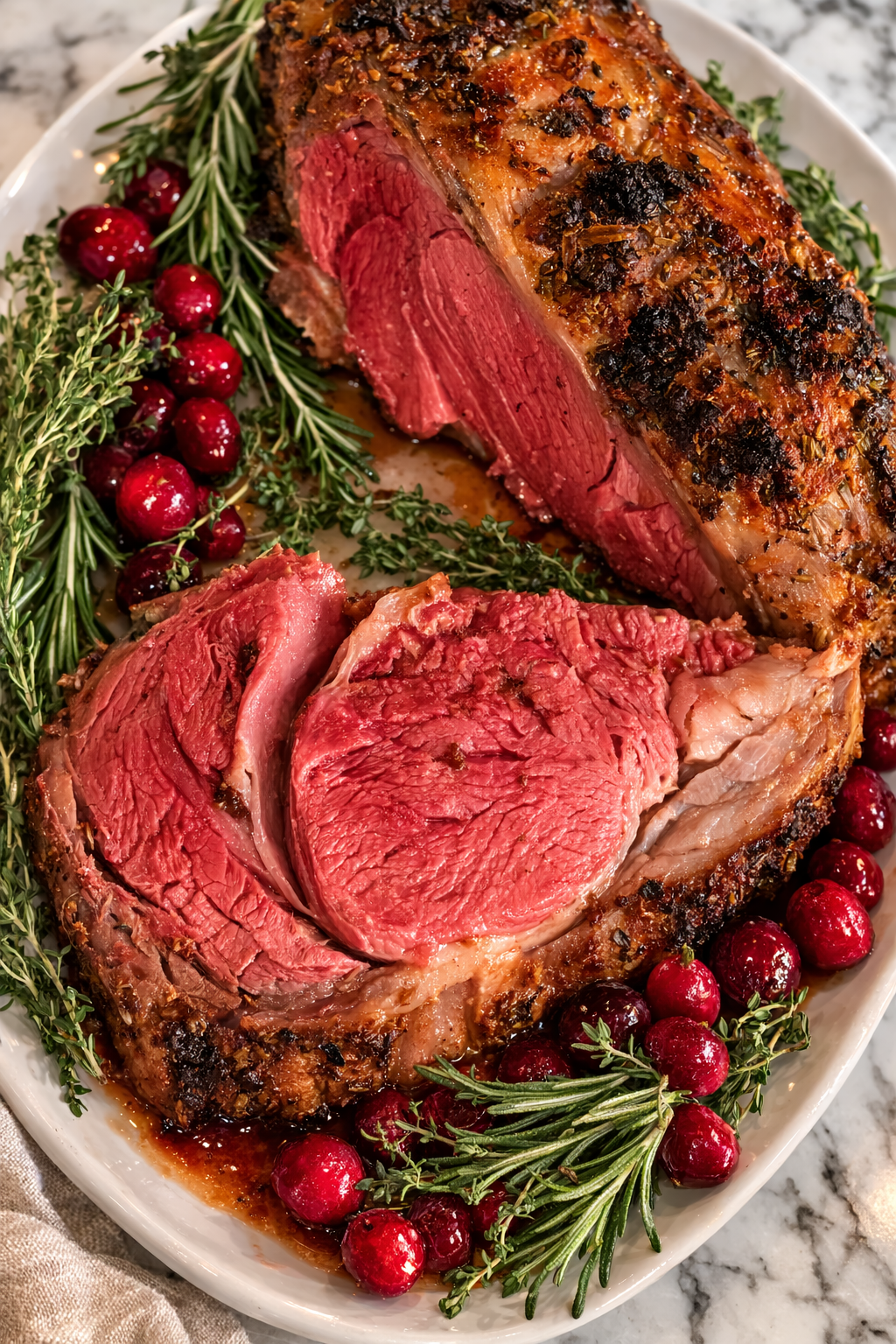
This prime rib recipe brings a beautifully browned garlic herb crust, tender beef, and homemade au jus to your holiday table. A bone-in roast gets a generous coating of herb butter with a little bacon grease for extra savory flavor, then roasts uncovered until it reaches your preferred doneness.
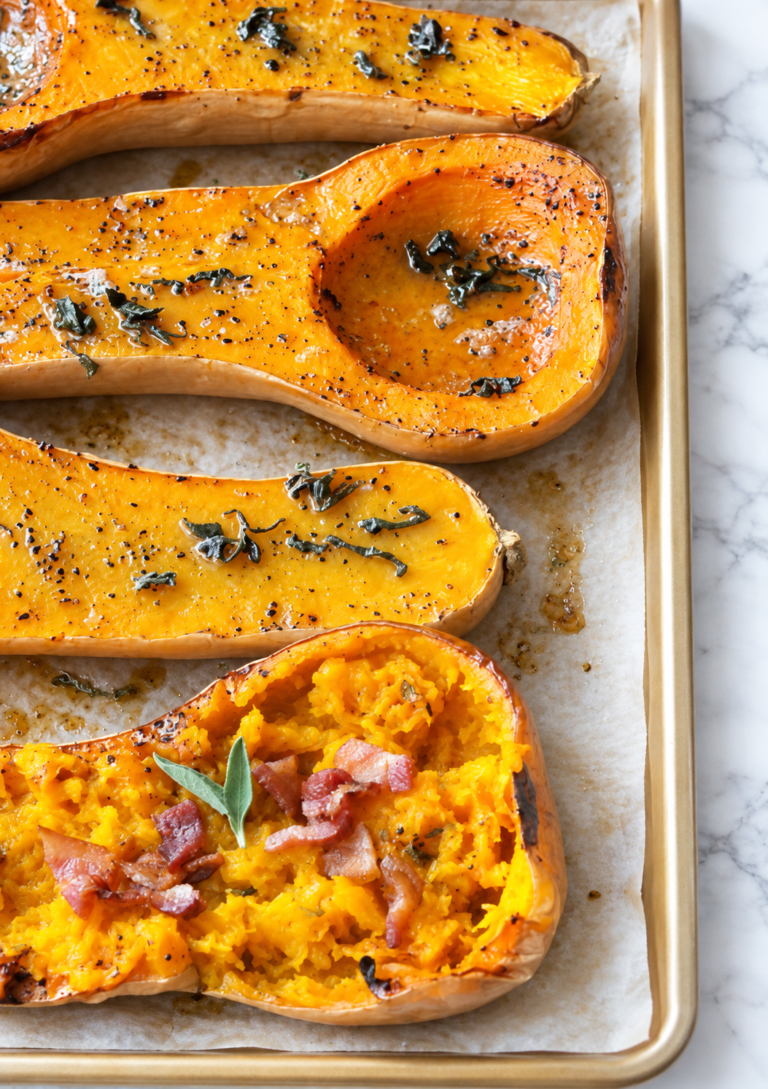
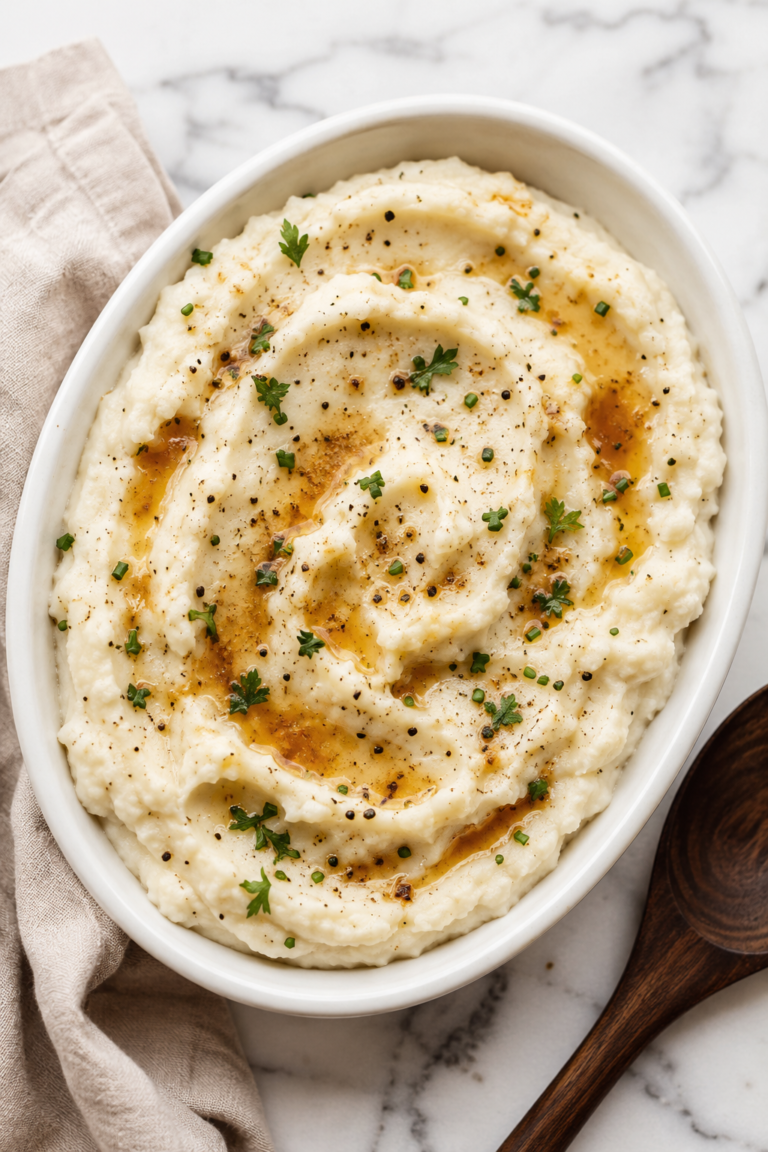
Whether you’re planning a Christmas prime rib dinner or serving beef instead of turkey for Thanksgiving, this is a centerpiece you can build the whole meal around. Add brown butter mashed potatoes, a green vegetable, and warm rolls to catch every spoonful of the pan juices.
More Holiday Meals You’ll Enjoy
Why You’ll Love This Holiday Prime Rib Recipe
- Garlic herb butter crust: Butter, garlic, rosemary, parsley, and Herbs de Provence season the outside of the roast.
- Simple preparation: Most of the work happens before the beef goes into the oven.
- Homemade au jus: Beef broth, red wine, and the roasting juices become a savory sauce.
- Flexible holiday menu: Serve it as your Christmas roast or a Thanksgiving turkey alternative.
- Helpful make-ahead steps: Mix the butter and horseradish sauce the day before.
For more ideas to round out a November celebration, browse my Thanksgiving dinner menu.
What Is Prime Rib?
Prime rib is a beef roast cut from the rib section. A bone-in version is also called a standing rib roast. The fat marbling gives the meat its rich flavor and tender texture.
“Prime rib” names the cut; it does not automatically mean the beef carries the USDA Prime grade. Ask your butcher for a well-marbled rib roast. Having the bones cut away and tied back on makes carving easier while allowing you to roast the beef on the bones.
How Much Prime Rib Per Person?
For a bone-in prime rib served with several holiday sides, plan on approximately ¾ to 1 pound of uncooked roast per person. Choose the higher amount for generous appetites or leftovers.
| Guests | Approximate bone-in roast weight |
|---|---|
| 4 | 3–4 pounds |
| 6 | 4½–6 pounds |
| 8 | 6–8 pounds |
| 10 | 7½–10 pounds |
This recipe uses a 5–6-pound roast and serves approximately 6–8 people with sides, depending on portion size. A larger roast will need additional cooking time.
Ingredients for Garlic Herb Butter Prime Rib
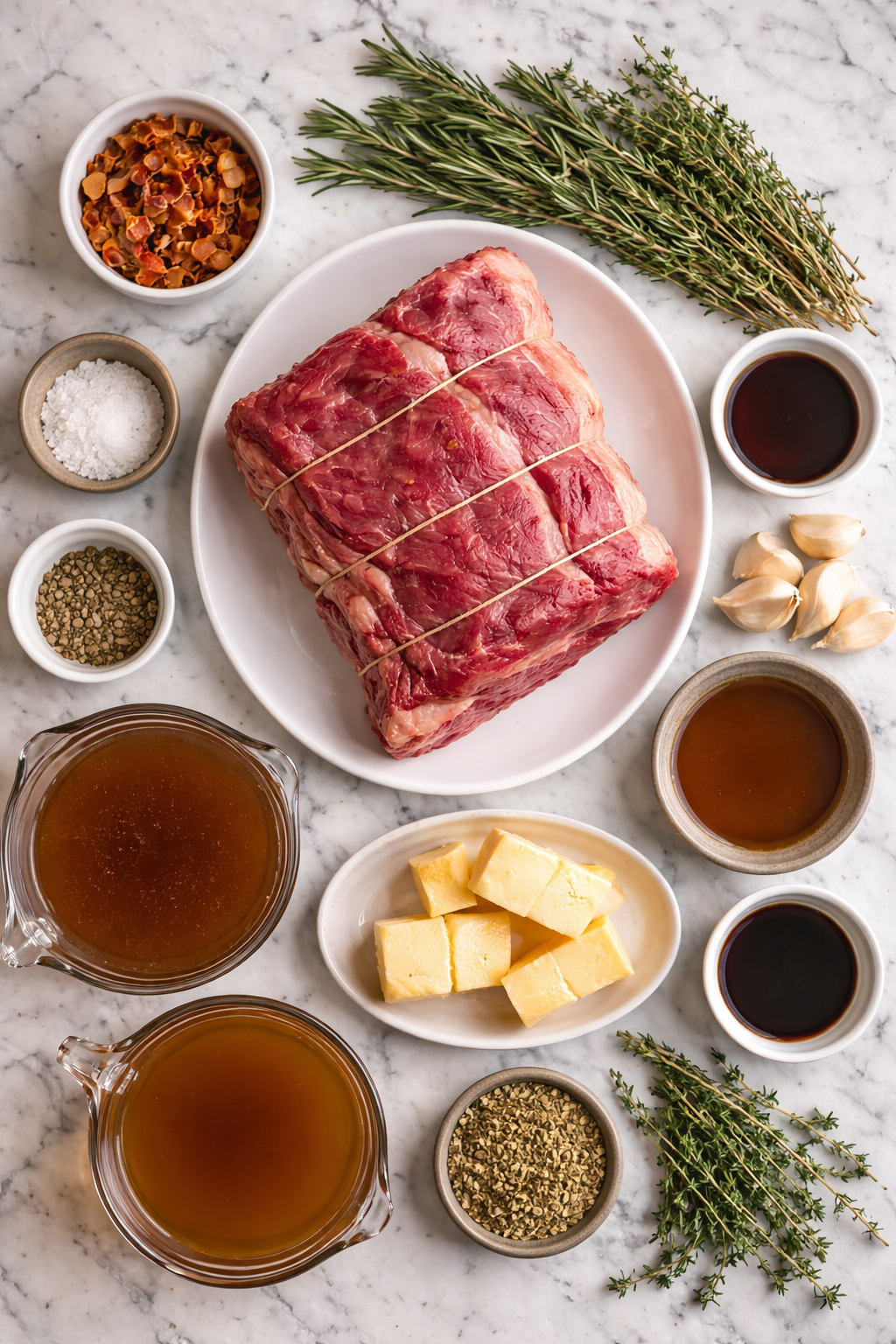
For the roast
- 1 bone-in prime rib roast, 5–6 pounds, bones tied on if detached
- 6 tablespoons unsalted butter, softened
- 2 tablespoons bacon grease, cooled and spreadable, or additional unsalted butter
- 2 tablespoons minced garlic
- 2 teaspoons kosher salt
- 1 tablespoon coarsely ground black pepper
- 2 tablespoons dried Herbs de Provence
- 1 teaspoon chopped fresh rosemary
- 1 tablespoon chopped fresh parsley
For the au jus
- 2½ cups low-sodium beef broth, divided, plus extra if the pan dries out
- 2 whole garlic cloves
- 1 fresh rosemary sprig
- ½ cup dry red wine, or additional beef broth
- 2 teaspoons Worcestershire sauce
Optional horseradish cream
- 1 cup sour cream
- 2 tablespoons prepared horseradish, drained
- 1 teaspoon Worcestershire sauce
- 1 small garlic clove, finely minced
- Salt and pepper, to taste
Use softened butter so the seasoning spreads easily. If you prefer to skip the bacon grease, use 8 tablespoons of butter total. Low-sodium broth gives you more control over the finished au jus.
How to Cook Prime Rib Perfectly
1. Prepare the roast and oven
Preheat the oven to 450°F. Pat the roast thoroughly dry with paper towels. Place it fat side up on a rack in a roasting pan, with the bones underneath.
Set an oven-safe probe thermometer in the thickest part of the beef, avoiding bone and large pockets of fat. A thermometer is more dependable than cooking by weight alone.
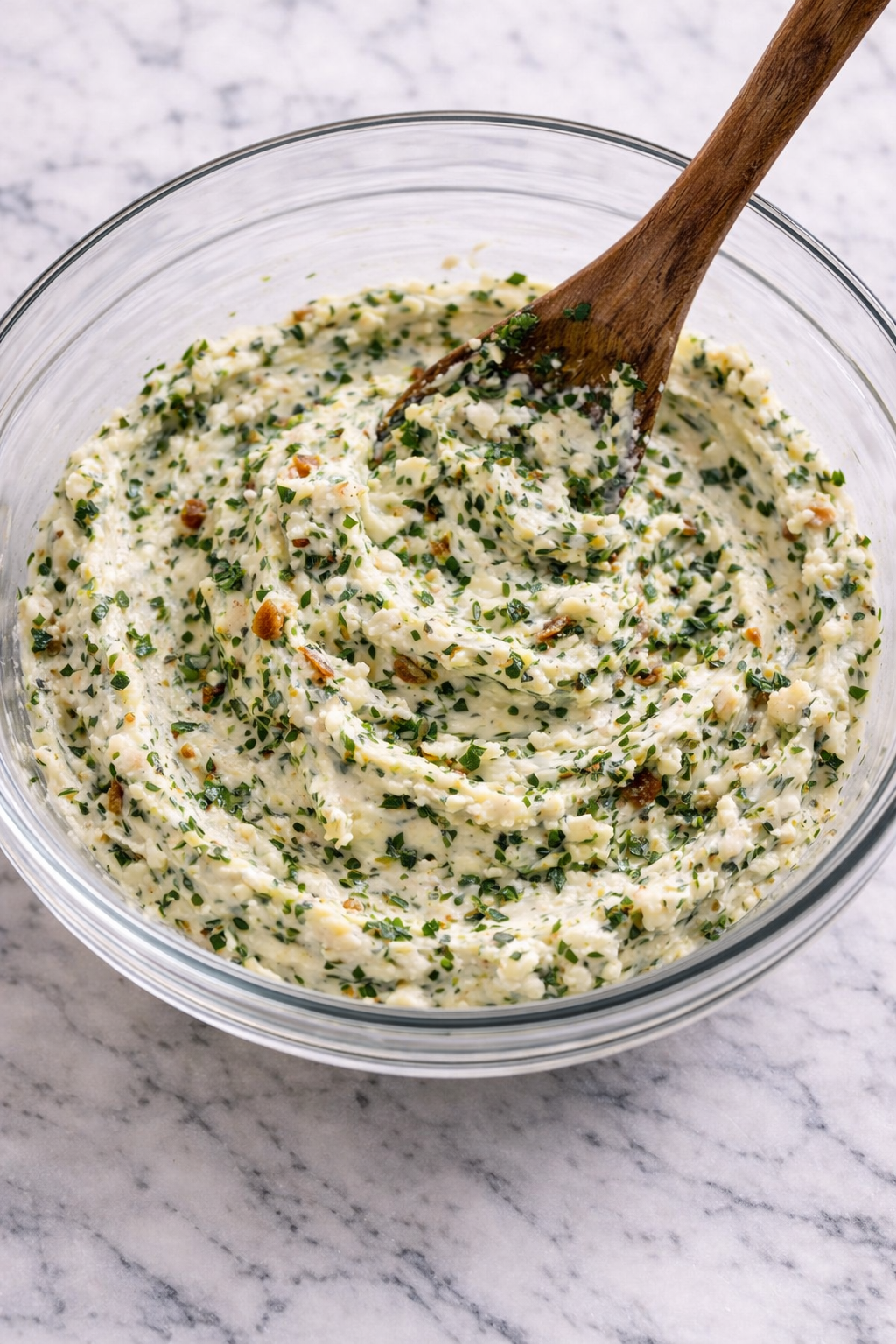
2. Make the garlic herb butter
Stir together the softened butter, bacon grease, minced garlic, salt, pepper, Herbs de Provence, rosemary, and parsley.
Spread the mixture over the exposed meat and fat cap. Press it gently onto the surface so the herbs cling to the roast.
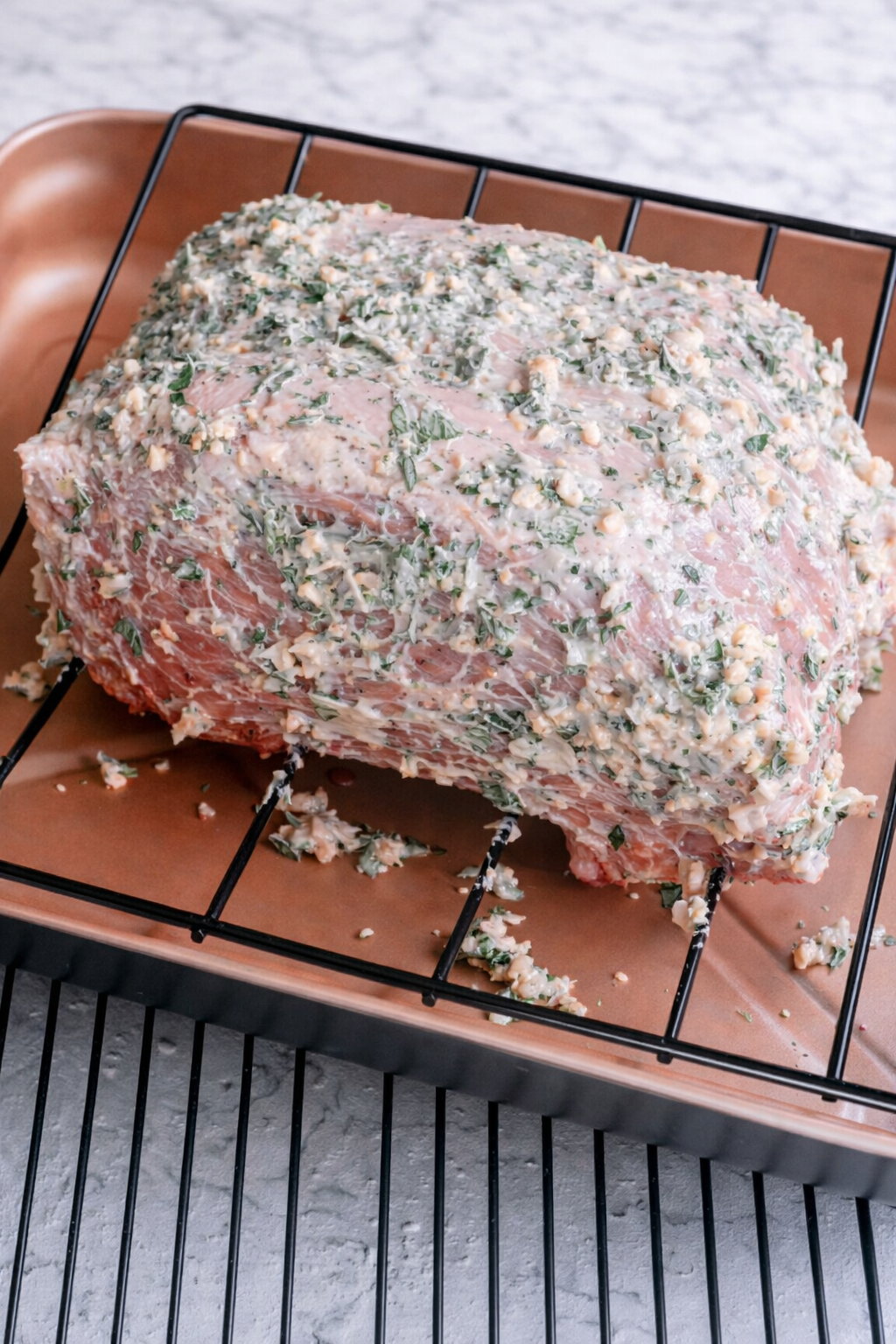
3. Add the broth and aromatics
Pour 1½ cups of the beef broth into the bottom of the pan. Add the whole garlic cloves and rosemary sprig. Keep the liquid beneath the rack rather than pouring it over the butter coating.
4. Roast uncovered
Roast at 450°F for 20 minutes, then reduce the oven temperature to 250°F and continue roasting uncovered.
Begin checking the temperature after about 1½ hours at the lower setting, but allow extra time. The roast’s thickness, starting temperature, your oven, and desired doneness can change the cooking time considerably. Do not promise dinner based on minutes per pound alone.
Check the pan occasionally. Add a little extra broth if it is drying out, and loosely shield the top with foil if the garlic starts getting too dark.arantee perfect results.
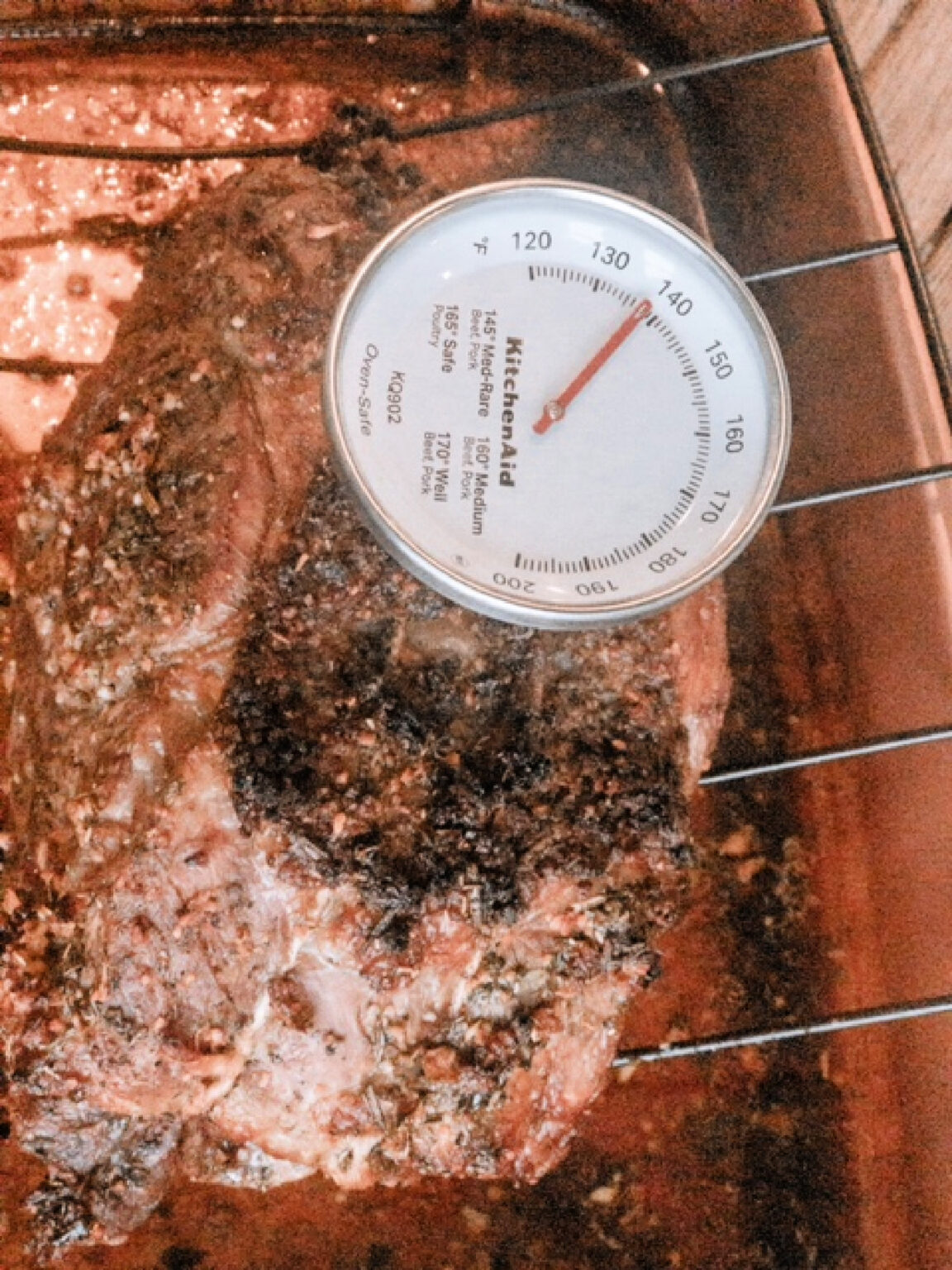
5. Check doneness and rest
For food safety, USDA recommends cooking beef roasts to 145°F before removing them from the oven, followed by a rest of at least 3 minutes. Restaurant-style rare and medium-rare prime rib are cooked below that recommendation.
Transfer the roast to a carving board and tent loosely with foil for 20–30 minutes before slicing. The internal temperature will continue to rise during the rest; the amount varies with the size of the roast and cooking conditions.
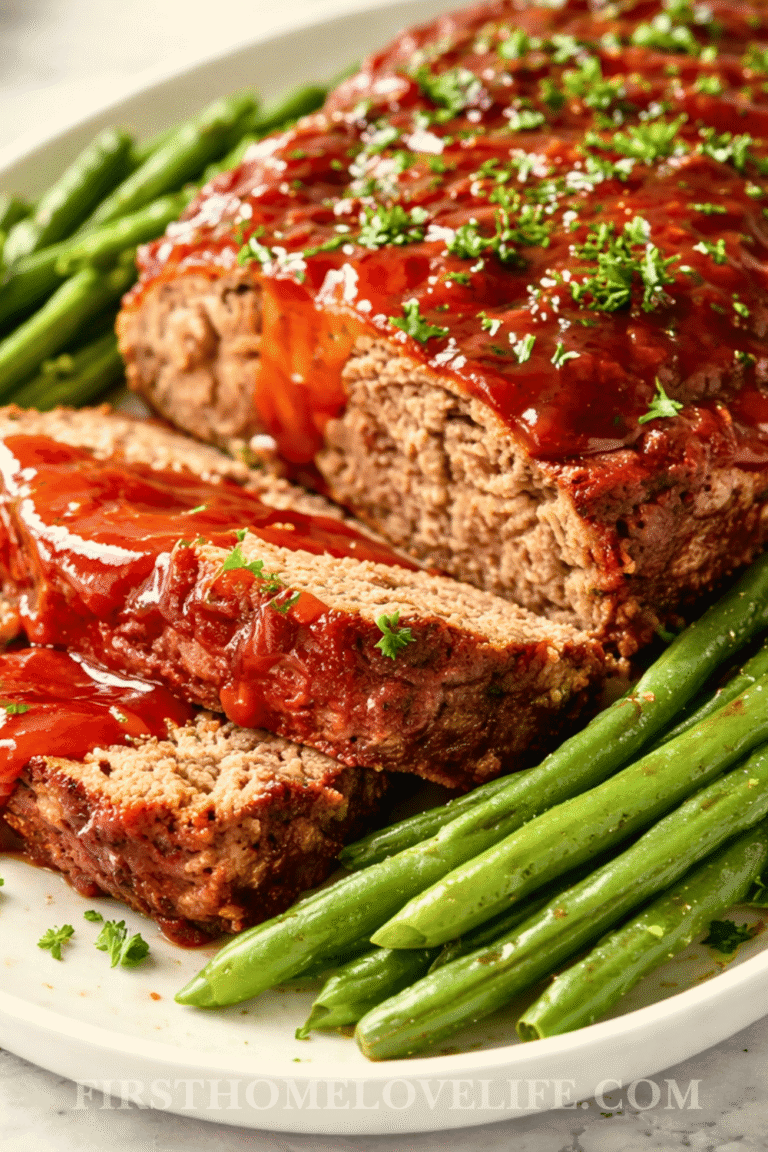
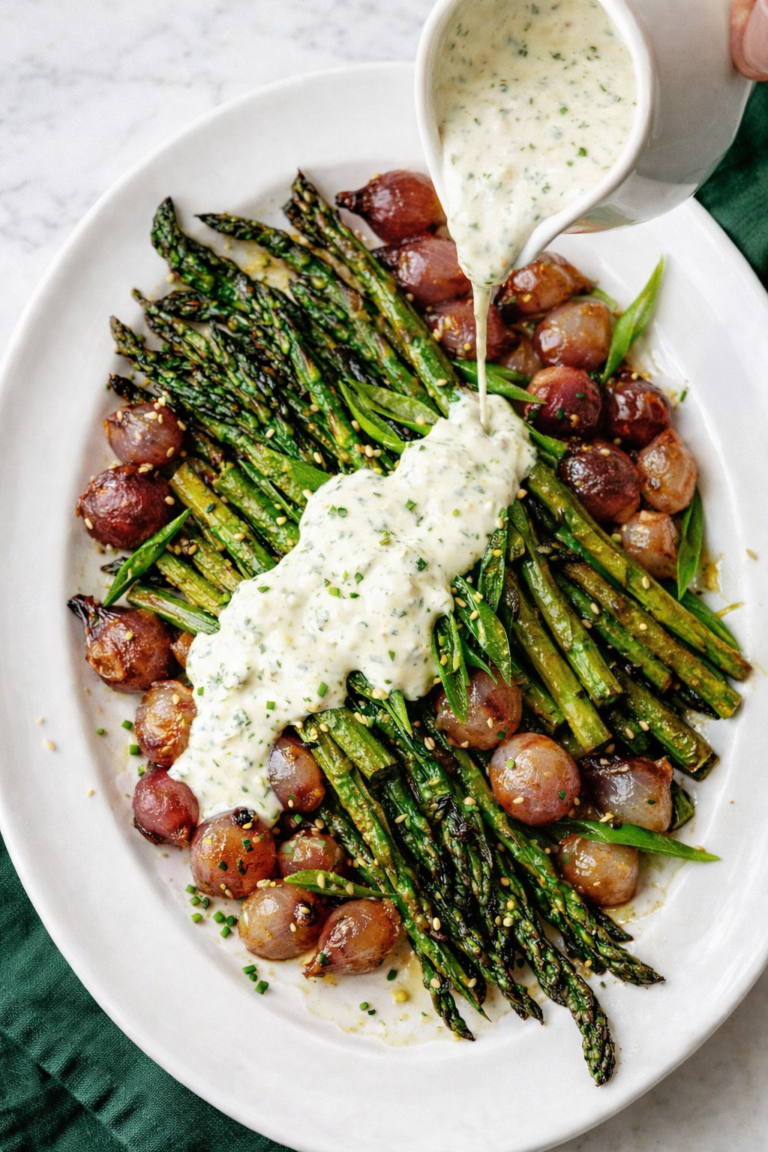
Use this resting time to finish the sauce and your side dishes. Creamy Boursin green beans are a convenient stovetop option.
6. Make the au jus
Remove the rosemary sprig and whole garlic cloves from the pan. Skim off excess fat, leaving the flavorful juices.
If the roasting pan is safe for stovetop use, set it over medium heat. Otherwise, transfer the juices to a saucepan and loosen the browned bits in the roasting pan with a little hot broth.
Add the wine, remaining 1 cup broth, and Worcestershire sauce. Scrape up the browned bits and simmer for 5–10 minutes, until the flavor comes together. Taste before adding salt. Strain if you prefer a smooth sauce.
Au jus is a thin, savory sauce, so it will not thicken like flour-based gravy.
7. Carve and serve
Remove the kitchen twine and separate the bones from the roast if needed. Slice across the grain into portions and serve with warm au jus.
For the optional horseradish cream, stir the ingredients together and refrigerate until serving.
Prime Rib Temperature Guide
Remove the roast when it reaches:
- 120–125°F – Rare
- 130–135°F – Medium Rare (recommended)
- 135–140°F – Medium
- 145°F+ – Well Done
Remember the roast will continue cooking while resting.
Optional Horseradish Cream Sauce
This classic sauce pairs perfectly with rich prime rib.
Mix together:
- 16 oz sour cream
- 3–4 tablespoons Worcestershire sauce
- 1 minced garlic clove
- ¼ cup prepared horseradish
- Salt and pepper to taste
Chill until ready to serve.
Tips for the Best Prime Rib Roast
Use a meat thermometer
It removes all guesswork and ensures perfect doneness.
Let the roast rest before slicing
This keeps the meat juicy.
Cook bone-in if possible
The bones add flavor and help insulate the meat.
Start hot, then slow roast
This technique creates a crust while keeping the interior tender.
Thanksgiving Prime Rib Dinner Ideas
Prime rib makes a special Thanksgiving main dish when your family prefers beef or you want a second protein alongside turkey. Keep the sides familiar so you still have the flavors everyone expects from a holiday meal.
Serve it with brown butter mashed potatoes and green bean goat cheese gratin. Add cranberry sauce or relish for something bright alongside the rich beef.
Use my Thanksgiving dinner menu to choose additional sides and plan your preparation schedule.
Christmas Prime Rib Dinner Ideas
For a Christmas dinner menu, serve thick slices of garlic herb prime rib with au jus, horseradish cream, and two or three sides.
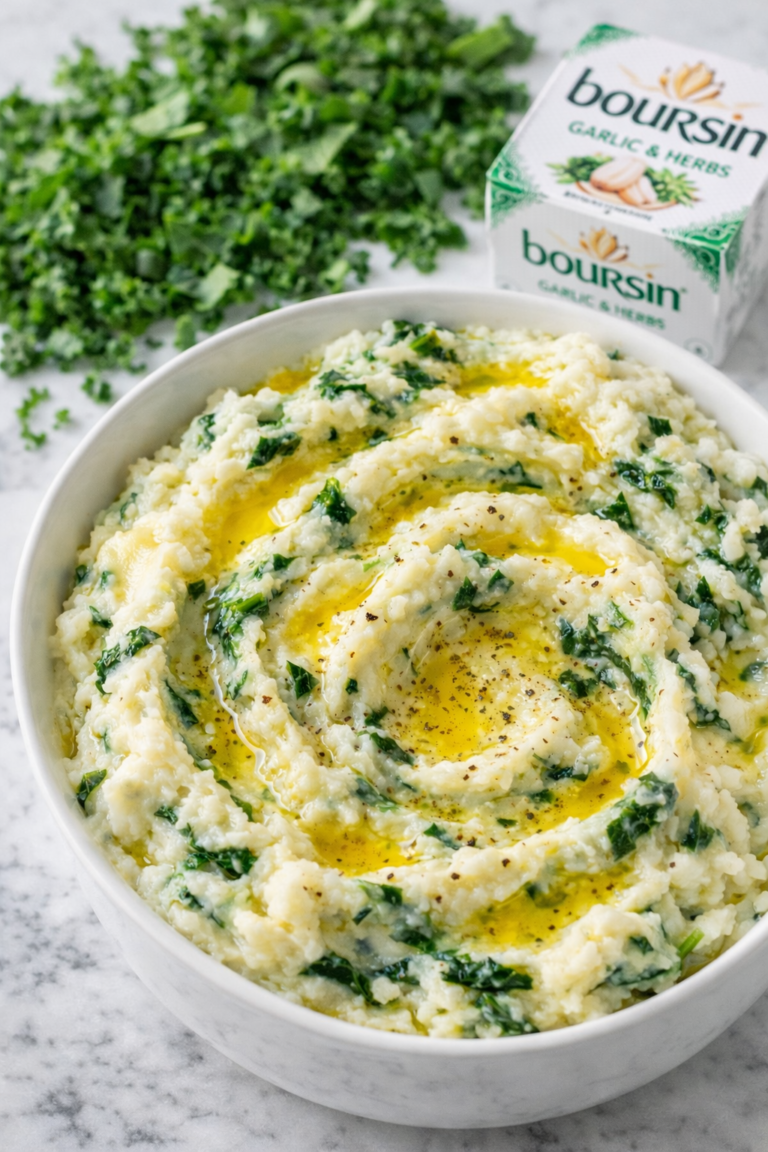
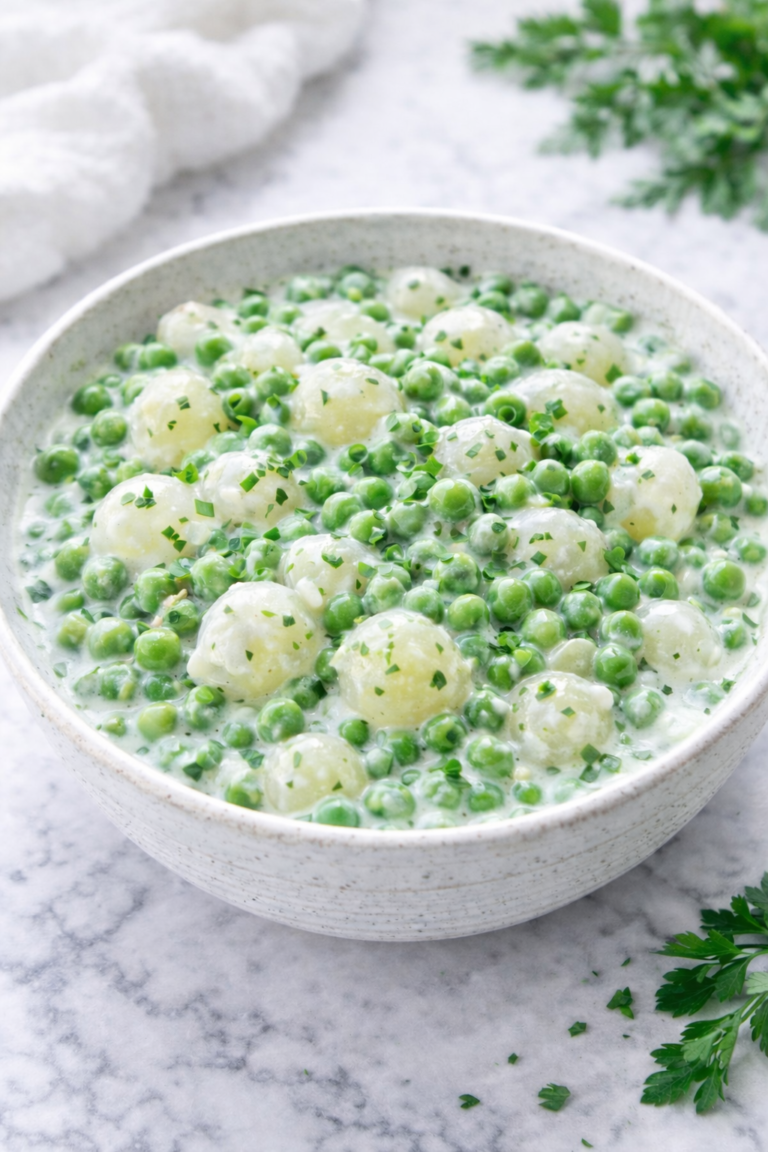
Creamed spinach mashed potatoes bring steakhouse flavors to the table, while creamed peas and pearl onions add a classic holiday vegetable dish. Finish the menu with warm rolls and a crisp green salad.
If oven space is limited, choose stovetop sides or dishes you can reheat while the roast rests.
What to Serve with Prime Rib
Prime rib pairs beautifully with comforting side dishes like:
Garlic Herb Butter Prime Rib with Au Jus
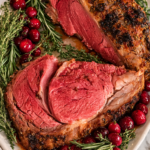
This garlic herb butter prime rib makes a beautiful centerpiece for Thanksgiving or Christmas dinner. The bone-in roast is coated with butter, garlic, and herbs, then served with homemade au jus and optional horseradish cream.
- Prep Time: 20 minutes
- Rest Time: 20-30 minutes
- Cook Time: Approximately 2½–3½ hours; varies by roast and doneness
- Total Time: Approximately 3 hours 10 minutes–4 hours 20 minutes
- Yield: 6–8 servings 1x
- Category: Dinner
- Method: Roasting
- Cuisine: American, Holiday Recipes
Ingredients
For the Prime Rib
- 1 (5–6-pound) bone-in prime rib roast
- 6 tablespoons unsalted butter, softened
- 2 tablespoons bacon grease, cooled and spreadable, or additional unsalted butter
- 2 tablespoons minced garlic
- 2 teaspoons kosher salt
- 1 tablespoon coarsely ground black pepper
- 2 tablespoons dried Herbs de Provence
- 1 teaspoon chopped fresh rosemary
- 1 tablespoon chopped fresh parsley
For the Au Jus
- 2½ cups low-sodium beef broth, divided, plus more as needed
- 2 whole garlic cloves
- 1 sprig fresh rosemary
- ½ cup dry red wine, or additional beef broth
- 2 teaspoons Worcestershire sauce
For the Optional Horseradish Cream
- 1 cup sour cream
- 2 tablespoons prepared horseradish, drained
- 1 teaspoon Worcestershire sauce
- 1 small garlic clove, finely minced
- Salt and black pepper, to taste
Instructions
-
Prepare the roast. Preheat the oven to 450°F. Pat the prime rib dry with paper towels. Place it fat side up on a rack in a roasting pan, with the bones underneath. If the bones have been detached, keep them tied to the roast with kitchen twine.
-
Mix the garlic herb butter. In a small bowl, combine the softened butter, bacon grease, minced garlic, kosher salt, pepper, Herbs de Provence, chopped rosemary, and parsley.
-
Season the beef. Spread the butter mixture evenly over the exposed meat and fat cap, pressing gently so the seasoning adheres.
-
Prepare the roasting pan. Pour 1½ cups of the beef broth into the bottom of the pan. Add the whole garlic cloves and rosemary sprig. Insert an oven-safe meat thermometer into the thickest part of the roast, avoiding bone and large pockets of fat.
-
Begin roasting. Roast uncovered at 450°F for 20 minutes. Reduce the oven temperature to 250°F and continue roasting. Begin checking the internal temperature after about 1½ hours at the lower temperature, allowing additional time as needed. Add a little broth if the pan begins to dry out. Loosely shield the top with foil if the garlic or herbs become too dark.
-
Check the internal temperature. Use the thermometer rather than the clock to determine when the roast is ready. USDA recommends cooking beef roasts to 145°F before removing them from the oven, followed by at least a 3-minute rest. Rare and medium-rare preparations fall below this recommendation.
-
Rest the prime rib. Transfer the roast to a carving board and tent loosely with foil. Rest for 20–30 minutes before slicing. The internal temperature will continue to rise during resting.
-
Make the au jus. Remove the rosemary sprig and whole garlic cloves from the roasting pan. Skim excess fat from the drippings. If the pan is stovetop-safe, place it over medium heat; otherwise, transfer the juices to a saucepan. Add the wine, remaining 1 cup beef broth, and Worcestershire sauce. Scrape up the browned bits and simmer for 5–10 minutes. Taste and adjust the seasoning. Strain if desired.
-
Prepare the horseradish cream. Stir together the sour cream, prepared horseradish, Worcestershire sauce, minced garlic, salt, and pepper. Refrigerate until ready to serve.
-
Slice and serve. Remove any kitchen twine and separate the bones from the roast. Slice across the grain and serve with warm au jus and optional horseradish cream.
Notes
Cooking time: Times are estimates. Roast thickness, starting temperature, oven accuracy, and desired doneness affect the total cooking time. Allow extra time when planning your holiday meal.
Butter substitution: Replace the bacon grease with 2 additional tablespoons of unsalted butter, using 8 tablespoons butter total.
Without wine: Substitute ½ cup additional beef broth for the red wine.
Au jus consistency: Au jus is a thin sauce made with roasting juices; it will not thicken like gravy.
Make ahead: Prepare the herb butter and horseradish cream up to 1 day ahead. Refrigerate separately in covered containers. Soften the butter before spreading it on the roast.
Serving size: A 5–6-pound bone-in roast serves approximately 6–8 people with sides. For generous portions, plan on about 1 pound of uncooked bone-in roast per person.
Storage: Refrigerate leftovers in shallow containers within 2 hours. Store beef and au jus separately for 3–4 days. Reheat leftover beef with a little broth or au jus to an internal temperature of 165°F.
Make-Ahead Tips for Holiday Hosting
The day before: Mix the garlic herb butter and refrigerate it in a covered container. Prepare the horseradish cream and refrigerate separately. Check that your roasting pan fits the roast and that your thermometer works.
Before roasting: Let the prepared butter soften enough to spread while you preheat the oven. Pat the beef dry before coating it.
Before guests arrive: Set out the carving board and serving platter. Have your side dishes ready for their final cooking or reheating steps.
For the best texture, roast the prime rib on the day you plan to serve it.
How to Store and Reheat Leftover Prime Rib
Refrigerate leftover beef and au jus in separate shallow, covered containers within 2 hours of cooking, or within 1 hour if the surrounding temperature is above 90°F. Keep refrigerated for 3–4 days.
To reheat, place slices in a covered baking dish with a little broth or au jus. Warm in a 325°F oven until the beef reaches 165°F, the recommended reheating temperature for leftovers. Reheating to this temperature will cook a pink center further.
You can also use refrigerated leftovers in sandwiches, beef hash, or a warm steak salad.
Frequently Asked Questions
Can I serve prime rib for Thanksgiving instead of turkey?
Yes. Thanksgiving prime rib works especially well for a smaller gathering or a family that prefers beef. Pair it with mashed potatoes, green beans, cranberry relish, and your favorite holiday sides.
Is this a good Christmas prime rib recipe?
The garlic herb crust, homemade au jus, and optional horseradish cream make it a festive Christmas main dish. Prepare the butter and sauce ahead to simplify the cooking day.
Should I cover prime rib while roasting?
Start uncovered so the surface can brown. If the garlic or herbs darken too quickly, loosely shield the top with foil.
Can I use a boneless rib roast?
Yes, but the cooking time and yield will differ. Use a rack and monitor the center with a thermometer. Do not use the bone-in weight guide to calculate boneless portions.
Can I make the au jus without wine?
Yes. Replace the ½ cup red wine with ½ cup additional beef broth, then taste and adjust the seasoning.
Why did my prime rib take longer than expected?
A thick roast, colder starting temperature, or an oven running below its setting can all extend cooking time. Use the internal temperature to decide when it is ready.
A Holiday Roast Worth Gathering Around
A garlic herb butter crust, tender slices of beef, and warm au jus make this prime rib a meal to look forward to. Whether it becomes your Christmas dinner tradition or a Thanksgiving turkey alternative, keep the rest of the menu simple and give the roast time to rest before carving.
Made this recipe? Leave a rating and comment below, and save it to your Thanksgiving or Christmas dinner board for your next holiday gathering.