If you love stocking your pantry, reducing waste, and preserving seasonal produce, dehydrating food is one of the easiest and most affordable food preservation methods to master. Whether you’re preserving garden harvests, bulk grocery finds, or leftovers, dehydration extends shelf life while locking in flavor.
On a homestead or busy family kitchen like yours, it’s a practical skill that pairs beautifully with canning, freezing, and pantry cooking.
Let’s walk through everything you need to know.
What Is Food Dehydrating?
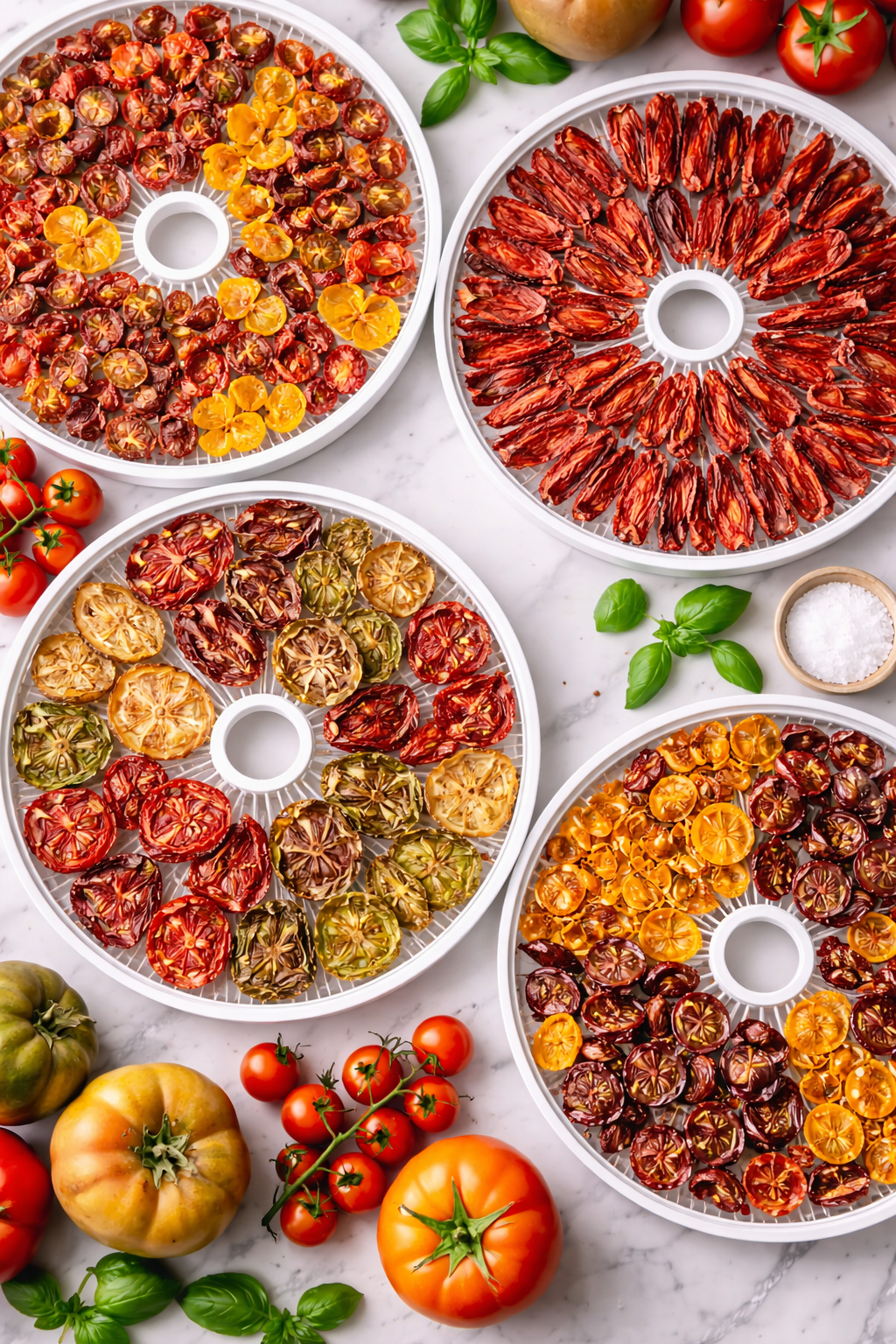
Dehydrating removes moisture from food using low heat and air circulation. Without moisture, bacteria, mold, and yeast can’t grow — which means food lasts significantly longer.
Unlike canning, dehydrating doesn’t require pressure equipment, and unlike freezing, it doesn’t require electricity for long-term storage.
Best Foods to Dehydrate
Here’s a practical list broken down by category.
🥕 Vegetables (Perfect for Soups & Stews)
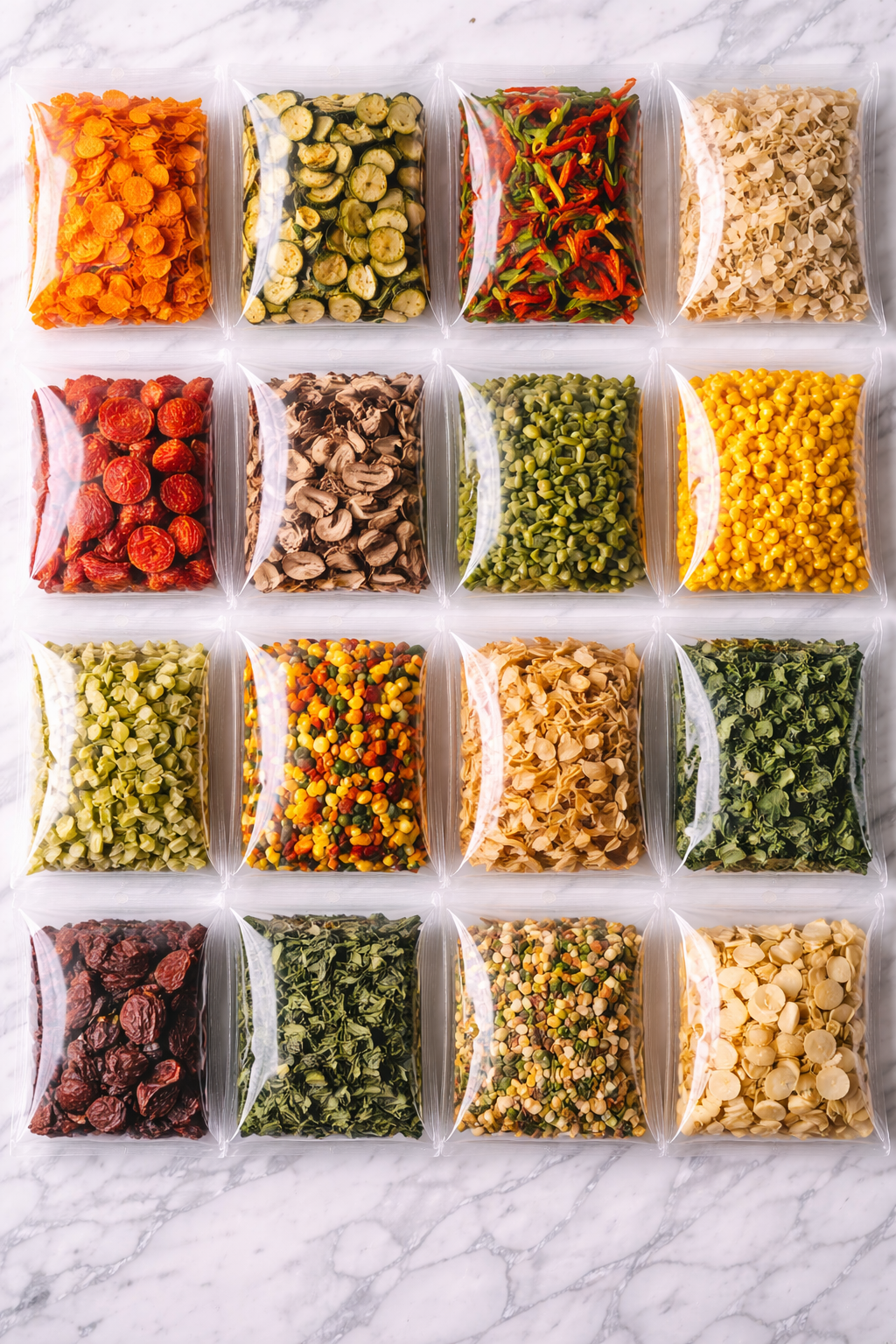
Best vegetables to dehydrate:
- Carrots (great for soup mixes)
- Zucchini
- Bell peppers
- Onions
- Garlic
- Tomatoes
- Green beans
- Corn
- Celery
- Mushrooms
- Potatoes (must be blanched)
💡 Homestead Tip: Dehydrate extra onions and celery in fall — they’re perfect for winter broths.
🍎 Fruits (Healthy Snacks & Baking)
Best fruits to dehydrate:
- Apples (cinnamon apple chips are a family favorite)
- Strawberries
- Bananas
- Peaches
- Pears
- Blueberries (pierce skin first)
- Pineapple
- Mango
💡 Toss apple or pear slices in lemon water before drying to prevent browning.
🌿 Herbs & Garden Extras
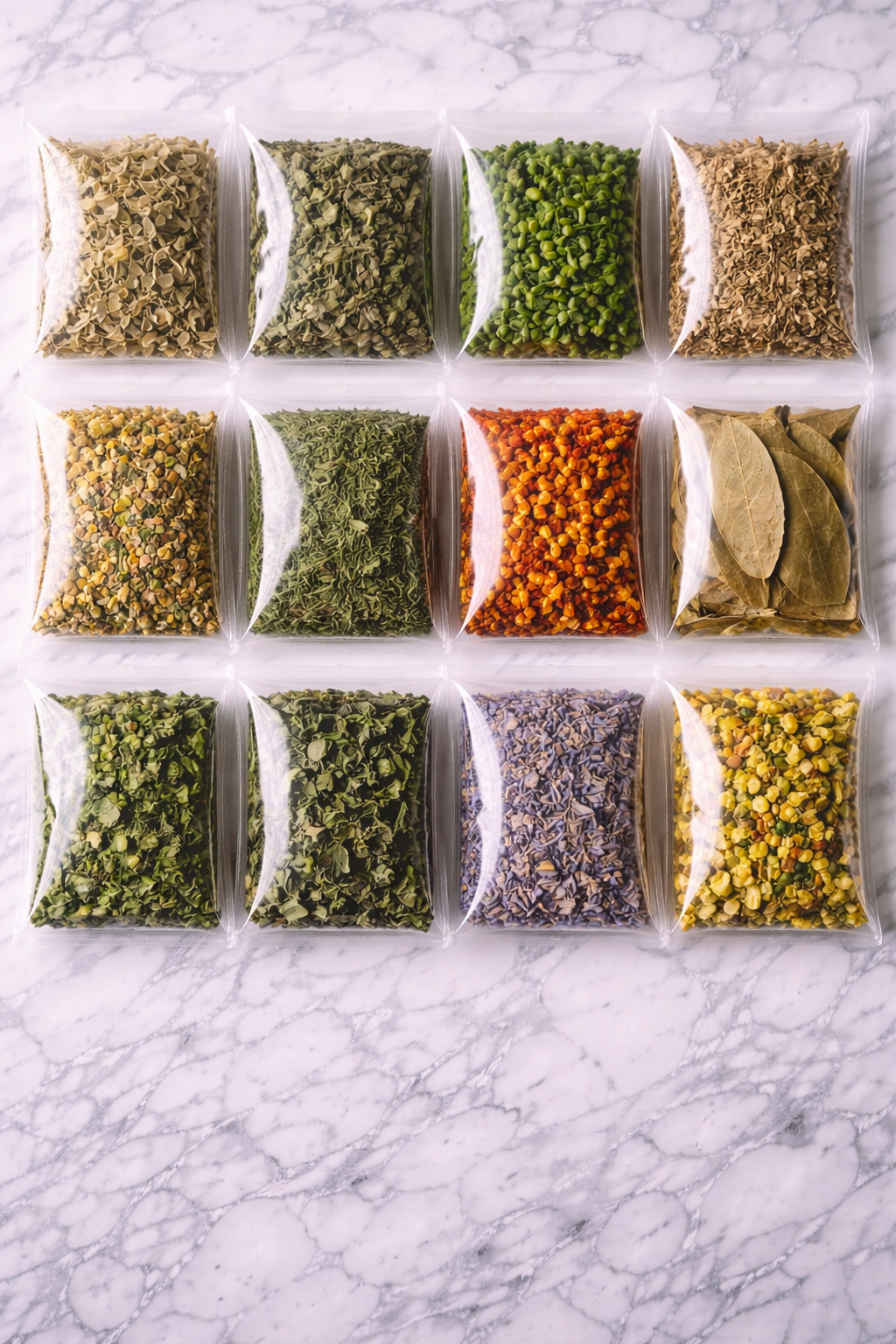
If you’re gardening (especially in Zone 5 where harvest comes all at once!), herbs dry beautifully.
- Basil
- Oregano
- Thyme
- Parsley
- Mint
- Rosemary
- Dill
You can also dehydrate:
- Kale (kale chips or powder)
- Spinach (great powdered into smoothies)
- Cherry tomatoes
- Hot peppers
🍖 Proteins (For Advanced Preservers)
- Beef jerky
- Venison jerky
- Ground beef crumbles (cook fully first)
- Cooked chicken
- Scrambled eggs (for camping meals)
⚠️ Always follow food safety guidelines for meats and use proper temperatures.
Equipment You Need
You can dehydrate food in three main ways:
- Electric Dehydrator (best and most consistent)
- Oven on Low Setting
- Air Drying (herbs only)
For serious pantry building, a dehydrator with adjustable temperature is worth the investment.
Basic Steps to Dehydrate Food
- Wash and prep food.
- Slice evenly (thin and uniform).
- Blanch vegetables when necessary.
- Arrange in single layer.
- Dry at proper temperature:
- Fruits: 125–135°F
- Vegetables: 125°F
- Meats: 145–160°F
- Dry until leathery or crisp (no moisture pockets).
Drying time varies from 4–24 hours depending on thickness and humidity.
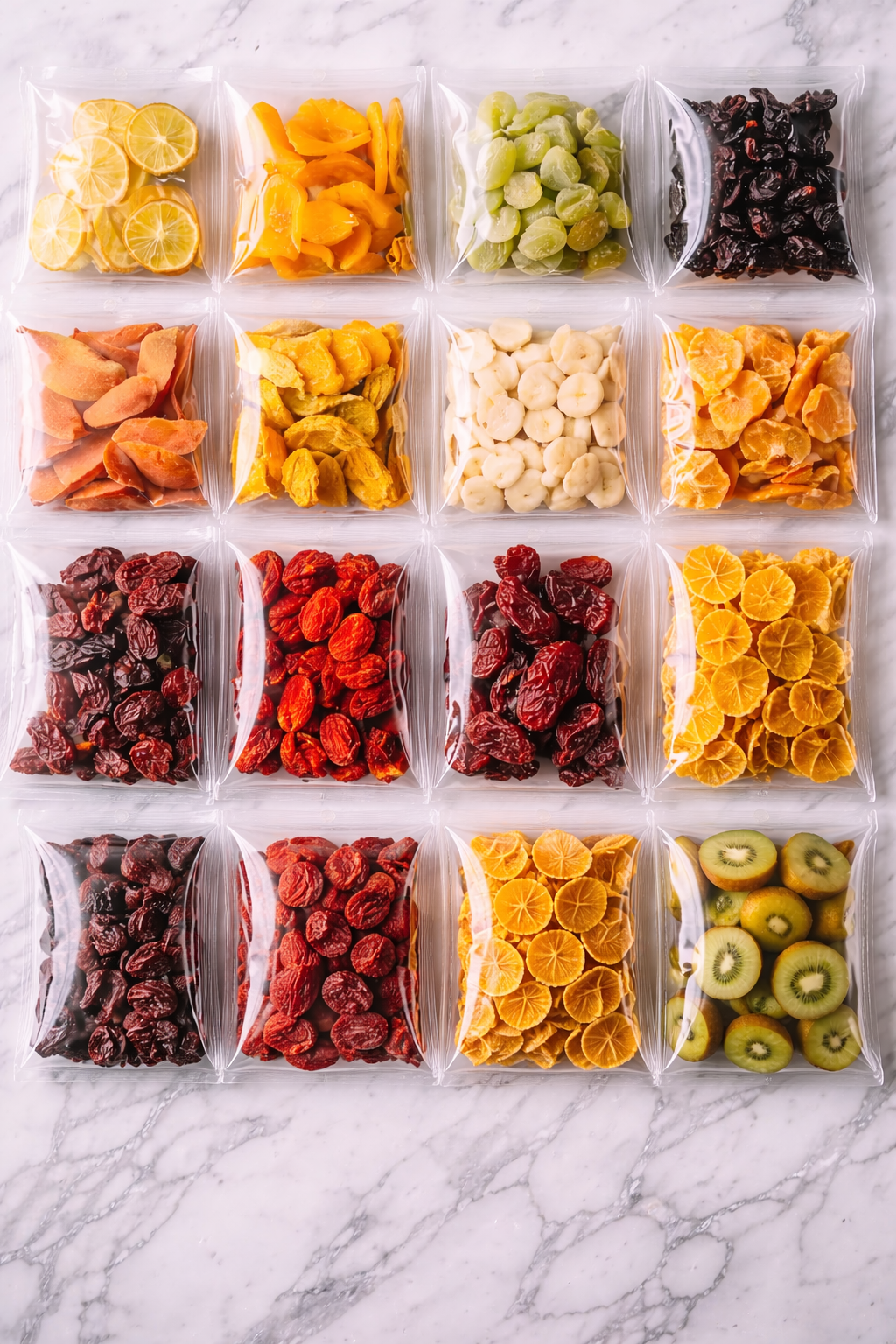
How to Store Dehydrated Food
Proper storage is the difference between 3 months and 3 years of shelf life.
Step 1: Condition the Food
After drying fruits, place them loosely in a jar for 7 days. Shake daily.
If condensation appears → dry longer.
Step 2: Store Properly
Best storage options:
- Mason jars with tight lids
- Vacuum sealed bags
- Mylar bags with oxygen absorbers
- Airtight pantry containers
Store in:
- Cool location (below 60°F if possible)
- Dark space
- Low humidity
Shelf Life of Dehydrated Foods
| Food Type | Shelf Life |
|---|---|
| Fruits | 1–2 years |
| Vegetables | 1–2 years |
| Herbs | 1–3 years |
| Jerky | 1–2 months (longer vacuum sealed) |
For long-term storage, vacuum sealing greatly extends life.
How to Use Dehydrated Foods
- Add veggies directly into soups
- Blend into powders for seasoning
- Snack on fruit chips
- Make DIY soup mixes in jars
- Create emergency pantry meals
- Grind into powders for hidden nutrition
Why Dehydrating Is Perfect for Homesteaders
- Reduces food waste
- Takes up less storage space than canning
- Great backup to freezer storage
- Lightweight for camping & emergency prep
- Ideal for garden overflows
If you’re already canning and gardening, dehydrating fills the gap when you’re short on time but long on produce.
Final Thoughts
Dehydrating food is one of the most beginner-friendly preservation methods. Start with apples or herbs, then work your way up to vegetables and proteins.
Once you start, you’ll look at every surplus harvest and think, “I can dry that.”