Making a sourdough starter doesn’t have to be complicated. With just flour, water, and a little patience, you can create a healthy, active sourdough starter that lasts for years. This beginner-friendly guide walks you through exactly how to make, feed, and maintain a successful sourdough starter at home — without stress or guesswork.
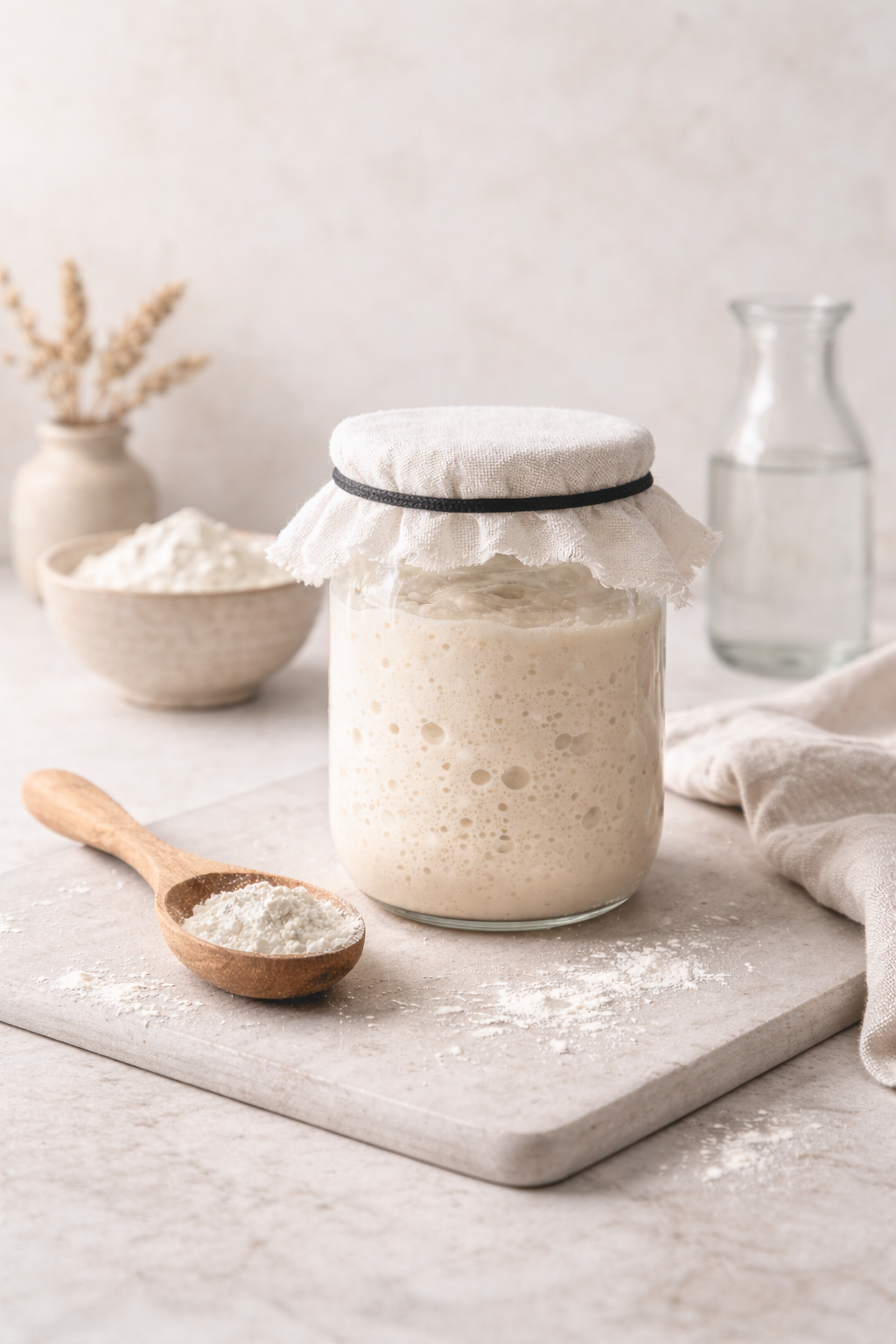
Whether you’re brand new to sourdough or struggling to keep your starter alive, these four easy sourdough starter tips will help you build confidence and consistency from day one.
What Is a Sourdough Starter?
A sourdough starter is a mixture of flour and water that captures wild yeast and beneficial bacteria from the environment. Over time, this living culture ferments and becomes the natural leavening agent for sourdough bread.
Unlike commercial yeast, sourdough starter:
- Improves flavor and texture
- Is naturally fermented
- Can be maintained indefinitely with proper care
1. Start with the Classic Flour and Water Method
The simplest and most reliable way to begin a sourdough starter is with equal parts flour and water.
How to do it:
- Mix 1 cup flour with 1 cup water in a glass or ceramic jar
- Stir until smooth
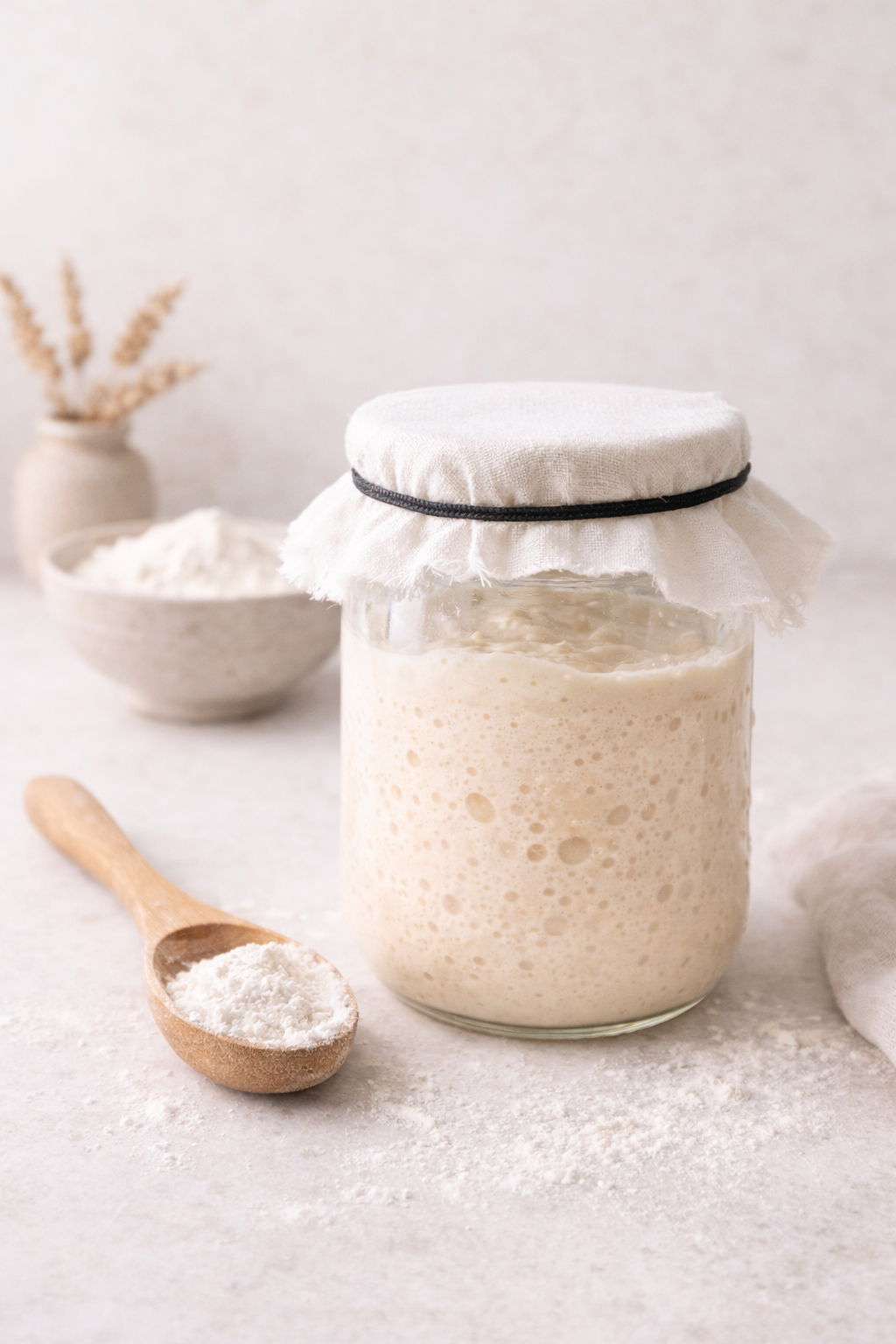
- Cover loosely with a cloth or lid (do not seal airtight)
- Leave at room temperature for 2–3 days
You should begin to see bubbles, a mild tangy smell, and slight rising. These are signs that fermentation has started.
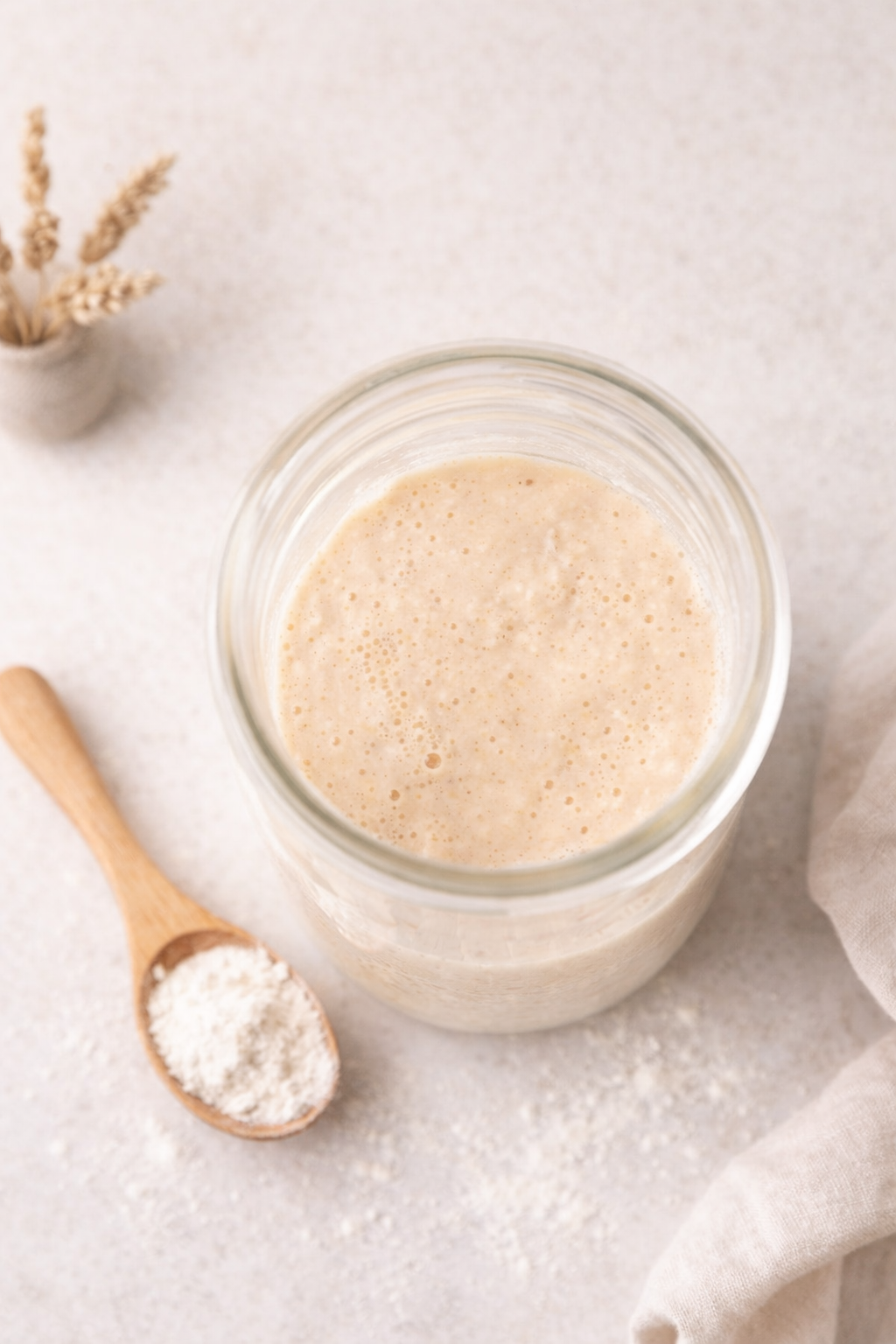
Tip: Use unbleached flour for best results. Whole wheat or rye flour can speed up activity in the early days.
2. Try Alternative Starter Methods If Needed
If your starter seems slow or inactive, there are a few alternative methods that can help kick-start fermentation.
Milk Method
Using milk instead of water can introduce additional sugars that help feed yeast. This works best with unpasteurized milk.
Yeast-Assisted Method
A very small amount of commercial yeast can help jump-start activity. Once established, the wild yeast will take over and the added yeast is no longer necessary.
Warm Water + Sugar Method
Adding a pinch of sugar and using warm (not hot) water can encourage early bubbling, especially in cooler kitchens.
These methods are helpful troubleshooting tools and can be especially useful for beginners.
3. Follow These Key Sourdough Starter Success Tips
Small details make a big difference when it comes to sourdough.
- Wild yeast is everywhere — in flour, air, and even on your jar
- Avoid metal containers and utensils when possible
- Do not seal your starter tightly; fermentation produces gas
- Keep your starter in a warm, draft-free spot
Temperature matters. Starters thrive between 70–80°F. Cooler environments will slow fermentation.
4. Feed, Store, and Maintain Your Starter Properly
Once your starter becomes active, regular feeding is essential.
How to Feed a Sourdough Starter
After using some starter for baking:
- Replace what you used with equal parts flour and water
- Stir well
- Let it sit at room temperature until bubbly again
Storing Your Starter
If you bake often, keep your starter on the counter and feed daily.
If you bake occasionally, store it in the refrigerator and feed weekly.
How to Revive a Neglected Starter
If your starter looks flat or inactive:
- Discard all but a small amount
- Feed with fresh flour and warm water
- Let it sit at room temperature until bubbles return
Most starters can be revived, even after weeks in the fridge.
Frequently Asked Questions About Sourdough Starter
How long does it take to make a sourdough starter?
Most starters become active within 5–7 days, though some may take longer depending on temperature and flour type.
Why does my starter smell bad?
A strong or unpleasant smell is common early on. As long as there is no mold, continue feeding and the smell should balance out.
Can I use tap water?
Yes, but if your tap water is heavily chlorinated, filtered or bottled water may work better.
When is my starter ready to bake with?
A starter is ready when it doubles in size within 4–6 hours after feeding and is full of bubbles.
Final Thoughts
Sourdough starter success comes down to consistency, patience, and simple techniques. Once established, a starter becomes a reliable kitchen staple that improves with time.
If you’re new to sourdough, start simple, don’t overthink the process, and remember that every kitchen environment is different. With these easy tips, you’ll be baking homemade sourdough bread with confidence.