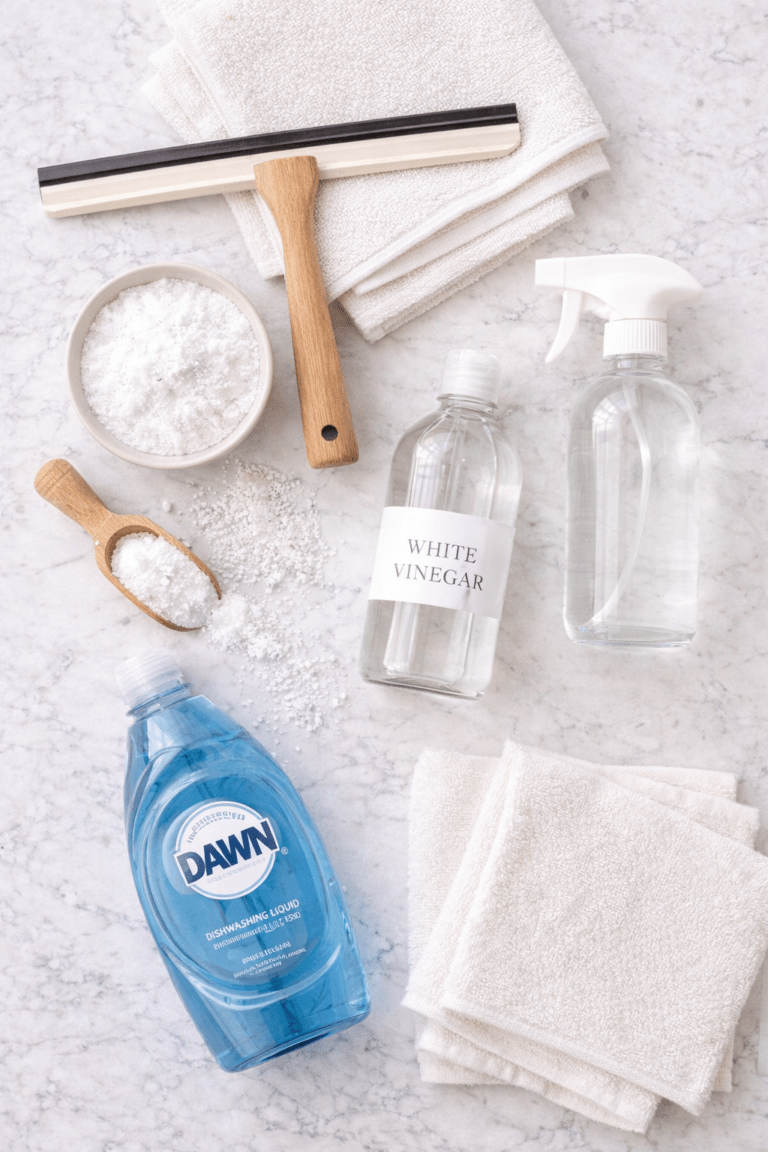
Nothing ruins a peaceful morning faster than pressing brew on your Keurig… and watching it sputter, drip slowly, or stop brewing altogether.
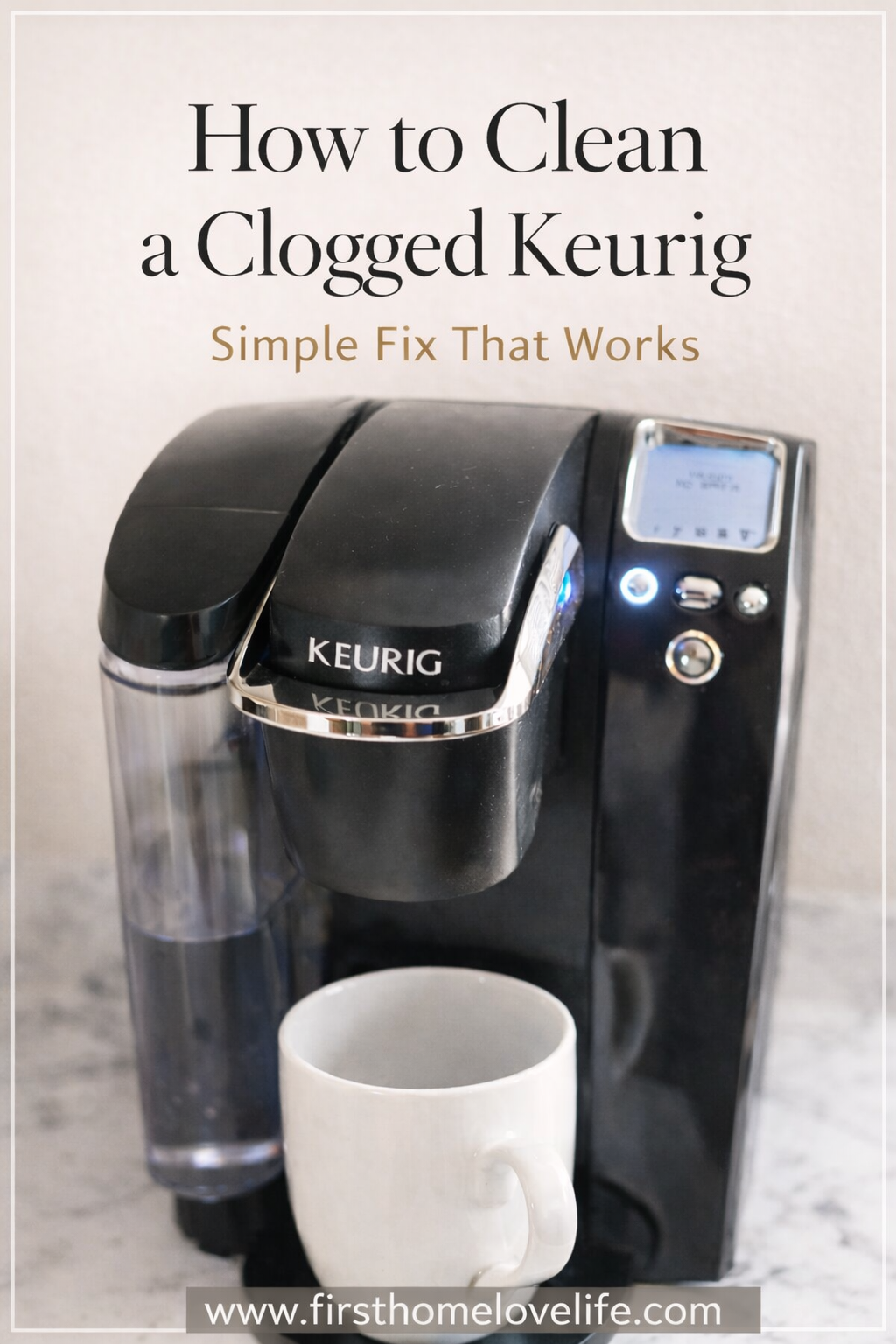
If your Keurig is clogged, brewing slowly, or barely pushing water through the pod, you’re not alone. Mineral buildup, coffee grounds, and everyday residue can block the tiny needles and internal lines of the machine over time. Hard water is especially notorious for causing buildup inside coffee makers.
The good news? You usually don’t need to replace your machine. In most cases, a simple cleaning and descaling process will get your Keurig brewing like new again.
Here’s exactly how to clean a clogged Keurig coffee maker in just a few easy steps.
Why Keurig Coffee Makers Get Clogged
Before jumping into cleaning, it helps to understand why Keurig machines clog in the first place.
Common causes include:
- Mineral buildup from hard water
- Coffee grounds stuck in the needle
- Residue from flavored or oily pods
- Mold or buildup in the water reservoir
- Lack of regular descaling
Calcium and mineral deposits from water slowly accumulate inside the machine and restrict water flow. Experts recommend descaling your Keurig every 3–6 months to prevent these issues.
Supplies You’ll Need
Most clogged Keurigs can be fixed with items you probably already have at home:
- White vinegar
- Water
- Paper clip or needle
- Dish soap
- Soft cloth or sponge
- Large mug
Step 1: Unplug the Machine
Always unplug your Keurig before cleaning.
Remove the following parts:
- Water reservoir
- Lid
- Drip tray
- K-cup holder
Wash these pieces in warm, soapy water and let them air dry.
Regularly cleaning these removable parts helps prevent mold and bacteria from forming in damp areas like the water tank.
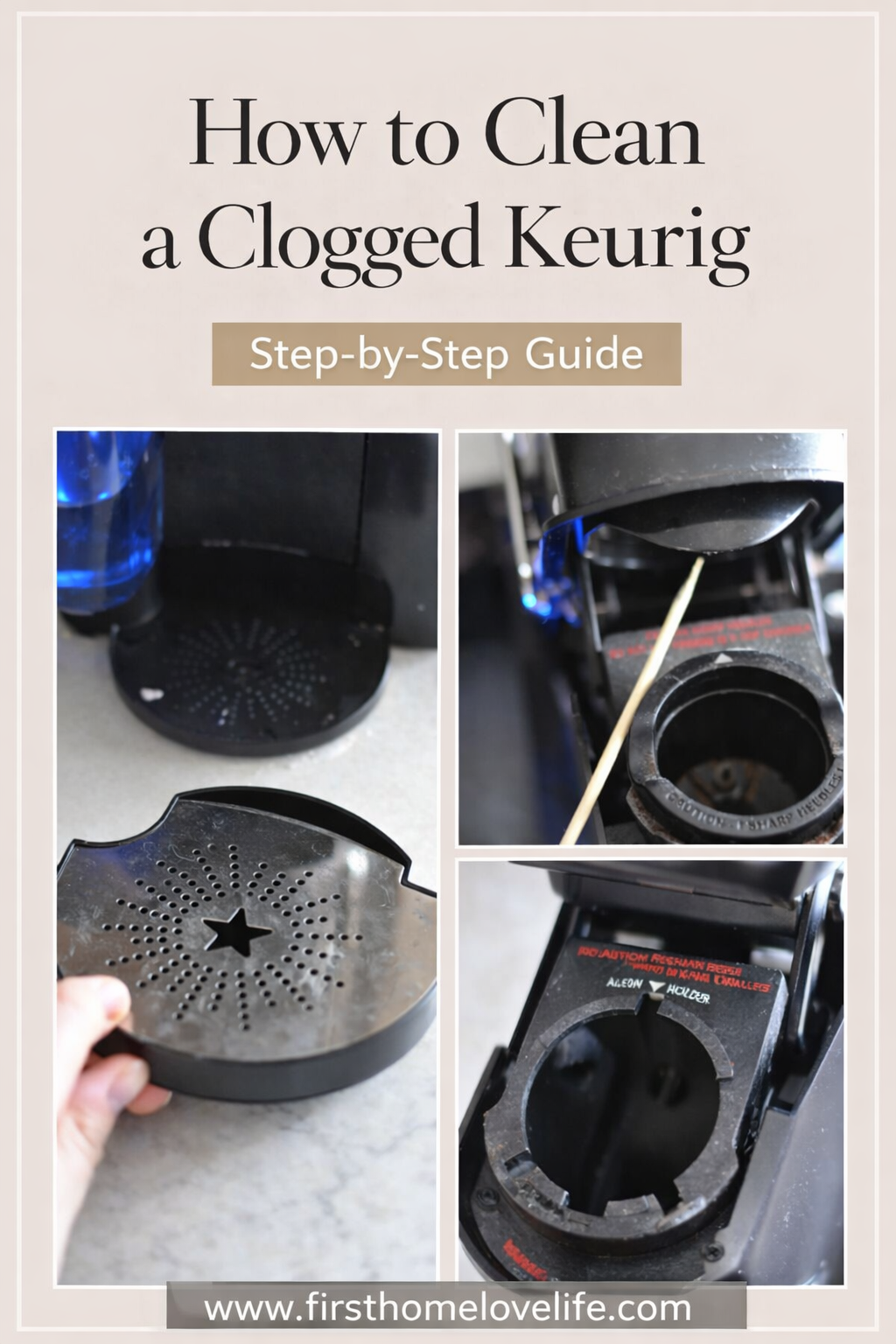
Step 2: Clean the Keurig Needle
One of the most common reasons a Keurig stops brewing is coffee grounds clogging the needle that punctures the pod.
How to clean it:
- Unfold a paper clip.
- Remove the pod holder from the machine.
- Carefully insert the paper clip into the small needle holes.
- Move it gently to loosen trapped coffee grounds.
- Rinse the pod holder with hot water.
Many Keurig models have two needles—one in the top lid and one in the pod holder—so make sure to clean both.
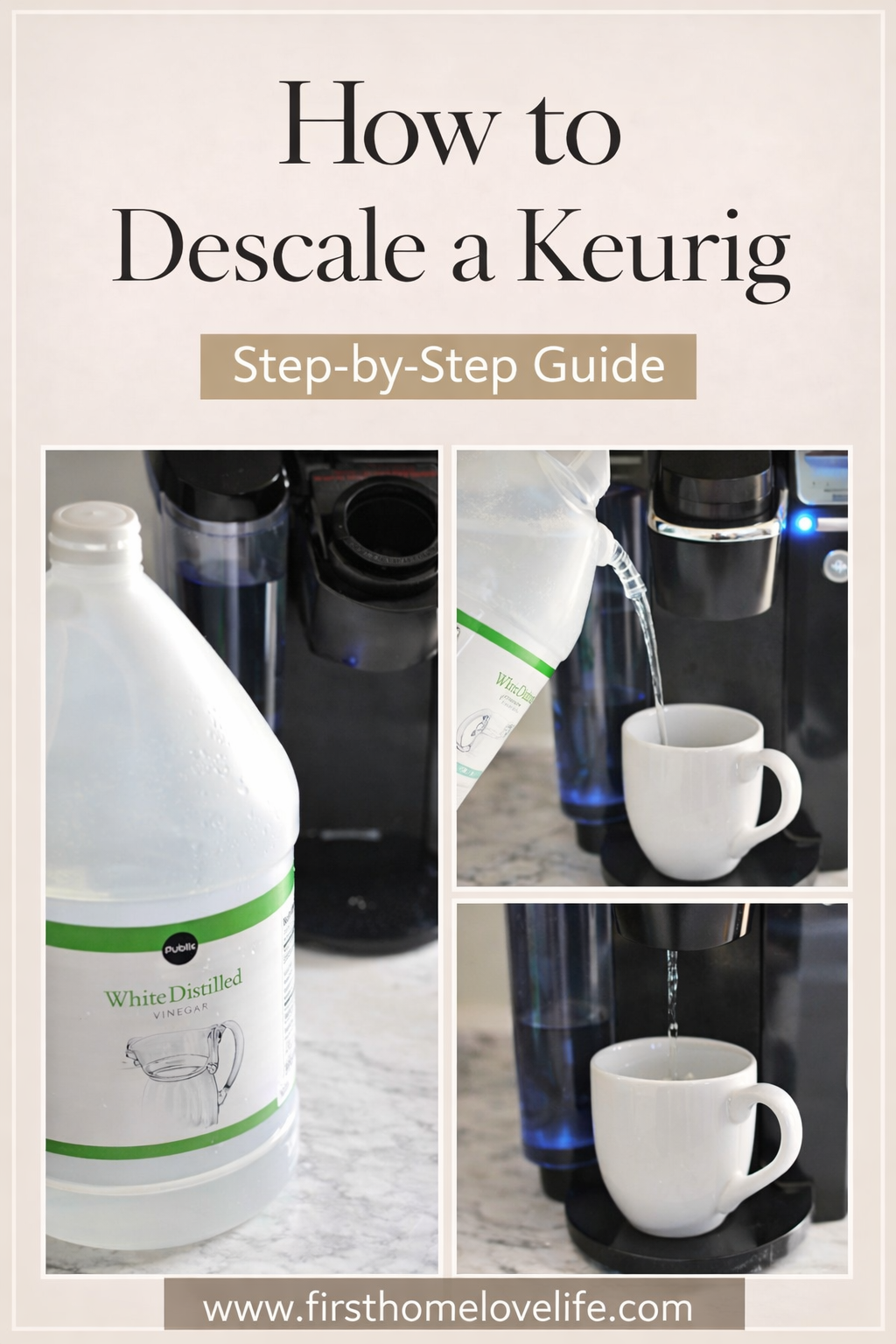
Step 3: Descale the Keurig With Vinegar
Descaling removes mineral deposits inside the machine that cause slow brewing or clogs.
How to descale a Keurig:
- Remove the water filter if your machine has one.
- Fill the reservoir with equal parts white vinegar and water.
- Place a mug under the spout.
- Run brew cycles without a K-cup until the reservoir is empty.
- Let the machine sit for 30 minutes to break down buildup.
Vinegar works well because its mild acidity dissolves mineral deposits that accumulate inside coffee makers.
Step 4: Flush the Machine With Clean Water
Once the vinegar cycle is complete:
- Rinse the water reservoir thoroughly.
- Fill it with fresh water.
- Run several brew cycles with no pod.
Continue flushing until the vinegar smell disappears completely.
This step ensures no vinegar residue ends up affecting the taste of your coffee.

Step 5: Reassemble and Test Brew
Reassemble your Keurig and brew a cup of plain water first.
If the machine was clogged, you should notice:
- Faster brewing
- Stronger water flow
- No sputtering or dripping
If the machine is still slow, repeat the descaling process once more.
How Often You Should Clean Your Keurig
Regular maintenance prevents future clogs.
Recommended schedule:
Weekly
- Wash removable parts
- Wipe the exterior
Every 2–3 months
- Replace the water filter
Every 3–6 months
- Descale the machine
Keeping up with this routine will extend the life of your coffee maker and keep your coffee tasting fresh.
Signs Your Keurig Needs Cleaning
Your machine may be clogged if you notice:
- Coffee brewing slower than usual
- Weak coffee flavor
- Grinding or struggling pump noises
- Partial cups of coffee
- Water not flowing through the pod
These are usually early signs of mineral buildup or blocked needles.
Final Thoughts
Learning how to clean a clogged Keurig is one of the easiest ways to extend the life of your coffee maker. A quick needle cleaning and vinegar descale can restore water flow and get your machine brewing perfectly again.
If your Keurig suddenly stops brewing or starts dripping slowly, don’t panic—most of the time it just needs a simple cleaning.
A clean machine means better coffee, fewer clogs, and a much happier morning routine.