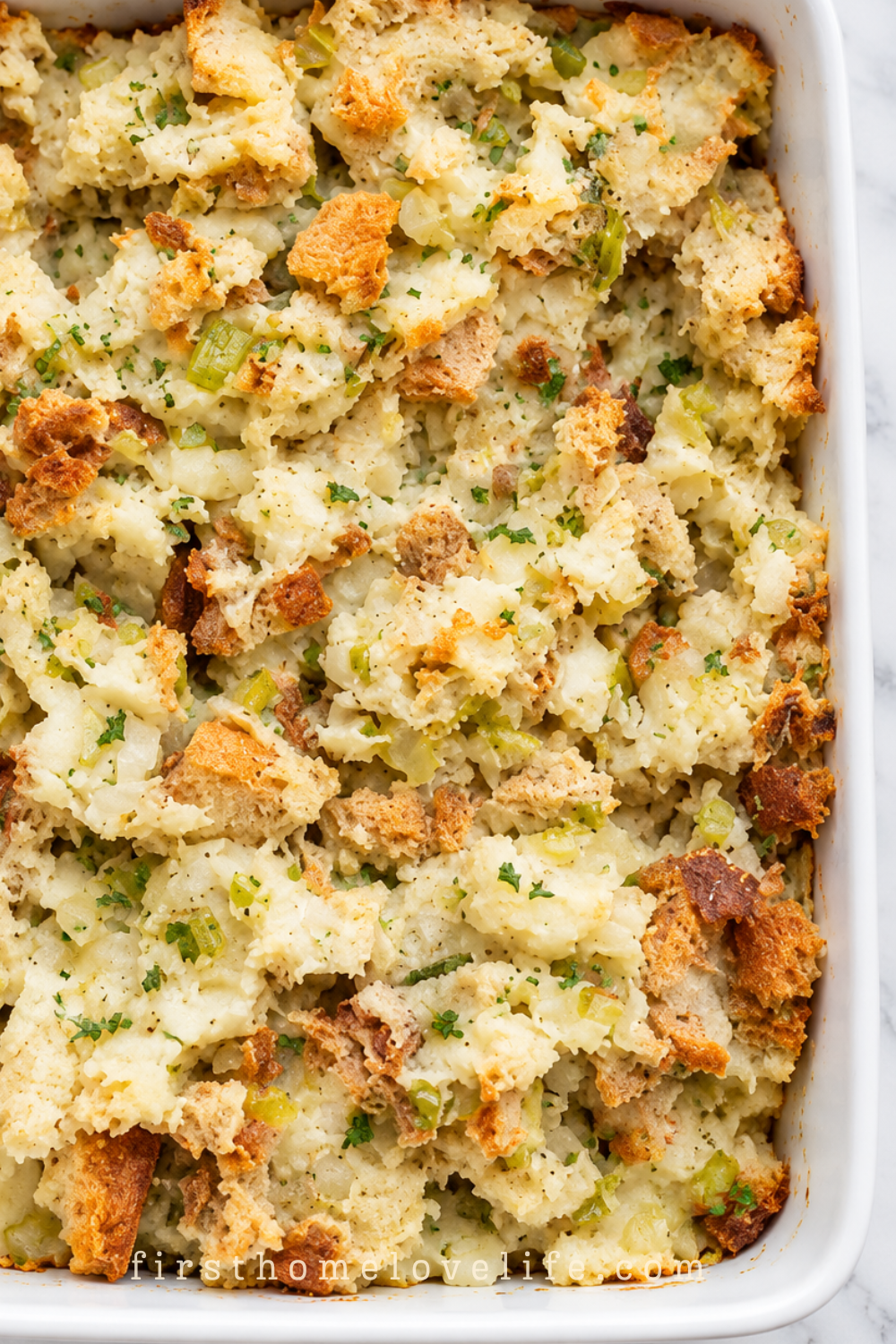
The golden, buttery edges are the first reason to reach for this casserole. The creamy mashed potatoes and savory bread stuffing underneath are the reason to go back for seconds. This Pennsylvania Dutch potato filling casserole combines two favorite holiday sides in one baking dish, with tender onions, celery, and parsley tucked into every scoop.
If you love the comfort of brown butter mashed potatoes and the savory flavor of homemade stuffing, this recipe belongs on your holiday menu. It’s simple, hearty, and especially good with homemade turkey gravy spooned over the top.
Make it for Thanksgiving, serve it alongside Christmas ham, or bring it to Sunday dinner when plain mashed potatoes need a little something extra.
More Holiday Side Dishes You Need To Try

What Is Pennsylvania Dutch Potato Filling?
Pennsylvania Dutch potato filling is a side dish made by combining mashed potatoes with bread and savory seasonings. You may also see it called PA Dutch potato filling, potato stuffing, or potato dressing. Recipes vary from family to family, but the combination of potatoes and bread gives the dish its signature texture.
This potato filling recipe includes butter, sautéed onion and celery, parsley, milk, and eggs. It bakes into a scoopable casserole with a soft center and lightly crisp, golden top.
Unlike a traditional bread stuffing, the mashed potatoes become part of the filling itself, bringing everything together into one comforting side dish.
Why You’ll Love This Potato Filling Casserole
- Two holiday favorites in one: Creamy mashed potatoes meet savory bread stuffing.
- Simple, affordable ingredients: No specialty ingredients or complicated preparation.
- Make-ahead friendly: Assemble it the day before your holiday dinner.
- Feeds a crowd: A 9×13-inch casserole makes approximately 10–12 side servings.
- Easy to serve: Bring the baking dish straight to the table and scoop.
Planning the rest of your meal? My Thanksgiving dinner menu has more ideas for turkey, side dishes, desserts, and holiday preparation.
Ingredients for Pennsylvania Dutch Potato Filling
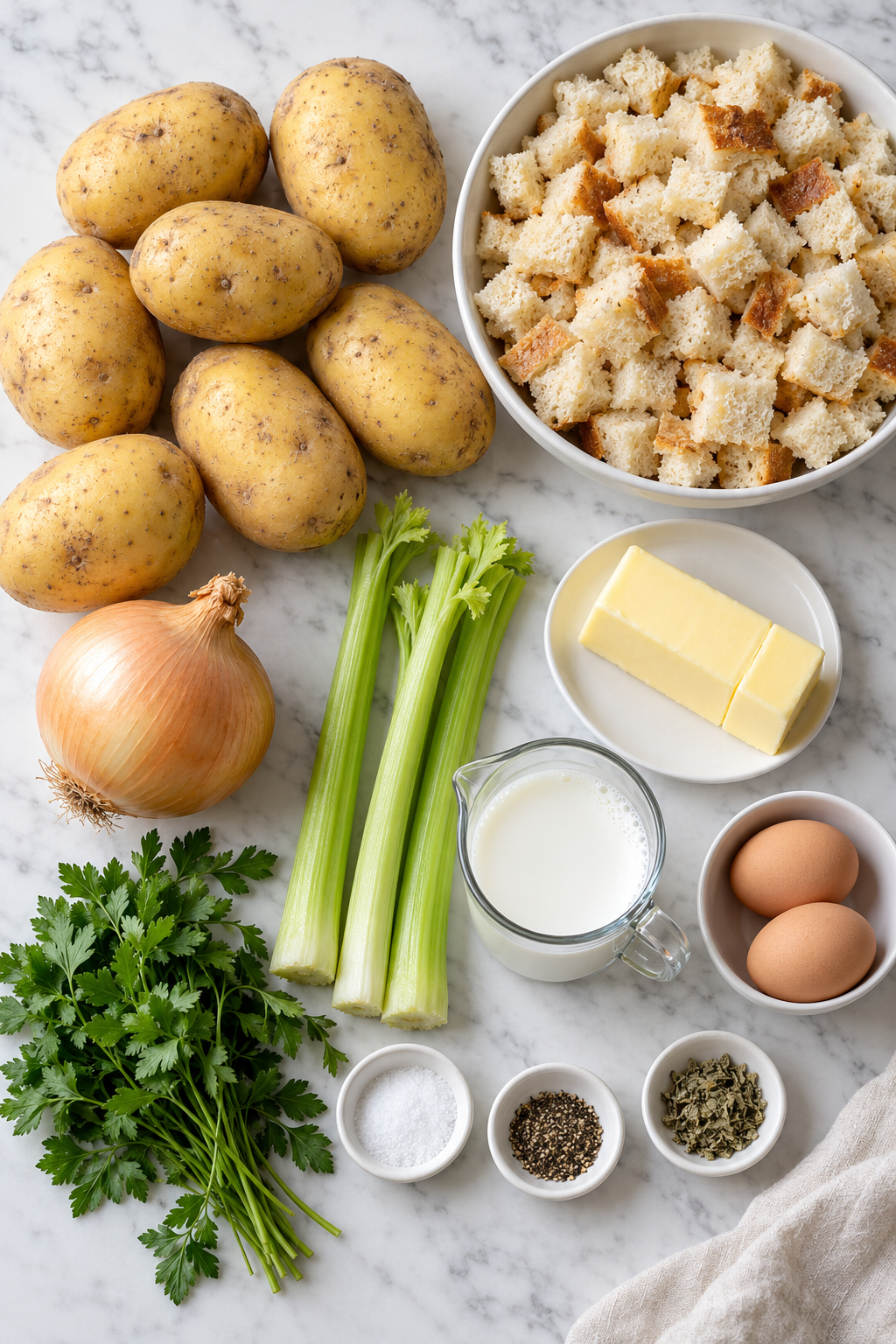
- 3 pounds Yukon Gold or russet potatoes, peeled and cut into evenly sized chunks
- 6 cups slightly dried white bread cubes, cut into ½-inch pieces, approximately 8 ounces
- ¾ cup unsalted butter, divided, plus more for greasing the baking dish
- 1 large yellow onion, finely diced
- 3 celery stalks, finely diced
- 1 cup whole milk, warmed, plus more as needed
- 2 large eggs, lightly beaten
- ¼ cup chopped fresh parsley
- 1 teaspoon fine salt, plus more for the potato cooking water and to taste
- ¾ teaspoon black pepper
- ½ teaspoon rubbed sage, optional
Which Potatoes Work Best?
Yukon Gold potatoes make a creamy, buttery filling, while russet potatoes give you a fluffier mash. Both work well in this baked potato stuffing casserole.
Mash them by hand and avoid overworking them. You want tender mashed potatoes that fold easily into the bread mixture.
If you’re planning a second potato side for another holiday meal, try these brown butter mashed potatoes for a version with a rich, nutty flavor.
What Kind of Bread Should You Use?
Plain white sandwich bread is a good choice because it softens easily without overpowering the potatoes and vegetables. Leave the crusts on and cut the bread into small cubes.
The bread should feel slightly dry, rather than fresh and squishy. If needed, dry it in a low oven before assembling the casserole.
For a separate stuffing dish with fruit and meat added, try my chicken sausage and apple stuffing.
How to Make Pennsylvania Dutch Potato Filling Casserole
1. Prepare the bread.
If your bread is fresh, spread the cubes on a rimmed baking sheet. Bake at 300°F for 15–20 minutes, stirring once, until the surfaces feel dry but the cubes are not deeply browned.
Increase the oven temperature to 350°F. Generously butter a 9×13-inch baking dish.
2. Boil the potatoes.
Place the peeled, cubed potatoes in a large pot. Cover with cold water by about 1 inch and salt the water.
Bring to a boil, then reduce the heat and simmer for 15–20 minutes, or until the potatoes are tender enough to break apart easily with a fork.
Drain thoroughly. Return the potatoes to the warm pot, off the heat, for 1–2 minutes to allow excess moisture to evaporate.
3. Cook the onion and celery.
While the potatoes cook, melt 6 tablespoons of butter in a large skillet over medium heat.
Add the onion and celery. Cook for 10–12 minutes, stirring occasionally, until softened. If using sage, stir it in during the final minute of cooking.
Remove the skillet from the heat.
4. Mash the potatoes.
Add 4 tablespoons of butter and the warm milk to the drained potatoes. Mash until creamy, then stir in the salt and black pepper.
A few small potato lumps are fine. Avoid beating or processing the potatoes, which can make them sticky.
5. Fold the filling together.
Add the cooked onion and celery, including all the butter from the skillet, to the mashed potatoes.
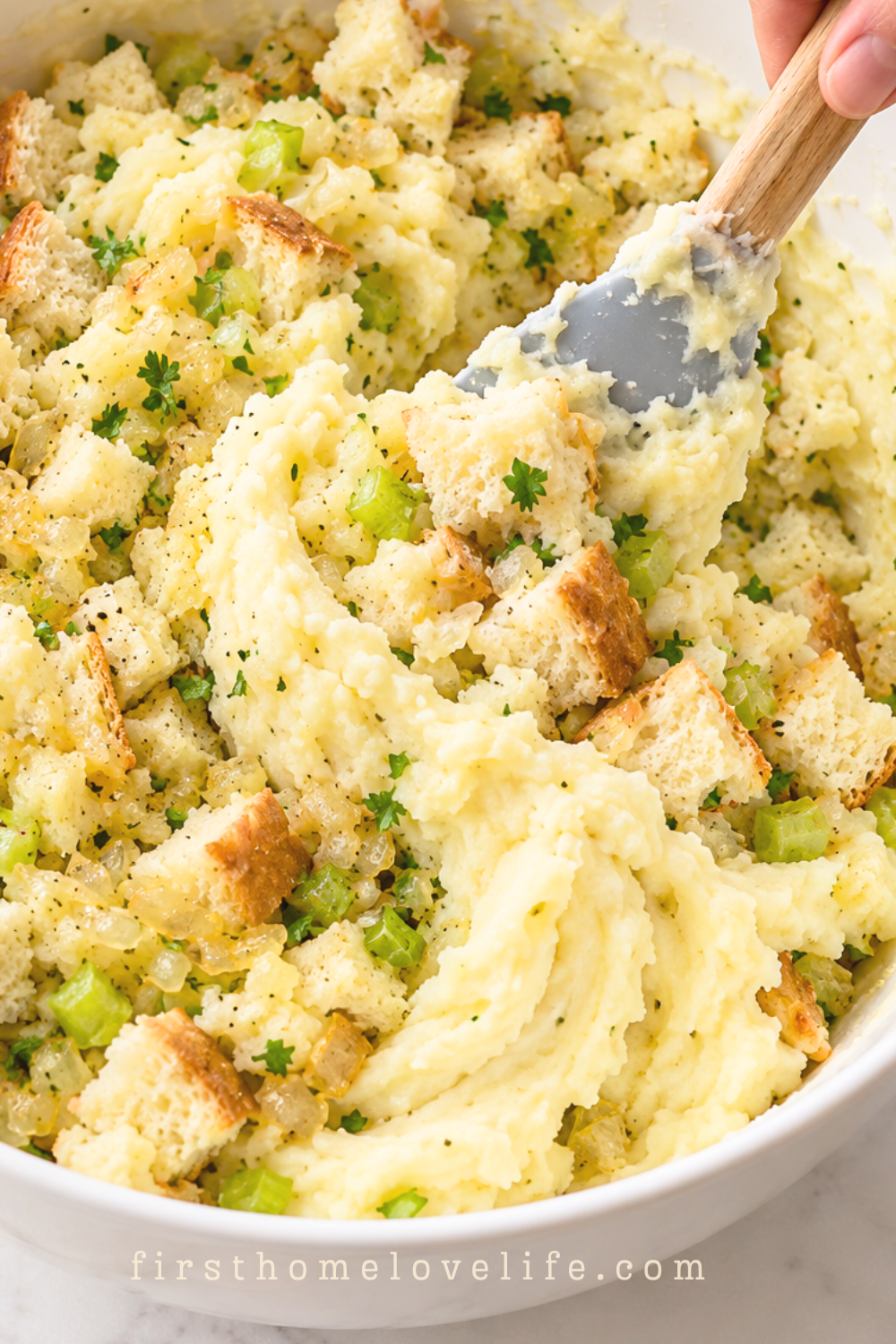
Gently fold in the bread cubes and parsley. The mixture should be moist, soft, and easy to scoop, with pieces of bread still visible.
If it seems stiff or dry, add more milk 2 tablespoons at a time. Taste and adjust the seasoning before adding the eggs.
Let the mixture cool until warm rather than steaming hot, then fold in the beaten eggs.
6. Assemble the casserole.
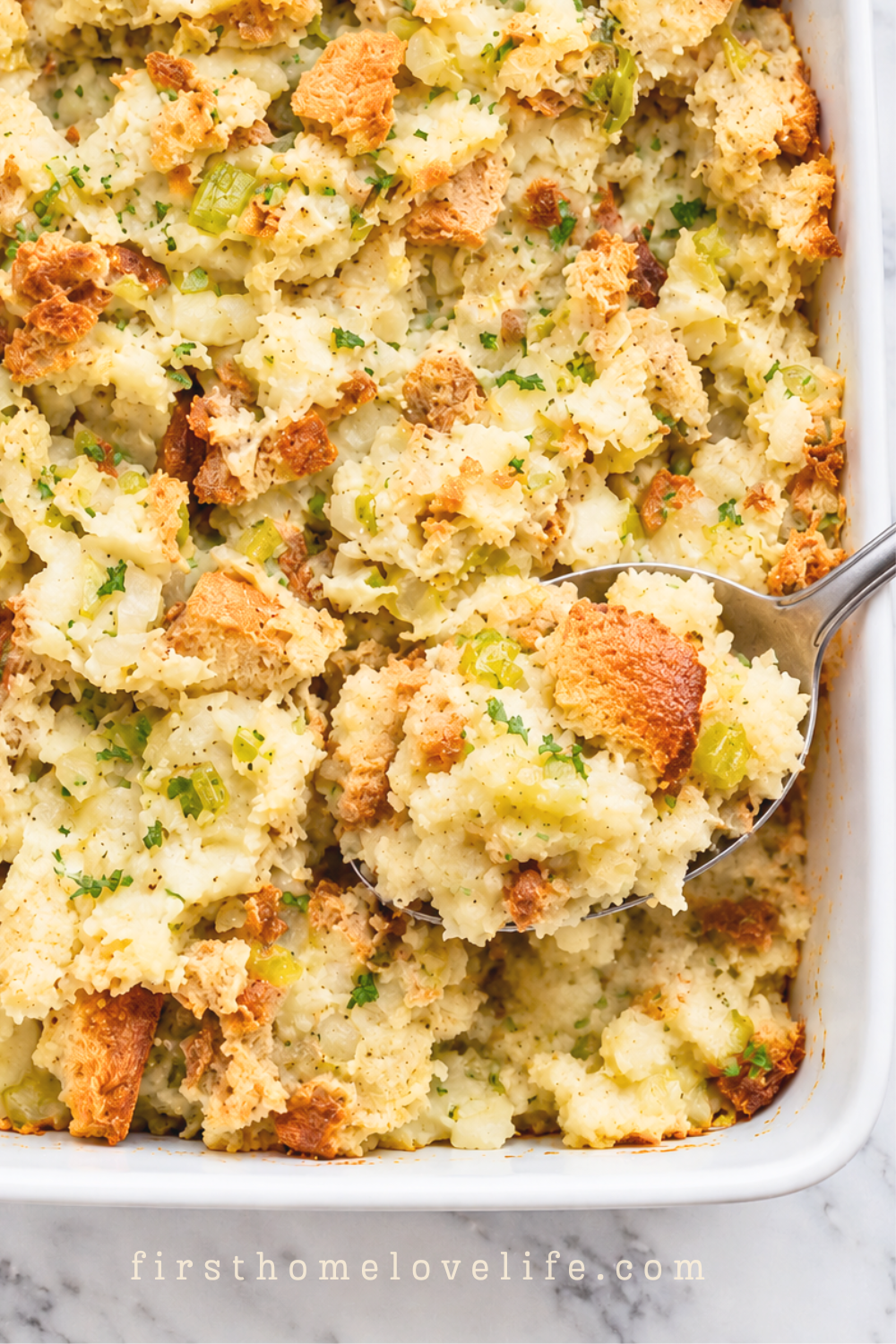
Spoon the potato filling into the buttered baking dish. Spread it gently without pressing it down firmly.
Leave a few shallow ridges across the top. Those uneven spots catch the butter and brown beautifully.
Melt the remaining 2 tablespoons of butter and drizzle over the surface.
7. Bake until golden.
Bake uncovered at 350°F for 40–50 minutes, until the top is golden and the center reaches 165°F.
If the top browns before the middle is ready, loosely cover the dish with foil and continue baking.
Let the casserole rest for 10 minutes before serving with turkey gravy from scratch or homemade giblet gravy.
Tips for the Best Potato Filling
- Dice the vegetables finely. Smaller pieces blend into the filling and soften evenly.
- Drain the potatoes thoroughly. Water left behind after boiling can make the casserole heavy.
- Check the texture before baking. The bread absorbs moisture, so the filling should start soft and moist.
- Keep the mixing gentle. Fold just enough to distribute the ingredients.
- Don’t pack the baking dish. A loosely spread filling has a more tender texture.
- Season before adding the eggs. Taste the potato and bread mixture while you can still easily adjust it.
How to Make Potato Filling Ahead of Time
To make this a make-ahead Thanksgiving side dish, assemble the casserole up to 24 hours in advance. Cover and refrigerate promptly, reserving the final butter drizzle until baking.
When ready to bake, drizzle the melted butter over the top and cover with foil. Bake at 350°F for 30 minutes, then uncover and continue baking until golden and the center reaches 165°F.
Allow approximately 55–75 minutes total for a refrigerated casserole, depending on the baking dish and how cold the filling is. Follow your dish manufacturer’s directions for refrigerator-to-oven use.
Pair this prep-ahead side with a dry-brined Thanksgiving turkey to spread some of the holiday preparation across more than one day.
What to Serve With Pennsylvania Dutch Potato Filling
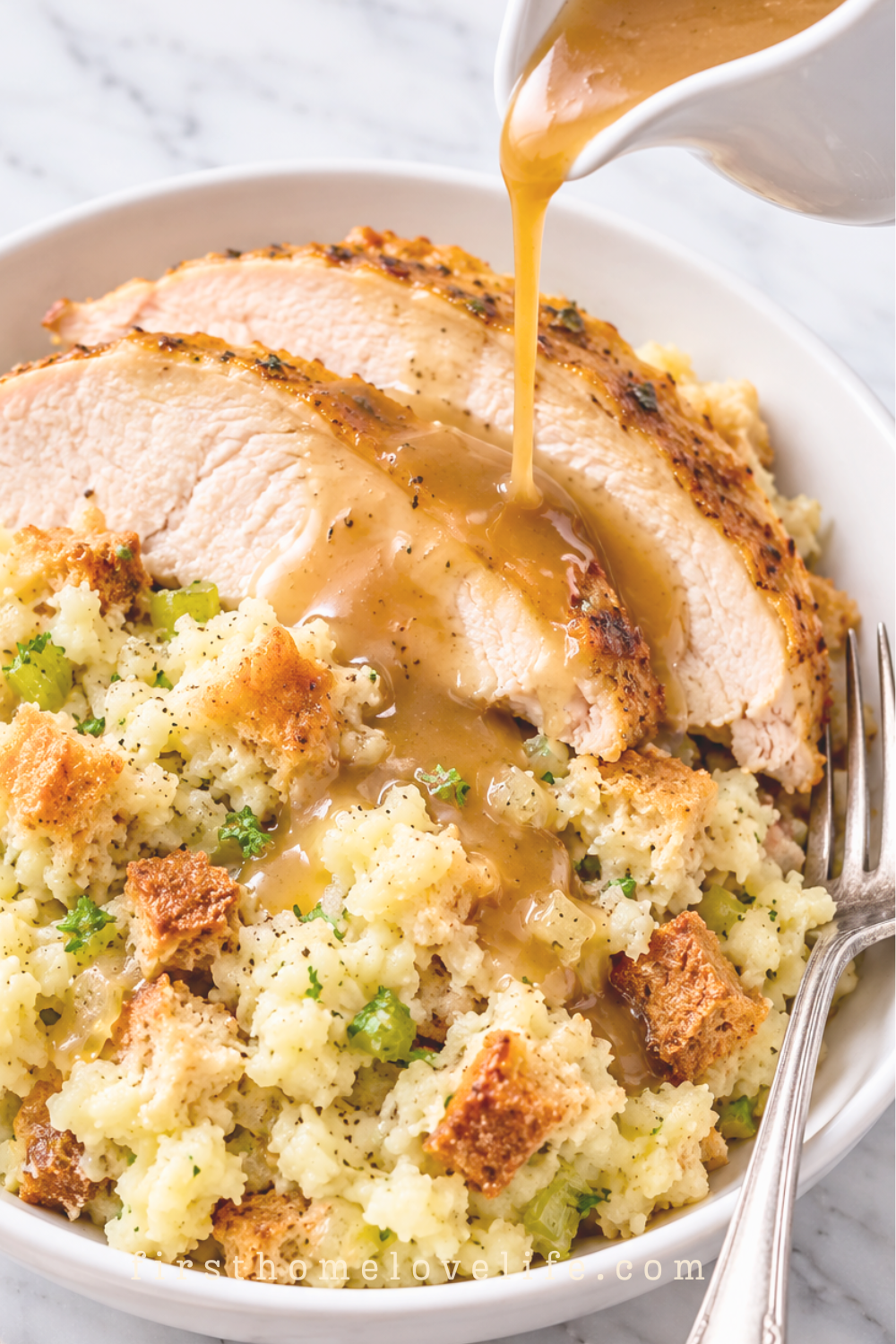
This buttery potato and bread casserole pairs well with roasted turkey, baked ham, chicken, and pork roast. Add gravy, a vegetable, and something bright or sweet to round out the meal.
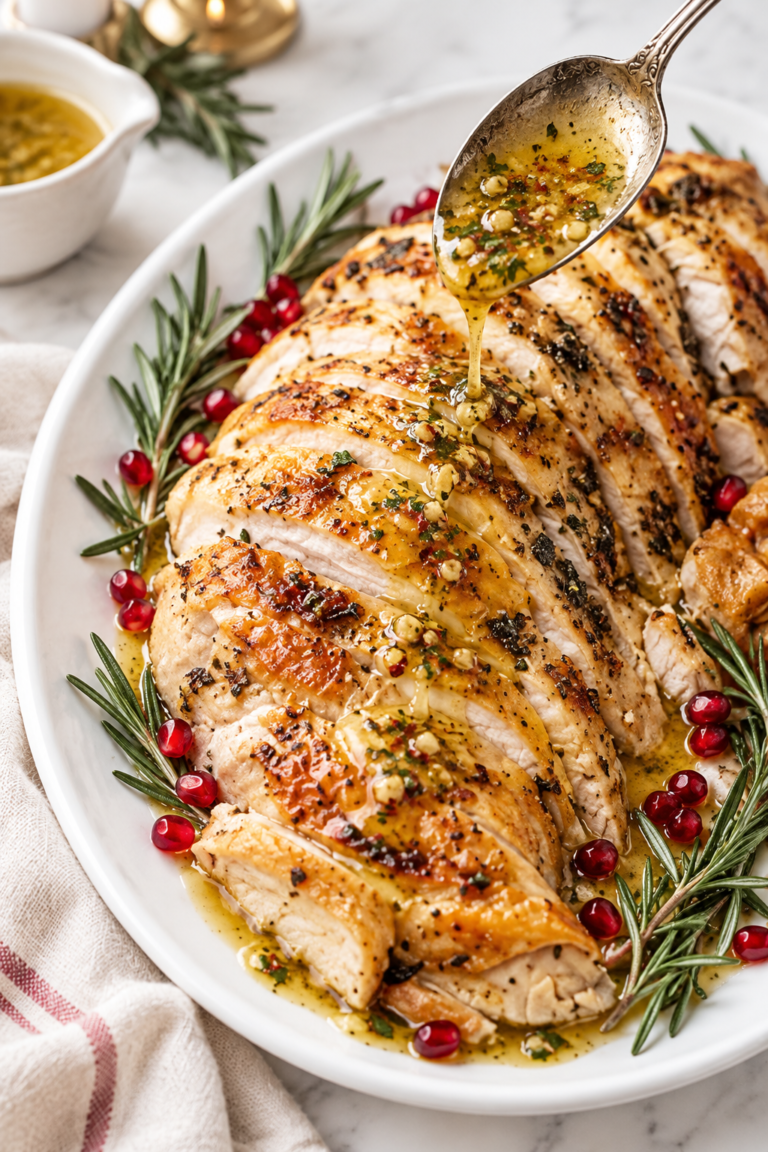
- Thanksgiving smoked turkey: A flavorful holiday centerpiece to serve with the creamy filling.
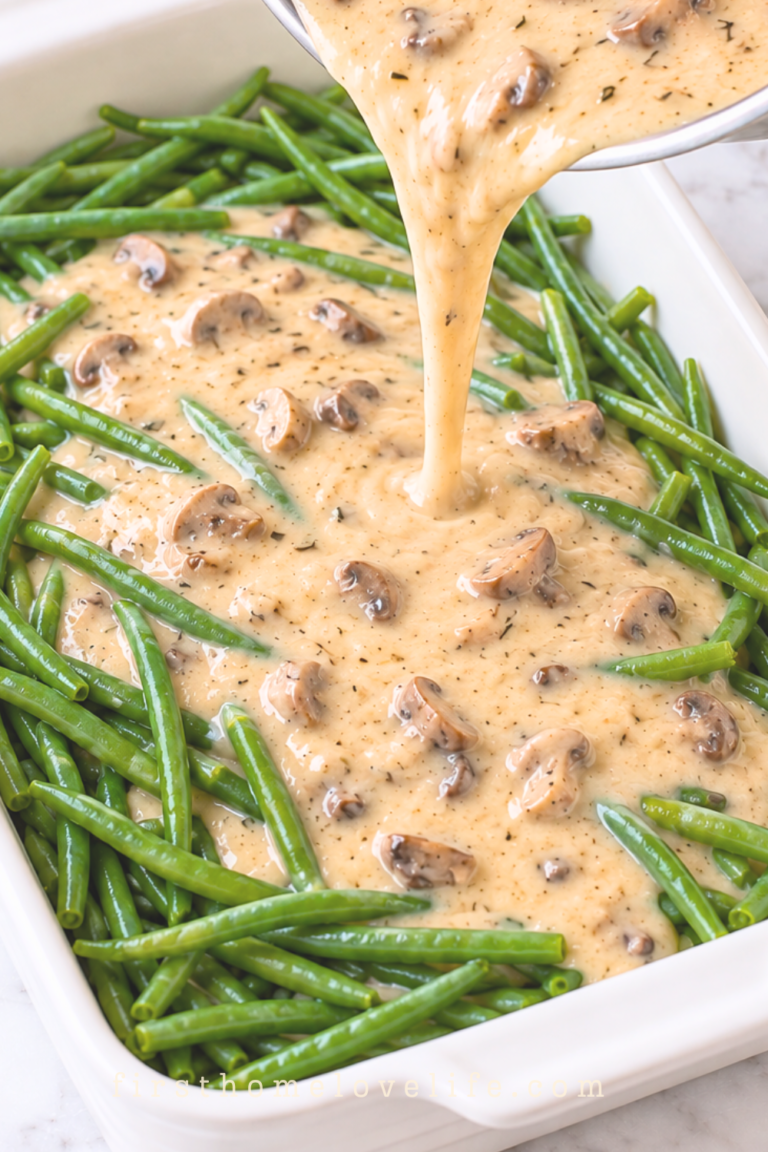
- Green beans with bacon and mushrooms: A savory vegetable side that fits right into the menu.
- Creamy Boursin green beans: An option when you want a garlic-and-herb vegetable side.
- Cranberry marshmallow salad: A cool, sweet contrast to the warm casserole.
- Homemade turkey gravy: Serve it in a gravy boat so everyone can add their own.
The Best Pennsylvania Dutch Potato Filling Casserole
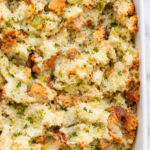
This Pennsylvania Dutch potato filling casserole combines creamy mashed potatoes, buttery bread cubes, sautéed onion, celery, and parsley in one golden baked side dish. A comforting, make-ahead recipe for Thanksgiving, Christmas, or Sunday dinner.
- Prep Time: 25 minutes
- Rest Time: 10 minutes
- Cook Time: 1 HOUR
- Total Time: 1 hour 35 minutes
- Yield: 10–12 servings 1x
- Category: HOLIDAYS, Side Dish
- Method: BAKED
- Cuisine: AMISH INSPIRED | GERMAN, Holiday Recipes
- Diet: Vegetarian
Ingredients
- 3 pounds Yukon Gold or russet potatoes, peeled and cut into evenly sized chunks
- 6 cups slightly dried white bread cubes, cut into ½-inch pieces (approximately 8 ounces)
- ¾ cup unsalted butter, divided, plus more for greasing the dish
- 1 large yellow onion, finely diced
- 3 celery stalks, finely diced
- 1 cup whole milk, warmed, plus more as needed
- 2 large eggs, lightly beaten
- ¼ cup chopped fresh parsley
- 1 teaspoon fine salt, plus more for the potato cooking water and to taste
- ¾ teaspoon ground black pepper
- ½ teaspoon rubbed sage, optional
Instructions
- Prepare the bread. If your bread is fresh, spread the cubes on a rimmed baking sheet. Bake at 300°F for 15–20 minutes, stirring once, until slightly dried but not deeply browned. Increase the oven temperature to 350°F. Generously butter a 9×13-inch baking dish.
- Cook the potatoes. Place the potatoes in a large pot and cover with cold water by about 1 inch. Salt the water and bring to a boil. Reduce the heat and simmer for 15–20 minutes, until fork-tender. Drain thoroughly, then return the potatoes to the warm pot, off the heat, for 1–2 minutes to allow excess moisture to evaporate.
- Sauté the vegetables. While the potatoes cook, melt 6 tablespoons of the butter in a large skillet over medium heat. Add the onion and celery. Cook for 10–12 minutes, stirring occasionally, until softened. Stir in the optional sage during the last minute. Remove from the heat.
- Mash the potatoes. Add 4 tablespoons of the butter and the warm milk to the drained potatoes. Mash by hand until creamy. Stir in the salt and black pepper.
- Combine the filling. Gently fold the cooked vegetables, all the butter from the skillet, bread cubes, and parsley into the mashed potatoes. The mixture should be moist and easy to scoop. If it feels dry or stiff, add more milk, 2 tablespoons at a time. Taste and adjust the seasoning before adding the eggs.
- Add the eggs. Let the mixture cool until warm rather than steaming hot. Fold in the beaten eggs until evenly incorporated.
- Fill the baking dish. Spoon the mixture into the prepared dish without packing it down. Leave a few shallow ridges across the surface. Melt the remaining 2 tablespoons butter and drizzle over the top.
- Bake. Bake uncovered for 40–50 minutes, until golden on top and the center reaches 165°F. Loosely cover with foil if the top browns before the center is ready.
- Rest and serve. Let stand for 10 minutes before serving. Serve alongside roasted turkey, chicken, or ham, with gravy if desired.
Notes
- Bread: Plain white sandwich bread works well. Slightly dried bread absorbs the butter and milk while keeping some texture. The drying step is optional when the bread is already dry; allow extra time if needed.
- Texture: Fold gently to avoid making the potatoes gummy. The mixture should be soft and moist before baking, with visible pieces of bread.
- Make ahead: Assemble up to 24 hours in advance, cover, and refrigerate promptly. Reserve the final butter drizzle until baking. Bake at 350°F, covered for the first 30 minutes, then uncover and continue until golden and 165°F in the center. Allow approximately 55–75 minutes total. Follow your baking dish manufacturer’s refrigerator-to-oven instructions.
- Leftover mashed potatoes: Substitute approximately 6 cups of prepared mashed potatoes. Adjust the butter, milk, and salt based on what the potatoes already contain.
- Storage: Refrigerate leftovers in shallow, covered containers within 2 hours. Use within 3–4 days.
- Reheating: Add a splash of milk if needed, cover, and reheat at 350°F until the center reaches 165°F.
- Freezing: Freeze cooled portions in airtight containers for up to 2 months for best quality. Thaw overnight in the refrigerator before reheating.
- Vegetarian serving: The casserole is vegetarian as written. Serve with vegetable gravy to keep the meal vegetarian.
Storing and Reheating Leftovers
Refrigerator: Transfer leftovers to shallow, covered containers and refrigerate within 2 hours. Use within 3–4 days.
Oven: Add a small splash of milk if the filling looks dry. Cover and reheat at 350°F until the center reaches 165°F. Uncover toward the end to refresh the top.
Microwave: Reheat individual portions in a microwave-safe dish, loosely covered, until hot throughout.
Freezer: Freeze cooled portions in airtight containers for up to 2 months for best quality. Thaw overnight in the refrigerator before reheating.
Frequently Asked Questions
Is potato filling the same as stuffing?
Potato filling combines mashed potatoes with bread, while traditional bread stuffing is primarily bread-based. The potatoes give this casserole a softer, creamier consistency.
Can I make potato filling with leftover mashed potatoes?
Yes. Use approximately 6 cups of prepared mashed potatoes in place of the raw potatoes. Adjust the butter, milk, and salt to account for what is already in your mash.
Warm the potatoes gently so they are easy to mix, and add additional milk gradually. Allow the mixture to cool until just warm before adding the eggs.
Can I use seasoned stuffing cubes?
Yes, although plain bread gives you more control over the seasoning. If using seasoned cubes, reduce the added salt and omit the optional sage initially. Packaged cubes can be very dry, so you may need additional milk.
Why is my potato filling dry?
Dry filling usually needs more moisture before baking or has spent too long in the oven. The unbaked mixture should be soft and scoopable. Add milk gradually if it feels dense, and cover the casserole if the top browns too quickly.
Should potato filling be smooth or chunky?
The mashed potato base should be creamy, but you should still see softened pieces of bread and small bits of onion and celery. It should scoop easily rather than cut into firm squares.
Can I cut this recipe in half?
Yes. Halve all the ingredients, use one egg, and bake in a buttered 8×8-inch dish. Start checking around 30 minutes, and continue baking until the top is golden and the center reaches 165°F.
Final Thoughts
If your favorite part of Thanksgiving is a forkful of mashed potatoes, stuffing, and gravy, this Pennsylvania Dutch potato filling casserole brings those flavors together before they even reach your plate. The buttery top and creamy center make it a comforting addition to a holiday spread, and the make-ahead option makes it easier to fit into a busy cooking day.
Serve it beside dry-brined turkey, add a generous spoonful of homemade gravy, and find the rest of your holiday favorites in my Thanksgiving dinner menu. Save this potato filling recipe for the next time you want a familiar holiday side with a little something extra.